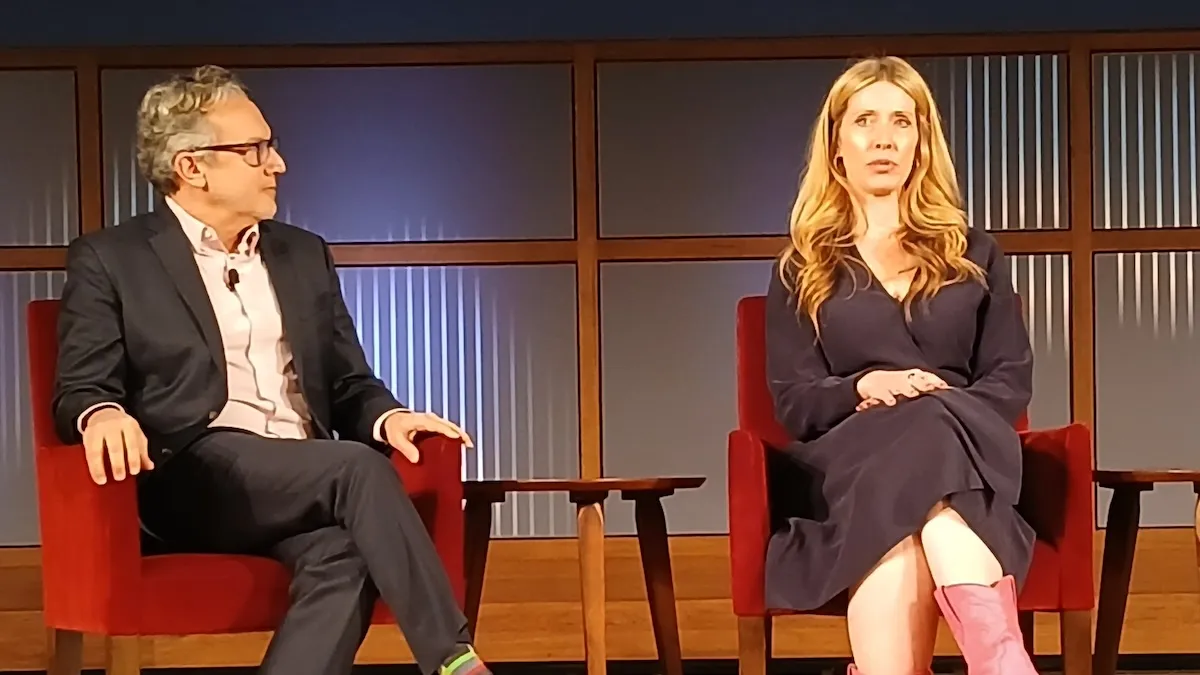
Escalating Risk of Fraud in the Title Industry
How to Navigate the Uptick in Fraudulent Activities
The title industry is facing a growing threat of fraud, driven by the decrease in transactions. With fewer transactions taking place, the percentage of potential fraud per file has significantly increased. It is crucial for industry professionals and consumers to be aware of the risks and take necessary precautions to safeguard their interests.
In this article, we will explore the two primary types of fraud that are becoming more prevalent in the title industry: escrow account manipulation and seller impersonation fraud. We will also discuss the strategies being implemented to combat fraud and the importance of collaboration among industry stakeholders.
By understanding the evolving landscape of fraud in the title industry and staying informed about the latest prevention measures, individuals can protect themselves and ensure the integrity of real estate transactions.
Escrow Account Manipulation: A Growing Concern
Escrow account manipulation is a form of fraud where fraudsters exploit the escrow accounts used to hold funds during real estate transactions. These accounts, which are meant to ensure the secure transfer of funds, can be manipulated by fraudsters for their own benefit.
By diverting funds from the escrow account, fraudsters can cause significant financial losses for both buyers and sellers involved in the transaction. This type of fraud highlights the need for enhanced security measures and diligent oversight of escrow accounts.

Increasing Prevalence of Seller Impersonation Fraud
Seller impersonation fraud has become increasingly prevalent in the title industry, particularly with the rise of online transactions. Fraudsters pose as legitimate sellers and deceive buyers into transferring funds to fraudulent accounts.
- Seller impersonation fraud can occur through email or other digital communication channels, where fraudsters mimic the identity and communication style of legitimate sellers.
- They may provide false information and instructions to buyers, leading them to transfer funds to fraudulent accounts instead of the actual seller’s account.
- This type of fraud can result in significant financial losses and can be challenging to detect, especially in the fast-paced environment of real estate transactions.
To combat seller impersonation fraud, industry professionals are implementing stronger identity verification processes and leveraging technology to detect and prevent fraudulent activities. It is crucial for buyers and sellers to exercise caution and verify the authenticity of all communication and transaction details.

Strategies for Strengthening Fraud Prevention in the Title Industry
Effective Measures to Combat Fraud
To address the rising risk of fraud, the title industry is implementing various strategies to strengthen fraud prevention measures and ensure the integrity of real estate transactions.
Enhanced identity verification processes are being adopted to verify the authenticity of individuals involved in the transaction. This includes thorough background checks and verification of identification documents.
Technology is playing a crucial role in detecting and preventing fraudulent activities. Advanced algorithms and machine learning systems are being utilized to analyze transaction patterns and identify suspicious activities. This allows for early detection and intervention to mitigate potential losses.
Education and awareness are also key components of fraud prevention. Industry professionals are educating consumers about the risks and warning signs of fraud, empowering them to make informed decisions and take necessary precautions.
Collaboration among industry stakeholders, including lenders, real estate agents, and title companies, is essential in effectively combating fraud. Sharing information and best practices can help identify emerging fraud trends and develop proactive strategies to prevent fraudulent activities.

Collaboration: A Key Strategy to Combat Fraud
In the fight against fraud, collaboration is crucial. By working together, industry stakeholders can share knowledge, insights, and best practices to stay ahead of fraudsters.
Lenders, real estate agents, and title companies must establish strong lines of communication and information sharing to identify and address potential fraud risks. This collaborative approach ensures a more robust and secure real estate ecosystem.
By staying vigilant and continuously improving fraud prevention strategies, the title industry can safeguard real estate transactions and protect the interests of buyers and sellers.
Continuous Improvement: The Key to Combating Fraud
As the risk of fraud in the title industry continues to evolve, professionals in the industry must remain vigilant and adapt to new challenges. Staying updated on the latest fraud trends and continuously improving fraud prevention strategies is crucial to maintaining the integrity of real estate transactions.
By implementing stronger security measures, leveraging technology, and fostering collaboration, the title industry can effectively combat fraud and ensure the trust and confidence of buyers and sellers.
Boost Your Career with Cameron Academy
Maximize your potential with Cameron Academy, a nationally recognized career education school. Founded by Michael Cameron, a leading expert in the career education industry, Cameron Academy offers high-quality online career courses tailored to your individual needs and goals. Experience an interactive and innovative learning environment that prepares you for success in your chosen field.
Maximize your potential and start your career journey today with Cameron Academy’s online career courses. Gain the real-world skills and knowledge you need to advance your career and achieve your goals. Sign up today and take the first step towards a brighter future.
Embark on Your Career Journey Today
Ready to take the next step in your career? Explore our wide range of career courses designed to meet the needs of early career professionals. From certification programs to pre-license courses and real estate education in specific states, we have the resources you need to succeed. Renew your passion for learning and unlock new opportunities with Cameron Academy.
Explore Our Courses