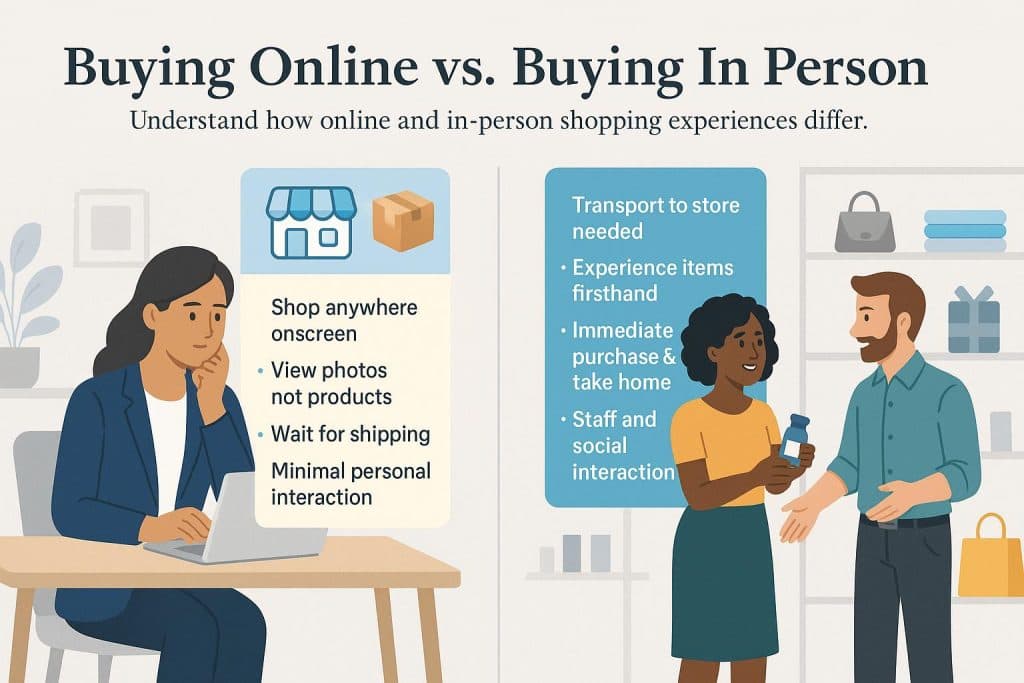
As we venture further into 2025, the landscape of shopping continues to evolve with a fascinating dynamic between online and in-store experiences. According to a recent article from Business.com, the retail sector is witnessing a significant shift in consumer preferences, with approximately 59% of consumers favoring online shopping while 41% still prefer traditional in-store purchases.
The Rise of E-Commerce
Online shopping has become a cornerstone of modern consumer behavior, driven by convenience and variety. Shoppers can browse and purchase items from anywhere at any time, a trend that has only accelerated in recent years. E-commerce platforms offer a vast selection of products, often at competitive prices, thanks to the absence of physical showroom constraints.
Key Benefits of Online Shopping
24/7 Access: Consumers can shop at their convenience without being restricted by store hours.
Personalization: AI-driven features offer tailored recommendations, enhancing the shopping experience.
The Enduring Appeal of Brick-and-Mortar Stores
Despite the rise of online shopping, physical stores remain crucial for many consumers. These locations offer a tactile experience that online platforms cannot replicate. Shoppers can see, touch, and try products before purchasing, which is particularly important for unfamiliar or high-value items.
Advantages of In-Store Shopping
Instant Gratification: Immediate product acquisition without waiting for shipping.
Customer Service: In-store staff provide personalized assistance, fostering trust and loyalty.
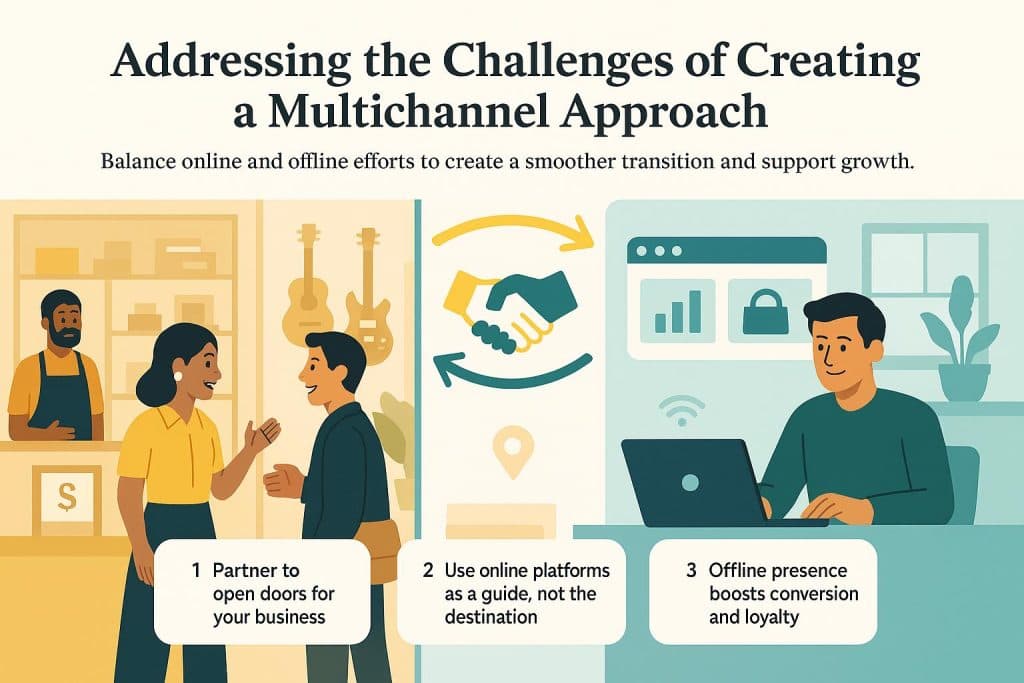
Bridging the Gap: Omnichannel Retail Strategies
Retailers are increasingly adopting omnichannel strategies to blend the best of both worlds. This approach involves integrating online and offline experiences to meet evolving consumer expectations. For instance, Research Online, Purchase Offline (ROPO) behavior is common, where customers research products online but complete purchases in-store for assurance and immediacy.
Tips for Retailers
Implement seamless inventory management across channels.
Offer hybrid fulfillment options like buy online, pick up in-store.
For more insights on adapting to these changes, you can explore the original Business.com article, which delves deeper into the evolving retail landscape and provides valuable strategies for businesses navigating this new era of shopping.
More Articles
Getting licensed or staying ahead in your career can be a journey—but it doesn’t have to be overwhelming. Grab your favorite coffee or tea, take a moment to relax, and browse through our articles. Whether you’re just starting out or renewing your expertise, we’ve got tips, insights, and advice to keep you moving forward. Here’s to your success—one sip and one step at a time!
"Mortgage applications decrease" amid rise in fixed-rate mortgages, detailed in a report by the Mortgage Bankers Association. The report also explores ARM's role, refinance and purchase applications, and increases in Federal Housing Administration loans for a comprehensive industry view.
"Exploring the potential of AI and Web3 technologies in real estate at Cameron Academy, we provide courses equipped to simplify complex transactions and streamline real estate operations. By leveraging AI, agents can handle increasing complexities, optimizing productivity for the future of real estate."
One of the major driving forces is the job market recovery in these states. As the pandemic impact gradually subsides, these states have not merely recovered the jobs lost during the crisis but have seen a substantial 5% increase in employment opportunities.
"Achieving financial freedom often requires unconventional actions, including making seemingly suboptimal portfolio decisions. At Cameron Academy, we provide courses that guide you through such bold decisions, focusing on creating reliable income and not just wealth accumulation."
Discover the "Fannie Mae’s new prefund QC requirements" and understand the importance of quality control strategies in loan lending. Navigate loan repurchase requests from Fannie Mae effectively with our varied courses at Cameron Academy. Explore the potential of third-party QC firms for prefund requirements.
One of the key characteristics that sets early education property investment apart is the prevalence of long-term leases. These leases provide security for both the tenant and the landlord, substantially reducing the risk of vacancy.