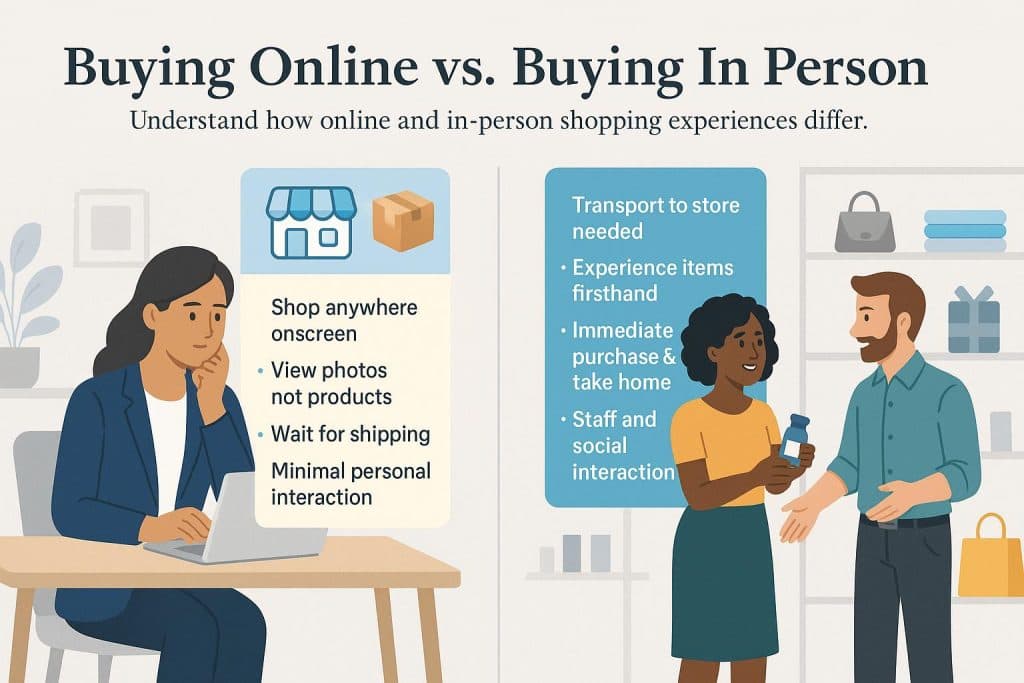
As we venture further into 2025, the landscape of shopping continues to evolve with a fascinating dynamic between online and in-store experiences. According to a recent article from Business.com, the retail sector is witnessing a significant shift in consumer preferences, with approximately 59% of consumers favoring online shopping while 41% still prefer traditional in-store purchases.
The Rise of E-Commerce
Online shopping has become a cornerstone of modern consumer behavior, driven by convenience and variety. Shoppers can browse and purchase items from anywhere at any time, a trend that has only accelerated in recent years. E-commerce platforms offer a vast selection of products, often at competitive prices, thanks to the absence of physical showroom constraints.
Key Benefits of Online Shopping
24/7 Access: Consumers can shop at their convenience without being restricted by store hours.
Personalization: AI-driven features offer tailored recommendations, enhancing the shopping experience.
The Enduring Appeal of Brick-and-Mortar Stores
Despite the rise of online shopping, physical stores remain crucial for many consumers. These locations offer a tactile experience that online platforms cannot replicate. Shoppers can see, touch, and try products before purchasing, which is particularly important for unfamiliar or high-value items.
Advantages of In-Store Shopping
Instant Gratification: Immediate product acquisition without waiting for shipping.
Customer Service: In-store staff provide personalized assistance, fostering trust and loyalty.
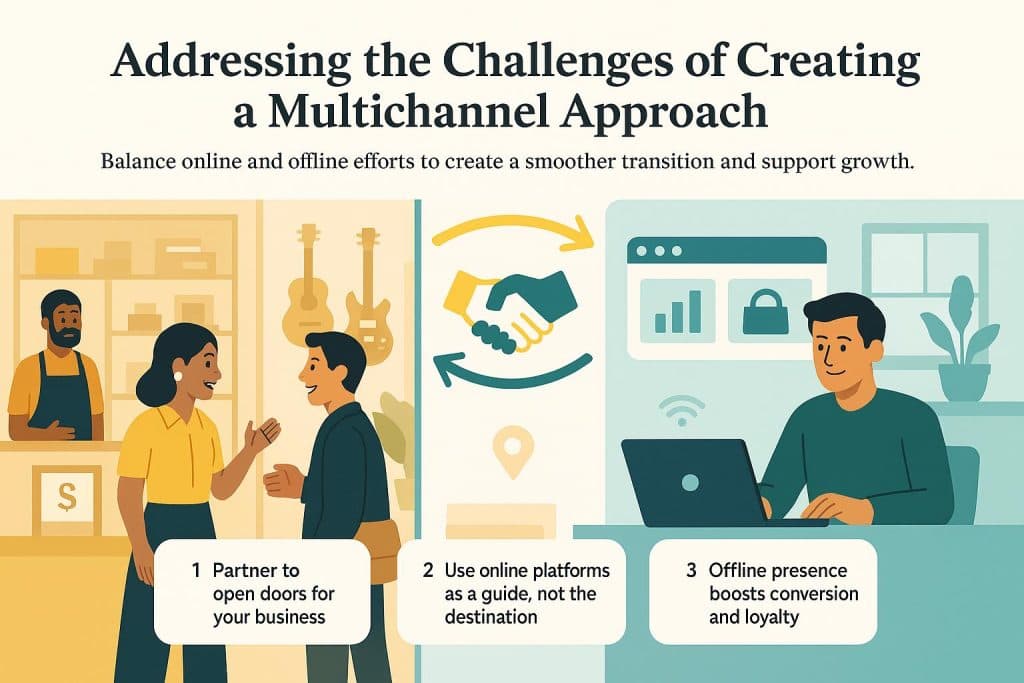
Bridging the Gap: Omnichannel Retail Strategies
Retailers are increasingly adopting omnichannel strategies to blend the best of both worlds. This approach involves integrating online and offline experiences to meet evolving consumer expectations. For instance, Research Online, Purchase Offline (ROPO) behavior is common, where customers research products online but complete purchases in-store for assurance and immediacy.
Tips for Retailers
Implement seamless inventory management across channels.
Offer hybrid fulfillment options like buy online, pick up in-store.
For more insights on adapting to these changes, you can explore the original Business.com article, which delves deeper into the evolving retail landscape and provides valuable strategies for businesses navigating this new era of shopping.
More Articles
Getting licensed or staying ahead in your career can be a journey—but it doesn’t have to be overwhelming. Grab your favorite coffee or tea, take a moment to relax, and browse through our articles. Whether you’re just starting out or renewing your expertise, we’ve got tips, insights, and advice to keep you moving forward. Here’s to your success—one sip and one step at a time!
Data from 2023 forecasts a potential "Multifamily Real Estate Decline 2024" due to rising cap rates and slowed NOI. However, resources from Cameron Academy help real estate professionals navigate "Investment Risks in Multifamily Properties" through real-time, accurate insights.
Investing in real estate can be rewarding but finding the right financing can be challenging. One popular option is the BRRRR (Buy, Rehab, Rent, Refinance, Repeat) method, which involves purchasing distressed properties, renovating them, renting them out, and then refinancing to repeat the process. Traditional banks, private money lenders, portfolio lenders, and online lending platforms are all potential sources for BRRRR loans. Another financing option to consider is the DSCR (Debt Service Coverage Ratio) loan, which assesses the property's cash flow rather than just the borrower's income. DSCR loans are commonly used in commercial real estate investments and offer advantages like better cash flow assessment and flexibility for investors. However, they also come with drawbacks such as higher interest rates and stricter qualification requirements. Choosing the right financing option depends on investment strategy, financial considerations, qualification requirements, risk profile, and expert advice. By understanding the available options and considering individual circumstances, investors can select the financing option that aligns with their goals.
In this blog excerpt, we discuss the forecast for catastrophic declines in the multifamily market by the end of 2024. Factors such as market saturation, economic uncertainty, and changing lifestyle preferences among renters contribute to this forecast. Potential risks for investors include oversupply, economic volatility, and shifts in tenant demand. Thorough research, analysis, and seeking advice from professionals are crucial for navigating the multifamily market. Being knowledgeable and making informed decisions are key to successful investments in real estate. To get started in the industry, visit CameronAcademy.com for licensing in Real Estate, Mortgage, Insurance, or Finance.
In the world of mortgages, the debate between fixed rate and adjustable rate mortgages (FRM and ARM) rages on. FRMs provide consistency and protection against rising rates, while ARMs offer lower initial rates and flexibility. When choosing between the two, factors such as financial goals, economic conditions, time horizon, and risk tolerance must be considered. Ultimately, homeowners must weigh the pros and cons and seek professional advice before making a decision. After all, the right mortgage choice can have a lasting impact on one's financial well-being.
Navigating the complexities of the current housing market can be a daunting task for buyers and sellers alike. Affordability concerns, limited inventory, credit tightening, rising interest rates, and firming home prices are all factors contributing to the challenges in today's market. However, by conducting thorough research, partnering with knowledgeable real estate agents, planning for your budget and mortgage, seeking out alternative financing options, and being patient and flexible, you can overcome these obstacles. With perseverance, informed decision-making, and adaptability, success in real estate transactions can be achieved in any market environment.