Exploring the Benefits and Risks of AI in Oncology

In the rapidly evolving landscape of healthcare, the integration of artificial intelligence (AI) into oncology is a topic of significant interest and debate. Recently, Ted A. James, MD, MHCM, FACS, a prominent figure in the field, shared his insights on this subject. As the Chief of Breast Surgical Oncology at Beth Israel Deaconess Medical Center and an Associate Professor at Harvard Medical School, Dr. James is at the forefront of exploring how AI can revolutionize oncology care.
The Promise of AI in Healthcare
The potential of AI to transform medical services is immense. From enhancing diagnostic precision to personalizing treatment options, AI is poised to play a pivotal role in the future of healthcare. In oncology, AI’s ability to analyze vast datasets can lead to more accurate prognostic indicators and improve patient outcomes. Dr. James emphasizes the importance of utilizing AI for precision medicine, particularly by integrating tumor characteristics with genetic profiles.
Challenges and Concerns
However, the journey towards widespread AI adoption in healthcare is fraught with challenges. One of the primary concerns is the risk of AI-induced biases, which can arise from the data used to train these systems. Additionally, data privacy and security are critical issues that must be addressed to ensure patient safety. Dr. James highlights the need for regulatory oversight and ethical guidelines to navigate these complexities.
Current Applications and Future Prospects
AI is already being utilized in various healthcare applications, from diagnostic assistance to operational efficiencies. For instance, AI systems can monitor patients post-discharge to detect early signs of complications. In oncology, AI shows promise in risk assessment and predictive analytics, enabling proactive patient care.
Dr. James advocates for oncologists to explore AI tools in their practice, particularly in personalized treatment and administrative processes. By identifying high-risk patients and tailoring care plans, AI can enhance patient care and streamline workflows.
Building Trust in AI
For clinicians to embrace AI, trust in its accuracy and reliability is paramount. Dr. James stresses the importance of transparency and validation studies to build confidence in AI-powered tools. Explainable AI, which clarifies how conclusions are drawn, is crucial in fostering trust among healthcare professionals.
Ethical Considerations and Accountability
The ethical implications of AI in healthcare cannot be overlooked. Cybersecurity breaches, the potential for AI to generate false information, and the risk of dehumanizing patient care are pressing concerns. Dr. James underscores the importance of shared accountability among technology developers, healthcare organizations, and physicians to mitigate these risks.
Conclusion
As AI continues to evolve, its integration into healthcare holds the promise of transformative change. Dr. James envisions a future where AI enables precision medicine and empowers patients to take an active role in their healthcare. However, careful implementation and collaboration among stakeholders are essential to harness AI’s full potential while safeguarding against its pitfalls.
Ted a. James, md, mhcm, facs

More Articles

Getting licensed or staying ahead in your career can be a journey—but it doesn’t have to be overwhelming. Grab your favorite coffee or tea, take a moment to relax, and browse through our articles. Whether you’re just starting out or renewing your expertise, we’ve got tips, insights, and advice to keep you moving forward. Here’s to your success—one sip and one step at a time!

Qubetics Presale Triumph and Digital Finance Innovations

As the digital finance landscape evolves, Qubetics emerges as a formidable player, captivating the crypto community with its impressive presale success.

By |October 15, 2024|Categories: Article, Cryptocurrency, Finance|Tags: , |0 Comments

Investing Like Trump: A Modern Approach to Wealth Building

In the world of high-stakes investing, few figures are as iconic as Donald Trump. Known for his real estate empire and ventures into entertainment, Trump has built a legacy of wealth that many aspire to emulate. But in today's economic climate, with interest rates soaring, how can one invest like Trump?

By |October 15, 2024|Categories: Article, Finance, Real Estate Investing|Tags: , |0 Comments

The Federal Reserve’s Rate Cut: Implications for the Housing Market

The Federal Reserve recently announced a significant interest rate cut by half a percentage point. The expectation is that mortgage rates might hover around 6.2% by year-end, with a potential decrease to 5.5% by the end of 2025.

By |October 15, 2024|Categories: Article, Housing Market, Interest Rates|Tags: |0 Comments

Kamala Harris Challenges Trump’s Business History with Small Business Tax Deduction Proposal

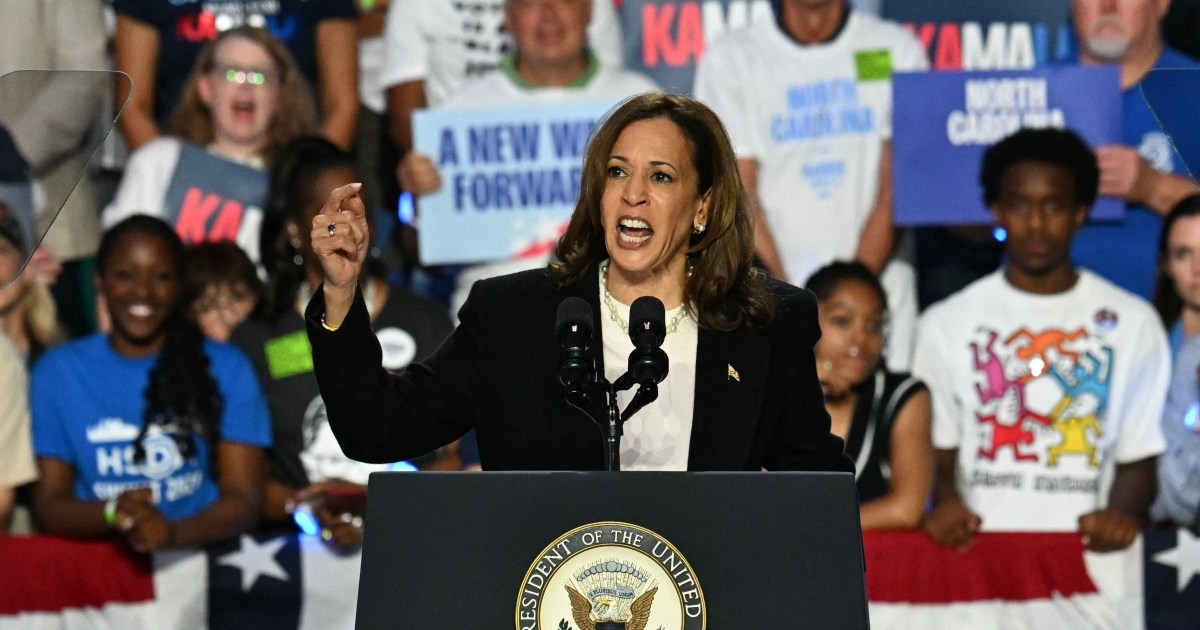
Harris unveiled her proposal for a $50,000 tax deduction aimed at small business startups. She then took a direct jab at Trump, asserting, “You know, not everybody started out with $400m on a silver platter and then filed for bankruptcy six times.”

By |October 15, 2024|Categories: Article, Business, Politics|Tags: |0 Comments

Understanding the 2008 Housing Market Crash: A Retrospective

The housing market crash of 2008 reshaped the global economy, triggered by subprime mortgages, predatory lending, and lack of financial regulation, leading to a global economic recession.

By |October 15, 2024|Categories: Article, Economics, Real Estate|Tags: , |0 Comments

Evolving Dynamics in the Housing Market: What Homebuyers Need to Know

"While the current market offers opportunities, it is also fraught with complexities. Navigating this landscape requires careful consideration and informed decision-making to ensure that both buyers and sellers can achieve their real estate goals."

By |October 15, 2024|Categories: Article, Housing Market Trends, Real Estate|Tags: , |0 Comments