Exploring the Future: AI Projects for All Levels

In a world where technology is rapidly evolving, Artificial Intelligence (AI) is at the forefront, reshaping industries and altering our everyday lives. Recently, Simplilearn published an insightful article detailing the top 30 AI project ideas for 2025, offering a comprehensive guide for enthusiasts from beginners to advanced practitioners.
Impact of AI Across Industries
AI’s transformative power is evident across multiple sectors. In healthcare, AI-driven diagnostics and personalized medicine are revolutionizing patient care. The financial industry benefits from enhanced fraud detection and risk assessment capabilities. Manufacturing sees improvements through predictive maintenance and optimized production processes, while transportation is becoming safer with autonomous vehicles and intelligent traffic systems. Education is also being personalized, making learning more accessible.
However, AI’s influence extends beyond industry-specific applications. It is reshaping the job market, demanding new skills and creating innovative opportunities. This technological shift brings with it ethical and social concerns, such as privacy and job displacement, necessitating careful management and regulation.
Beginner to Advanced AI Projects
For those eager to dive into AI, the article outlines a series of projects that cater to different skill levels. Beginners can start with projects like a Spam Email Detector or Sentiment Analysis of Product Reviews. These projects introduce fundamental AI concepts using machine learning algorithms like Naive Bayes.
Intermediate projects such as a Chatbot for Customer Service or an Image Classification System allow developers to delve deeper into natural language processing and computer vision. Meanwhile, advanced projects like an Autonomous Driving System or AI-Based Medical Diagnosis System require a sophisticated understanding of AI and machine learning algorithms.
Building a Career in AI
Embarking on a career in AI involves a blend of education, practical experience, and continuous learning. The article suggests starting with a strong foundation in mathematics and computer science, followed by engaging in practical projects and participating in competitions on platforms like GitHub. Specializing in areas like robotics or natural language processing can further enhance one’s career prospects.
For those looking to formalize their education, Simplilearn offers a Professional Certificate Program in AI and ML in collaboration with Purdue University, designed to equip learners with the necessary skills to thrive in this dynamic field.
Conclusion
Delving into AI projects is a thrilling journey of creativity and development. For those seeking to deepen their understanding and mastery of AI, Simplilearn’s Post Graduate Program in AI and Machine Learning offers a comprehensive curriculum, real-world projects, and practical learning experiences.
FAQs: Navigating the AI Landscape

What is the difference between machine learning and deep learning?

Machine learning, a subset of AI, enables computers to learn from data. Deep learning, a further specialization, uses multi-layered neural networks for more complex pattern recognition.

Can AI replace human jobs, or will it create new opportunities?

While AI can automate tasks, potentially displacing jobs, it also creates roles in development, maintenance, and oversight, emphasizing the need for skills adaptation.

How to learn AI for free?

Simplilearn’s SkillUp resources offer free learning opportunities for those seeking to enhance their AI knowledge.


More Articles

Getting licensed or staying ahead in your career can be a journey—but it doesn’t have to be overwhelming. Grab your favorite coffee or tea, take a moment to relax, and browse through our articles. Whether you’re just starting out or renewing your expertise, we’ve got tips, insights, and advice to keep you moving forward. Here’s to your success—one sip and one step at a time!

Judge Blocks Class Status in Major Commission Lawsuit, Shaking Up the Real Estate Industry

A federal judge has denied class‑certification in the high‑stakes Batton commission lawsuit, delivering a temporary win for NAR and major brokerages while leaving the door open for plaintiffs to try again. With as much as $3.6 billion in potential damages on the line and nearly 80% of the proposed class now disqualified due to conflicts with earlier settlements, the case stands at a pivotal moment. Real estate professionals nationwide — especially in Florida — should watch closely, as the ruling could shape the future of buyer‑agent compensation.

Florida Homeowners Hit Hard by Skyrocketing Insurance Rates as Lawmakers Race Toward Reform

Florida homeowners are paying nearly double the national average for insurance, with premiums now reaching $5,838 a year and denied claims topping 40 percent. Residents report tripled rates, underpaid claims, and mounting financial strain, pushing lawmakers in Tallahassee to propose caps on rate hikes, tax breaks for storm‑proof upgrades, and tighter oversight of insurers. These developments are reshaping real estate and insurance conversations across the state as professionals brace for major industry shifts.

Inside Berkshire County’s Surging 2025 Real Estate Market: Q3 Deep Dive

Berkshire County closed Q3 2025 with strong momentum as sales, dollar volume, and buyer competition all climbed year‑over‑year. Inventory showed slight improvement but remains far below demand, keeping the market tilted toward sellers. Single‑family homes and condos led the surge, while multifamily, land, and commercial sectors showed mixed performance. The region continues to stand out as one of New England’s most resilient real estate markets heading into 2026.

Florida Homeowners Are Reaching a Breaking Point as Insurance Costs Skyrocket

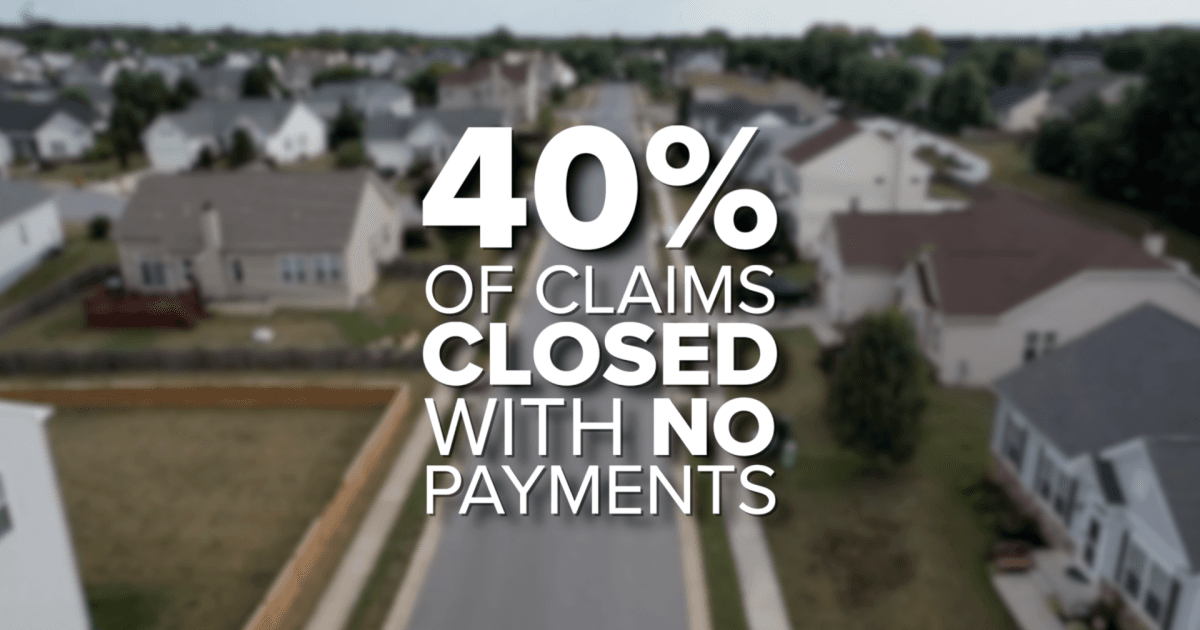
Florida homeowners now face the highest insurance burdens in the nation, with average premiums topping $5,800 per year—roughly $3,000 above the national average. As rates triple for some residents, more Floridians are skipping coverage altogether, while denied claims and slow payouts add to the frustration. With over 40 percent of claims closing with no payment and lawmakers battling over reform in Tallahassee, the crisis is reshaping budgets, homebuying decisions, and the real estate industry statewide.

How Global Investors Are Rewriting the Real Estate Playbook for 2026

Global capital is surging back into real estate—and this time, investors want more control. Colliers’ 2026 Global Investor Outlook reveals a major shift toward direct investments, joint ventures, and hands‑on strategies as money moves across North America, Europe, and the booming Asia‑Pacific markets. Data centers are now the top‑funded asset class, offices are staging a comeback, and adaptive reuse is reshaping cities worldwide. For real estate and finance professionals, the message is clear: opportunity is accelerating, and those with the right education and licensing will be at the center of the action.

Why Lower Interest Rates Still Aren’t Saving Commercial Real Estate

The Fed’s recent rate cuts should have offered relief to commercial real estate—but long-term borrowing costs haven’t budged. While short‑term rates are falling, stubborn long‑term yields, broken deal math, and a trillion‑dollar refinancing wave are keeping the market frozen. For investors and professionals across Florida and the nation, understanding this disconnect is key to navigating the opportunities and risks emerging in today’s shifting CRE landscape.