Exploring the Shifting Landscape of Real Estate in 2024
The real estate market is undergoing significant transformations as we move into 2024. According to a comprehensive report by Exploding Topics, nine key trends are shaping the industry, driven largely by a notable shift from urban centers to suburban areas.
Rising Home Prices
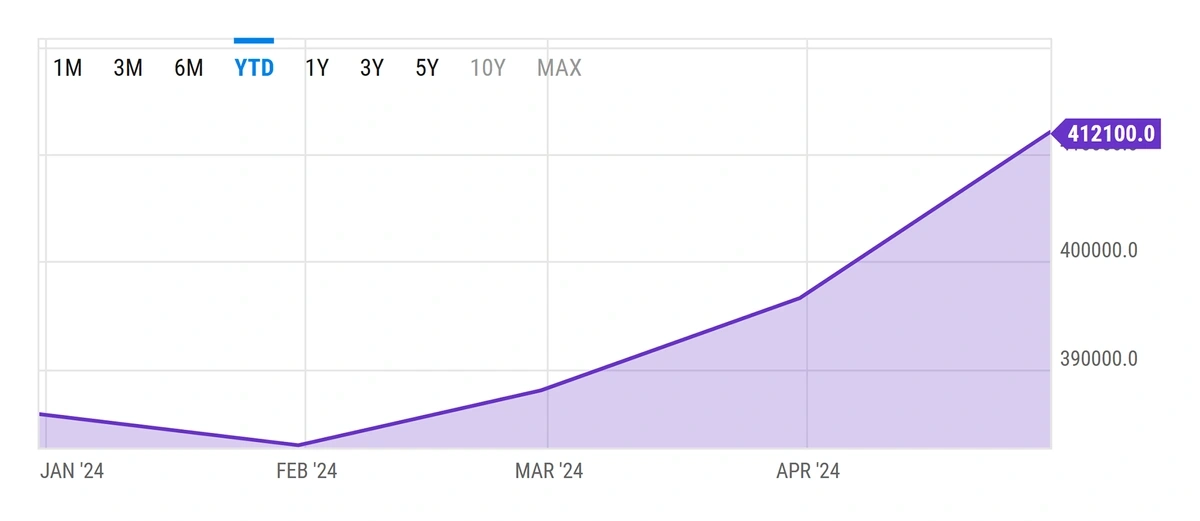
The demand for single-family homes continues to surge, leading to a 43% increase in prices over the past four years. This trend is beneficial for existing homeowners, who have seen their equity rise by 9.6% last year, adding $1.5 trillion collectively. However, first-time buyers find themselves increasingly locked out of the market due to these high prices. Despite a slight cooling, with median prices declining in the first quarter of 2024, experts forecast a continued rise over the medium term.
The Sun Belt’s Growing Allure
The Sun Belt, a region stretching from California to North Carolina, is witnessing a population boom. As Americans relocate from big cities, this area has become a preferred destination due to its lower taxes and affordable housing. According to Clarion Partners, the Sun Belt now holds about 50% of the national population, expected to rise to 55% by 2040.
Digital-First House Hunting
The pandemic accelerated the digitization of real estate processes. Virtual tours, 3D tours, and drone videos have become the norm, with online searches for “virtual staging” surpassing their pandemic peak. The National Association of Realtors highlights that 41% of buyers begin their property search online.
Suburban Migration
Americans continue to flock to the suburbs, driven by affordability and the freedom of remote work. The US Census Bureau reports a steady shift from urban centers to smaller cities and suburbs. This trend has spurred interest in “middle neighborhoods,” areas offering a blend of suburban and urban conveniences.
Single-Family Housing Shortages
The demand for single-family homes outpaces supply, with a gap of over 7 million homes since 2012. As millennials enter the homeownership phase, this shortage is exacerbated, although recent increases in housing completions offer hope for stabilization.
Multi-Generational Living
Rising costs and limited housing options have led to an increase in multi-generational living. The Pew Research Center notes that the number of multi-generational households has quadrupled since 1971.
Mortgage Rates Remain High
Despite a brief period of record-low mortgage rates in 2021, rates have since climbed to around 7% in 2024. This rise has made home buying more expensive, with the Fannie Mae Housing Forecast predicting a slight decline in rates over the coming years.
Rental Market Shifts
The rental market in major cities is experiencing a decline, with vacancies increasing. However, demand for rentals is rising in smaller cities, creating opportunities for real estate investors in these secondary markets.
Commercial Real Estate in Transition
Office vacancies have reached record highs, influenced by changing work patterns. Yet, retail and multi-family properties show promise, with effective rent for shopping centers at its highest since early 2020.
Conclusion
The real estate landscape in 2024 is marked by a continued shift towards suburban living, rising home prices, and digital innovation. While challenges persist, such as housing shortages and high mortgage rates, opportunities abound for those navigating this evolving market.
More Articles
Getting licensed or staying ahead in your career can be a journey—but it doesn’t have to be overwhelming. Grab your favorite coffee or tea, take a moment to relax, and browse through our articles. Whether you’re just starting out or renewing your expertise, we’ve got tips, insights, and advice to keep you moving forward. Here’s to your success—one sip and one step at a time!
Tokenization has surged from crypto niche to global financial disruptor as institutions like Robinhood, BlackRock, and Coinbase race to digitize real-world assets. With pro‑crypto political momentum, shifting regulations, and private companies resisting newfound transparency, this emerging wave is transforming how investments are bought, sold, and accessed. For professionals in real estate, finance, lending, and insurance, this shift signals massive opportunity—and equally massive responsibility—as the next era of asset ownership takes shape.
Florida homeowners are finally getting relief as Citizens Property Insurance announces an average 8.7% statewide rate reduction for 2026, with South Florida seeing cuts as high as 14%. Driven by recent tort reforms and a stabilizing market, these decreases signal a major turnaround for an industry once on the brink of collapse — and a potential boost for real estate activity across the state.
After years of roller‑coaster chaos, the 2026 U.S. housing market is easing into something professionals haven’t seen in a long time: balance. Inventory growth has slowed to just 10% year over year—down sharply from 2025’s surge—signaling the end of the pandemic‑era scarcity and the rise of a market driven by real‑time demand and interest rates. With seasonal patterns returning, negotiations replacing bidding wars and rates drifting toward 6%, agents, lenders and investors are finally navigating conditions that look… normal.
More than half of Gen Z investors say they entered the stock market because of social media—not textbooks, not advisors. Viral creators, AI tools, and crypto trends are reshaping how young adults learn about money, invest early, and chase financial freedom. This Fortune‑featured shift highlights a generation determined to build wealth fast, trust digital voices over traditional institutions, and redefine financial education for the future.
After years of extremes, the U.S. housing market is shifting into a more balanced, predictable phase. Inventory growth has cooled from last year’s surge, seasonality is returning, and pricing is becoming increasingly rate‑sensitive. With mortgage rates hovering near 6% and policy changes reshaping investor participation, 2026 is emerging as a negotiation‑driven market where skilled agents, lenders, builders, and investors have a renewed advantage. This new landscape rewards strategy, education, and real‑time demand awareness—making it an ideal moment for professionals to refine their approach and capitalize on the market’s normalization.
A sudden policy shift at the start of 2026 is already pushing mortgage rates lower, dipping them under 6% for the first time in months. New projections suggest the government-sponsored enterprises’ $200 billion in mortgage‑backed securities purchases could accelerate rate declines throughout the year, boosting affordability, home sales, and overall market activity for buyers, sellers, and real estate professionals alike.

 Rising Home Prices
The demand for single-family homes continues to surge, leading to a 43% increase in prices over the past four years. This trend is beneficial for existing homeowners, who have seen their equity rise by 9.6% last year, adding $1.5 trillion collectively. However, first-time buyers find themselves increasingly locked out of the market due to these high prices. Despite a slight cooling, with median prices declining in the first quarter of 2024, experts forecast a continued rise over the medium term.
The Sun Belt’s Growing Allure
The Sun Belt, a region stretching from California to North Carolina, is witnessing a population boom. As Americans relocate from big cities, this area has become a preferred destination due to its lower taxes and affordable housing. According to
Rising Home Prices
The demand for single-family homes continues to surge, leading to a 43% increase in prices over the past four years. This trend is beneficial for existing homeowners, who have seen their equity rise by 9.6% last year, adding $1.5 trillion collectively. However, first-time buyers find themselves increasingly locked out of the market due to these high prices. Despite a slight cooling, with median prices declining in the first quarter of 2024, experts forecast a continued rise over the medium term.
The Sun Belt’s Growing Allure
The Sun Belt, a region stretching from California to North Carolina, is witnessing a population boom. As Americans relocate from big cities, this area has become a preferred destination due to its lower taxes and affordable housing. According to 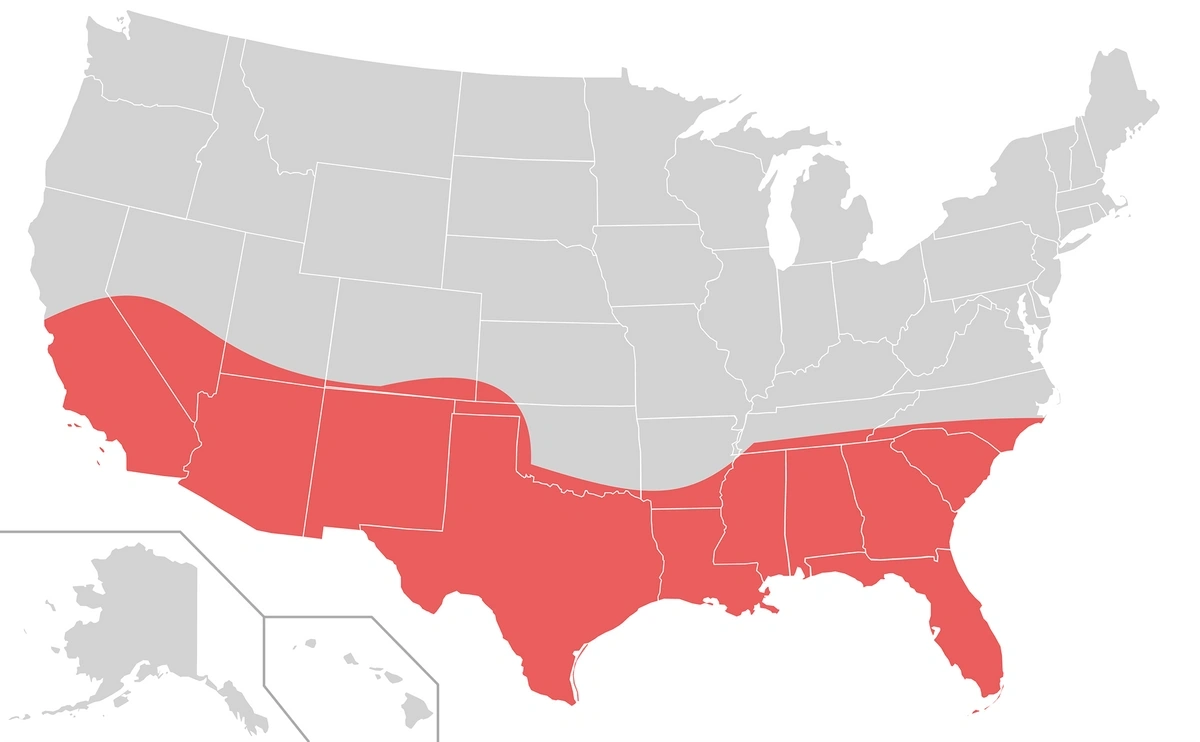 Digital-First House Hunting
The pandemic accelerated the digitization of real estate processes. Virtual tours, 3D tours, and drone videos have become the norm, with online searches for “virtual staging” surpassing their pandemic peak. The
Digital-First House Hunting
The pandemic accelerated the digitization of real estate processes. Virtual tours, 3D tours, and drone videos have become the norm, with online searches for “virtual staging” surpassing their pandemic peak. The 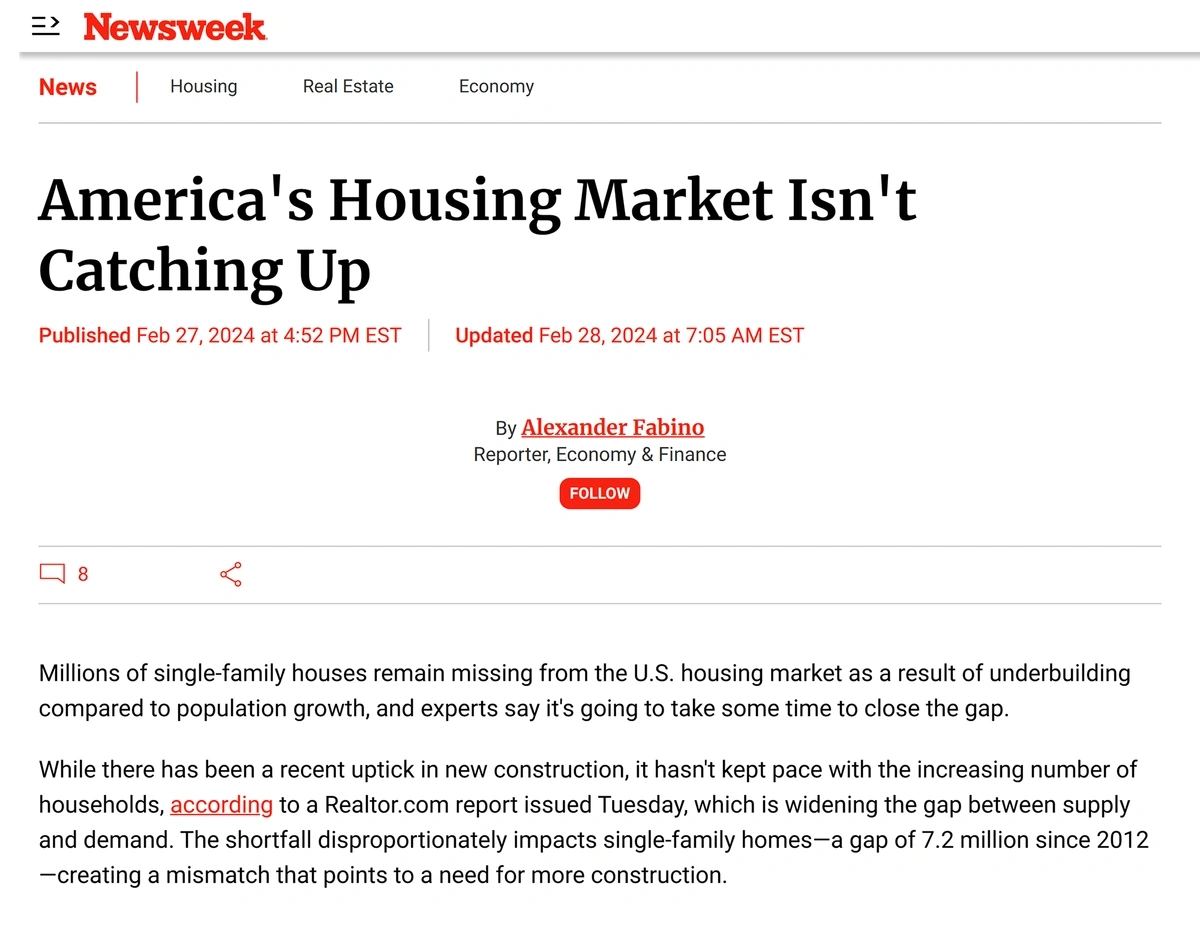 Multi-Generational Living
Rising costs and limited housing options have led to an increase in multi-generational living. The
Multi-Generational Living
Rising costs and limited housing options have led to an increase in multi-generational living. The 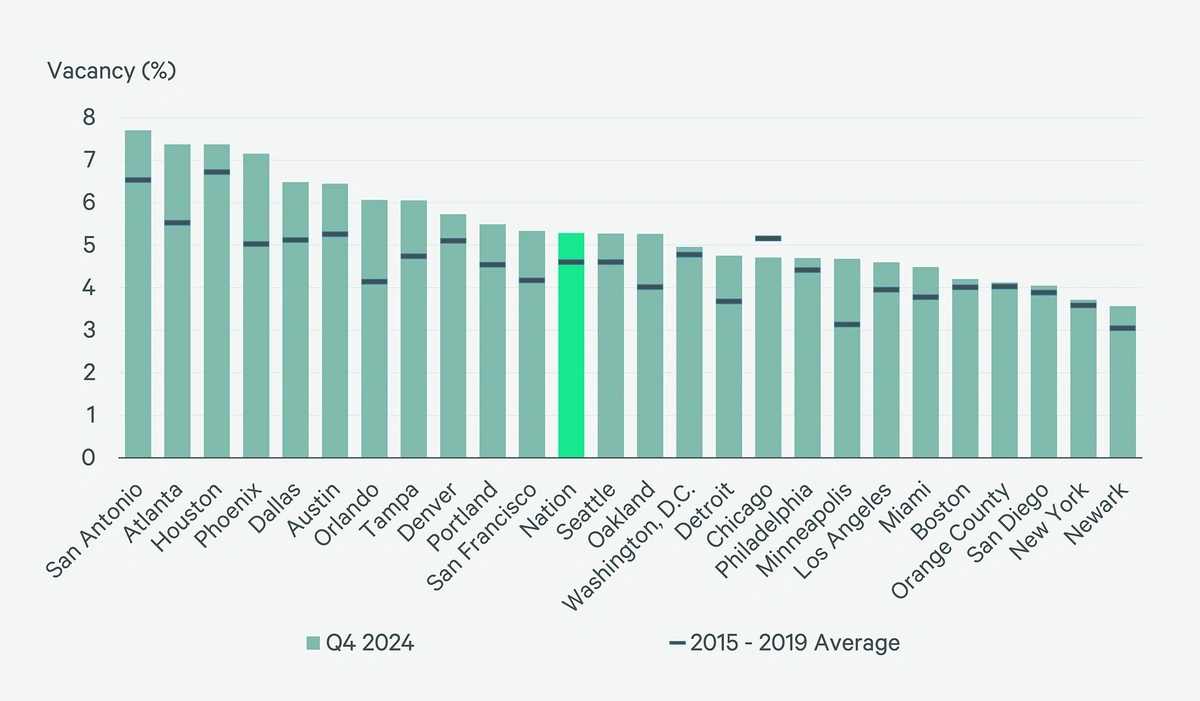 Conclusion
The real estate landscape in 2024 is marked by a continued shift towards suburban living, rising home prices, and digital innovation. While challenges persist, such as housing shortages and high mortgage rates, opportunities abound for those navigating this evolving market.
Conclusion
The real estate landscape in 2024 is marked by a continued shift towards suburban living, rising home prices, and digital innovation. While challenges persist, such as housing shortages and high mortgage rates, opportunities abound for those navigating this evolving market.












