Fed Survey Signals Only Two More Rate Cuts Ahead — Even Under Trump’s Next Fed Chair
In a financial climate full of uncertainty and political change, a new CNBC Fed Survey delivers a remarkably steady prediction: only two more interest rate cuts are expected this year — with none forecasted for 2027.
This outlook stays consistent regardless of who President Donald Trump selects as the next Federal Reserve chair. Even if he chooses someone aligned with his push for extremely low rates, economists overwhelmingly believe the Fed won’t pursue cuts down to the president’s desired 1% range — which would effectively mean negative real rates.
Source spotlight: Insight provided by CNBC’s Fed Survey, one of the most trusted and influential economic surveys in the U.S.
Why Markets Expect Rates to Stay Higher
Economic growth remains too strong for aggressive cuts. Forecasts put GDP at 2.4% this year and 2.2% next year — solidly above the Fed’s typical expectations. Unemployment is projected to hover around 4.5%.
Inflation looks steady as well. CPI is expected to end 2026 at 2.7%, easing slightly to 2.5% the following year — aligning closely with the Fed’s preferred zone.
Meanwhile, recession fears have cooled significantly. Last year, recession odds sat at 53%. Now they’re down to just 23%, thanks to a strong labor market and resilient corporate earnings.
Tariffs: Mostly Behind Us… but Still Dragging
Although Trump’s tariffs continue to spark debate, 58% of surveyed experts believe the worst of the economic hit is already behind us. Still, tariffs are expected to keep inflation about 0.3% higher and pressure profit margins in sectors like retail.
But there’s optimism: AI-driven investment and new tax incentives could give businesses the boost they need. More than two-thirds of respondents expect stronger business investment in 2026 than in 2025.
The Productivity Boom Changing Everything
Economist Allen Sinai describes the current productivity trend as “a 1990s‑like picture,” driven by early-stage AI adoption. Higher productivity is supporting stronger earnings, stable inflation, and a durable labor market.
Expert insight: “A sustained and sustainable productivity boom is driving a surprisingly strong and solid expansion,” says Sinai of Decision Economics.
Risks Still Linger — Especially Political Ones
Survey respondents cite political uncertainty surrounding Trump administration policies as the top risk. Other concerns include:
Potential AI-driven market bubbles
Threats to Federal Reserve independence
High inflation flare-ups
Renewed tariff waves
Geopolitical instability
As Diane Swonk of KPMG warns, “Policy uncertainty acts as a tax on the economy. It causes paralysis.”
Who Will Be the Next Fed Chair?
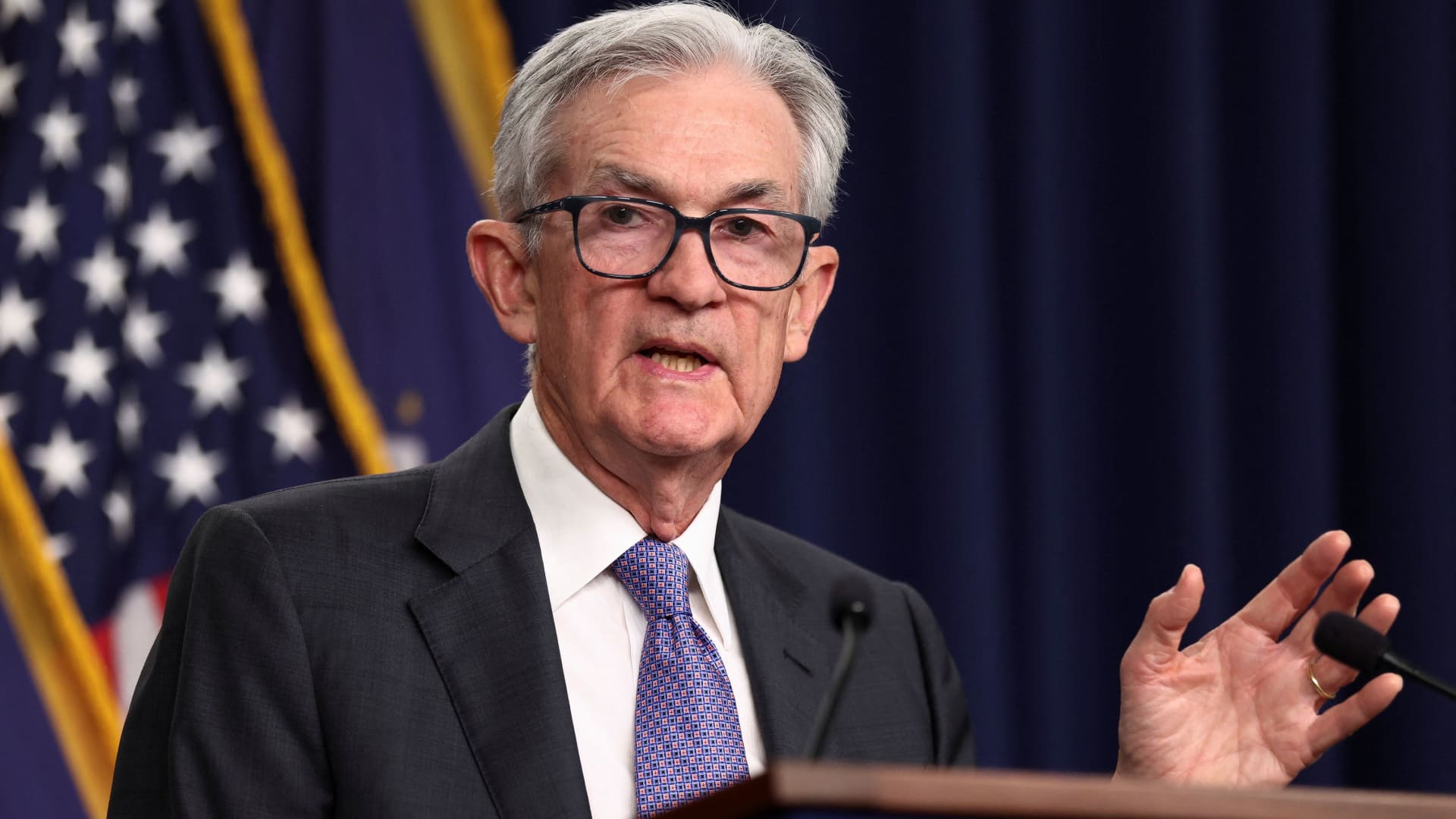
Markets currently favor Rick Rieder, but 50% of survey respondents expect Trump to choose former Fed Governor Kevin Warsh instead. Warsh is considered somewhat more dovish than Jerome Powell, yet still likely committed to maintaining Fed independence.
Many economists also believe the Federal Open Market Committee will resist extreme policy pushes from any incoming chair — reinforcing confidence in future stability.
What This Means for Real Estate, Mortgage, and Finance Professionals
A rate environment settling near 3% through 2027 could create a stable foundation for homebuyers, investors, and business owners — particularly in booming states like Florida.
For anyone planning to enter or advance in real estate, mortgage, insurance, or other professional licensed industries, staying educated is critical. Cameron Academy continues to be a trusted leader in Florida and beyond, helping new and seasoned professionals stay licensed, competitive, and informed.
As the economy evolves, your knowledge becomes your greatest advantage.
More Articles
Getting licensed or staying ahead in your career can be a journey—but it doesn’t have to be overwhelming. Grab your favorite coffee or tea, take a moment to relax, and browse through our articles. Whether you’re just starting out or renewing your expertise, we’ve got tips, insights, and advice to keep you moving forward. Here’s to your success—one sip and one step at a time!
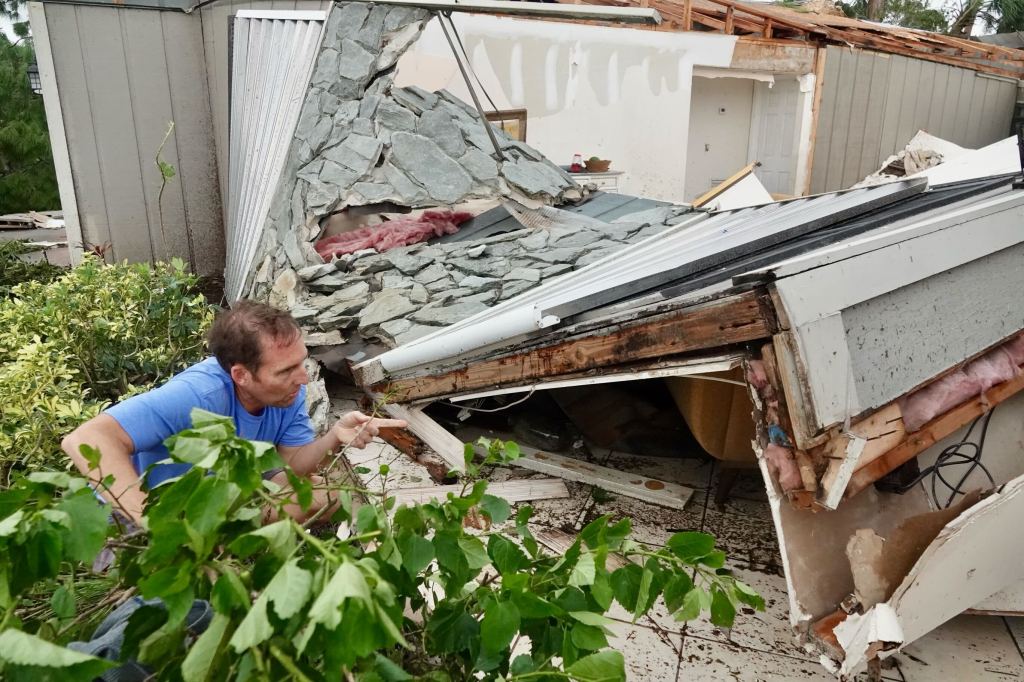
Florida now leads the nation in property insurance costs, with many homeowners paying more than $10,000 a year for shrinking coverage and higher deductibles. Despite nearly half of hurricane‑related claims ending with no payout and appeals failing over 90% of the time, state leaders say reforms “need more time to work.” With key relief bills stalled and real estate professionals feeling the shockwaves, experts warn that legislative inaction is deepening a crisis that threatens homeownership and the state’s economic stability.
Banks are finally calling in billions tied to troubled commercial real estate loans, pushing delinquency rates to historic highs and ending years of “extend and pretend.” With more than 12% of office loans now delinquent and $875 billion in commercial debt maturing in 2026, regional banks and property owners are facing mounting pressure. As valuations drop and refinancing becomes harder, experts warn that tighter lending standards and broader economic ripple effects are on the horizon—making strategic preparation essential for today’s real estate and finance professionals.
Florida policyholders are getting rare good news: the Florida Insurance Guaranty Association is ending its 1% emergency insurance assessment on October 1—two years ahead of schedule. The decision follows a calmer hurricane season, fewer insurer insolvencies, and growing market stability. The early termination is expected to save Floridians up to $650 million, with the average homeowner seeing about $31 in annual savings. This marks another milestone in the state’s insurance market recovery after major legislative reforms in 2022 and 2023.
The real estate industry has officially moved past its AI honeymoon phase. What began as a fun, optional tool has quietly become the backbone of how agents create content, communicate with clients, and market properties. But with that shift comes rising concern about authenticity, legal risks, and whether consumers will start questioning what they’re really paying agents for. As AI blends into everything from listing descriptions to client advice, professionals now face a new challenge: proving the human value behind the technology.
After years of volatility, industry analysts say commercial real estate may finally be on the verge of a major comeback. Investment activity is rising, leasing demand is strengthening, and key cities like Manhattan are leading a broader national recovery. With vacancy rates expected to drop and high‑quality buildings outperforming the rest, 2026 is shaping up to be the turning point investors and professionals have been waiting for.
AM Best warns that the property and casualty insurance market is heading into a more challenging 2026 as premium growth slows, inflation drives up claims costs, and combined ratios rise. Despite a strong 2025, moderating rates, higher repair and construction expenses, and ongoing reserve deficiencies are pressuring profitability. While commercial lines and personal lines both feel the strain, the E&S market continues to expand as traditional carriers pull back. This shifting landscape highlights the need for insurance professionals to stay sharp, informed, and adaptable.