Fed Survey Signals Only Two More Rate Cuts Ahead — Even Under Trump’s Next Fed Chair
In a financial climate full of uncertainty and political change, a new CNBC Fed Survey delivers a remarkably steady prediction: only two more interest rate cuts are expected this year — with none forecasted for 2027.
This outlook stays consistent regardless of who President Donald Trump selects as the next Federal Reserve chair. Even if he chooses someone aligned with his push for extremely low rates, economists overwhelmingly believe the Fed won’t pursue cuts down to the president’s desired 1% range — which would effectively mean negative real rates.
Source spotlight: Insight provided by CNBC’s Fed Survey, one of the most trusted and influential economic surveys in the U.S.
Why Markets Expect Rates to Stay Higher
Economic growth remains too strong for aggressive cuts. Forecasts put GDP at 2.4% this year and 2.2% next year — solidly above the Fed’s typical expectations. Unemployment is projected to hover around 4.5%.
Inflation looks steady as well. CPI is expected to end 2026 at 2.7%, easing slightly to 2.5% the following year — aligning closely with the Fed’s preferred zone.
Meanwhile, recession fears have cooled significantly. Last year, recession odds sat at 53%. Now they’re down to just 23%, thanks to a strong labor market and resilient corporate earnings.
Tariffs: Mostly Behind Us… but Still Dragging
Although Trump’s tariffs continue to spark debate, 58% of surveyed experts believe the worst of the economic hit is already behind us. Still, tariffs are expected to keep inflation about 0.3% higher and pressure profit margins in sectors like retail.
But there’s optimism: AI-driven investment and new tax incentives could give businesses the boost they need. More than two-thirds of respondents expect stronger business investment in 2026 than in 2025.
The Productivity Boom Changing Everything
Economist Allen Sinai describes the current productivity trend as “a 1990s‑like picture,” driven by early-stage AI adoption. Higher productivity is supporting stronger earnings, stable inflation, and a durable labor market.
Expert insight: “A sustained and sustainable productivity boom is driving a surprisingly strong and solid expansion,” says Sinai of Decision Economics.
Risks Still Linger — Especially Political Ones
Survey respondents cite political uncertainty surrounding Trump administration policies as the top risk. Other concerns include:
Potential AI-driven market bubbles
Threats to Federal Reserve independence
High inflation flare-ups
Renewed tariff waves
Geopolitical instability
As Diane Swonk of KPMG warns, “Policy uncertainty acts as a tax on the economy. It causes paralysis.”
Who Will Be the Next Fed Chair?
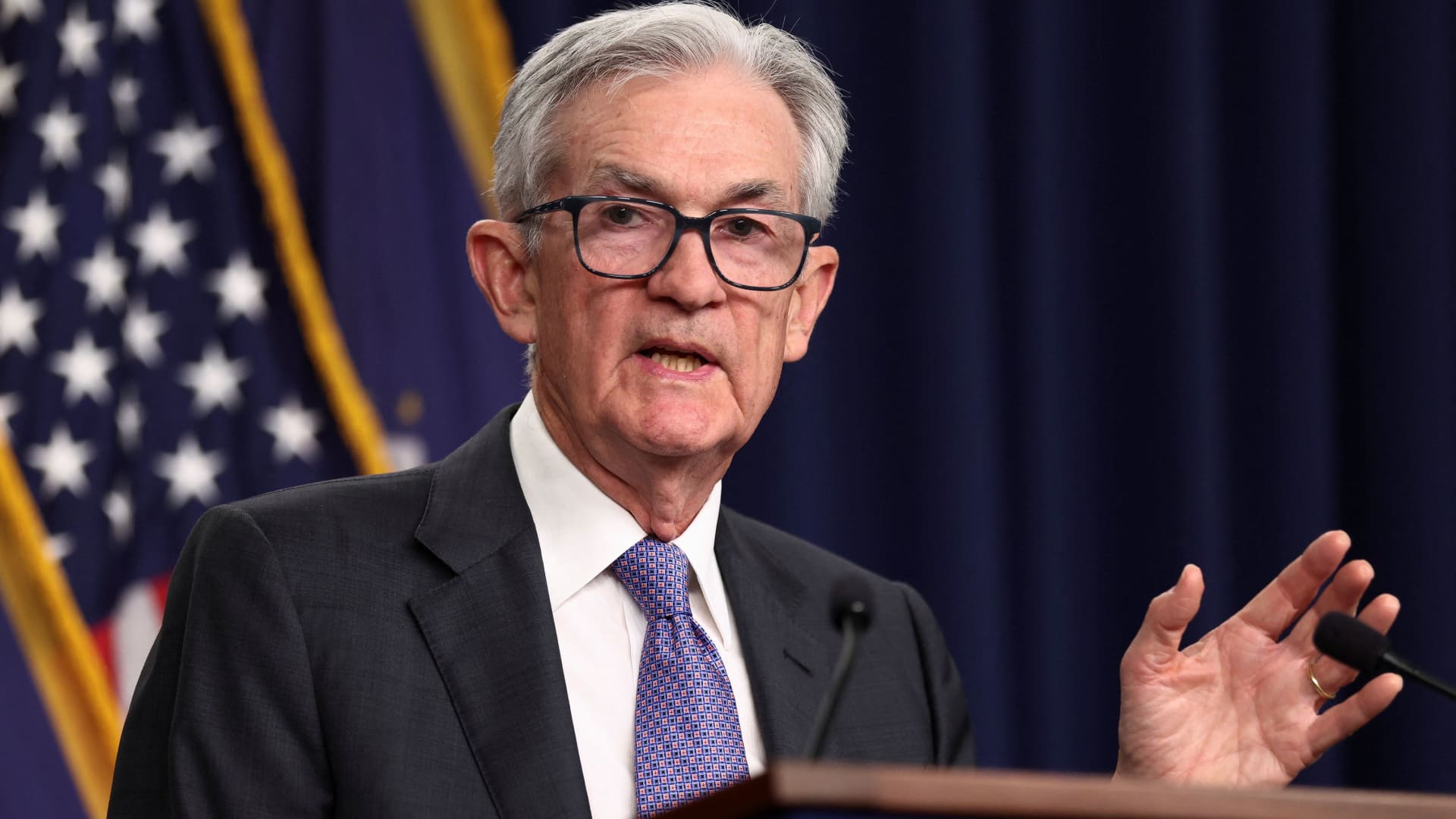
Markets currently favor Rick Rieder, but 50% of survey respondents expect Trump to choose former Fed Governor Kevin Warsh instead. Warsh is considered somewhat more dovish than Jerome Powell, yet still likely committed to maintaining Fed independence.
Many economists also believe the Federal Open Market Committee will resist extreme policy pushes from any incoming chair — reinforcing confidence in future stability.
What This Means for Real Estate, Mortgage, and Finance Professionals
A rate environment settling near 3% through 2027 could create a stable foundation for homebuyers, investors, and business owners — particularly in booming states like Florida.
For anyone planning to enter or advance in real estate, mortgage, insurance, or other professional licensed industries, staying educated is critical. Cameron Academy continues to be a trusted leader in Florida and beyond, helping new and seasoned professionals stay licensed, competitive, and informed.
As the economy evolves, your knowledge becomes your greatest advantage.
More Articles
Getting licensed or staying ahead in your career can be a journey—but it doesn’t have to be overwhelming. Grab your favorite coffee or tea, take a moment to relax, and browse through our articles. Whether you’re just starting out or renewing your expertise, we’ve got tips, insights, and advice to keep you moving forward. Here’s to your success—one sip and one step at a time!
A new national survey shows that while most real estate agents now use AI for everyday tasks like writing listing descriptions and social posts, many remain uneasy trusting the technology with higher‑stakes responsibilities. Agents report major time savings and better communication thanks to AI, but lingering concerns about accuracy, compliance and data interpretation reveal a growing skills gap. The industry’s next big need: stronger AI tools, clearer standards and hands‑on training — a gap education providers like Cameron Academy are poised to fill.
Florida homeowners and real estate professionals are being crushed by skyrocketing insurance premiums, shrinking coverage, and a claims system stacked against consumers. While residents face the highest insurance costs in the nation, meaningful reform bills are being ignored in Tallahassee, leaving families, businesses, and the entire real estate market exposed.
Artificial intelligence is exposing the real estate industry's biggest weakness: fragmented, inconsistent data scattered across disconnected systems. Unlike finance and e‑commerce, real estate never built a unified digital foundation—and now AI can’t function without one. As companies scramble to standardize information, organizations like OSCRE are pushing shared data models that could transform everything from leasing to property management. The result may be the industry’s most collaborative era yet, where clean, interoperable data becomes the key to unlocking AI’s full power.
Off‑market networks, rising small‑investor buying, regulatory shifts, and intensifying portal competition are reshaping how homes are found and sold. With inventory tight and traditional listings declining, agents who understand investor behavior, private deal flow, and evolving rules are gaining a major edge in today’s fast‑changing housing landscape.
Despite state leaders celebrating stabilization, Florida homeowners continue to face some of the highest insurance premiums in the country. Local experts say rates have stopped skyrocketing but have settled at levels that feel permanently elevated—especially for older or coastal homes. With insurers still avoiding high‑risk areas and demanding costly home upgrades, many Floridians are questioning whether this expensive reality is here to stay.
California is pushing a landmark proposal that would force insurers to offer coverage to homeowners who meet state‑approved wildfire‑mitigation standards. The new SB 1076, known as the Insurance Coverage for Fire‑Safe Homes Act, aims to stabilize the state’s distressed insurance market by guaranteeing coverage for fire‑hardened homes starting in 2028—backed by strict penalties for insurers who refuse. As supporters rally and critics warn of market strain, the bill could reshape real estate, insurance, and lending practices across wildfire‑prone regions.