Federal Climate Funding Gets Pulled — And Billions in Real Estate Risk Suddenly Spike
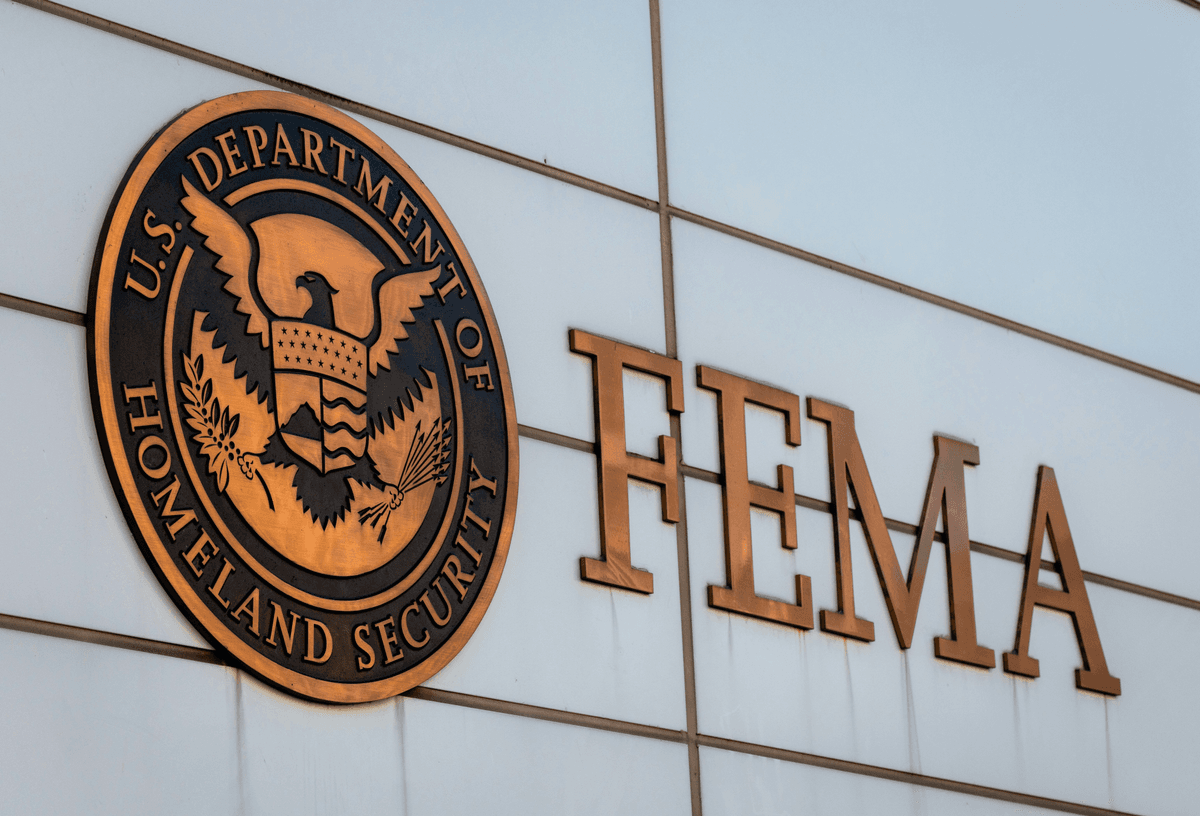
Real estate investors across the U.S. are waking up to a financial shockwave: The federal government has abruptly halted a major FEMA resiliency grant program, creating billions of dollars in unprotected real estate exposure just as extreme weather events intensify nationwide.
For years, the Building Resilient Infrastructure and Communities (BRIC) program helped cities fortify themselves against flooding, wildfires, earthquakes and climate-related threats. But with the program now canceled and nearly a billion dollars in unspent funding being reclaimed, thousands of properties — and the communities surrounding them — are left scrambling.
A Sudden Funding Freeze That Caught Cities Off Guard
“Dozens and dozens of communities… suddenly in a lurch with the gap,” said former FEMA coordinator Victoria Salinas.
Since 2018, BRIC grants covered between 75% and 90% of resiliency project costs. Local governments relied on this support to modernize infrastructure and protect neighborhoods. Now, many are facing half-finished projects — and drastically higher out-of-pocket expenses.
Twenty states have already sued to reverse the shutdown, but for the moment, the burden shifts to local municipalities — and ultimately, to commercial property owners.
Commercial Real Estate Faces Mounting Pressure
NASA reports that severe weather events have doubled since 2024 compared to previous decades. Insurance premiums are rising fast, with projections of an 80% increase by 2030.
Without federal mitigation support, insurance carriers may restrict coverage or exit high-risk markets altogether.
“When exposure increases, there’s volatility… Some underwriters might pull out completely,” said Danielle Lombardo of Howden U.S.
Areas like Florida feel this pressure intensely. Landlords have already endured a 10% year-over-year rise in insurance costs per apartment from 2017 to 2023.
Cities Left Searching for Financial Lifelines
New York has over $224 million in open BRIC projects, plus seven awarded projects now at risk. Its $228.8 million Seaport Coastal Resilience Project — designed to protect 91 buildings — is now uncertain, leaving entire communities vulnerable.
In High Point, North Carolina, an aging sewer system leaks tens of thousands of gallons of wastewater during storms. The city spent millions preparing its BRIC application — and now must start over.
“It’s made us get back to the drawing board,” said Rachel Collins of Business High Point, “but… think on a broader scale of collaboration.”
Creative Financing: Cities Explore New Models
Communities nationwide are experimenting with new funding vehicles such as:
State-issued environmental bonds
Braided funding models combining grants, philanthropy and city capital
Public-private partnerships to distribute resiliency costs
These approaches show promise — but they’re slower, more complex and require tight coordination.
Why This Matters for Real Estate Professionals
Every dollar invested in resilience saves $13 in post-disaster recovery, according to the U.S. Chamber of Commerce. Without federal funding, the responsibility shifts directly to investors, developers and property professionals to understand and manage climate risk.
For those working in real estate, mortgage, insurance or finance, climate literacy is no longer optional — it’s a competitive advantage.
Preparing Professionals for a Changing Market
Cameron Academy equips real estate and licensed professionals with the knowledge needed to navigate today’s rapidly evolving climate and insurance challenges.
Whether you’re starting your career or expanding your credentials, Cameron Academy provides industry-leading education across real estate, mortgage, insurance and other fields — helping you stay informed, adaptable and competitive.
Federal dollars may be disappearing — but the urgency to protect communities, safeguard properties and elevate professional preparedness has never been more critical.
More Articles
Getting licensed or staying ahead in your career can be a journey—but it doesn’t have to be overwhelming. Grab your favorite coffee or tea, take a moment to relax, and browse through our articles. Whether you’re just starting out or renewing your expertise, we’ve got tips, insights, and advice to keep you moving forward. Here’s to your success—one sip and one step at a time!
The title and real estate industries are entering their most dramatic compliance overhaul in decades. FinCEN’s new anti‑money‑laundering rule now applies to every state, enforces a first‑dollar reporting requirement, and places full responsibility on settlement agents. With the rule already in effect and mandatory reporting beginning March 1, 2026, professionals face urgent operational changes involving software, training, and entity‑buyer disclosures. Combined with state‑level rate shifts and heightened scrutiny of attorney opinion letters, 2025 marks a turning point that demands stronger compliance literacy across the entire real estate and finance ecosystem.
Retirement planning went through major changes in 2025, from new SECURE Act updates to shifting investment behaviors. As we move into 2026, seven key trends are reshaping how Americans save and build long‑term wealth. These shifts matter not only for everyday investors but also for professionals across real estate, finance, mortgage, insurance, and other licensed fields. Understanding these developments can help you strengthen your own financial strategy while staying competitive in your career.
Florida’s housing market is cooling faster than any other state, and soaring insurance premiums are the primary force driving buyers away. With cancellation rates in major metros topping 20%, steep price drops across Southwest Florida, rising HOA and condo fees, and thousands of homes added to new flood zones, many buyers are discovering that insurance—not the mortgage—is what kills the deal. As Citizens shrinks and new legislation raises coverage requirements, professionals in real estate, mortgage, and insurance must adapt quickly to a market where affordability hinges on risk, regulation, and rising premiums.
Commercial real estate is entering 2026 with renewed optimism as pricing floors, revitalized capital markets, and improved market visibility signal a shift away from the volatility of 2025. Analysts from Deloitte, Colliers, Cushman & Wakefield, and CoStar highlight firmer fundamentals, rising deal flow, and increased lender participation. Key sectors such as office, industrial, retail, multifamily, and data centers are showing distinct recovery patterns, positioning industry professionals and students for new opportunities in the year ahead.
Florida’s property insurance market is finally stabilizing after years of storms, lawsuits, and rising rates — yet many homeowners are still seeing higher bills. The reason isn’t the rates themselves but soaring replacement values driven by inflation in labor and building materials. Even as insurers lower rates, the cost to rebuild a home continues to rise, making up roughly 75% of recent premium increases. With new insurers entering the market and reforms taking effect, homeowners now have more options to shop, recalculate coverage, and control their costs.
The 2026 job market is shifting fast, and the biggest winners will be professionals who can prove they’re continuously learning. With more than 90% of employers now preferring candidates with microcredentials, short targeted certificates are becoming the new career currency. From AI and data skills to modern communication and adaptability, microcredentials are helping workers stand out in a competitive landscape — especially as industries like real estate, mortgage, insurance, and finance demand ongoing upskilling.