Federal Climate Funding Gets Pulled — And Billions in Real Estate Risk Suddenly Spike
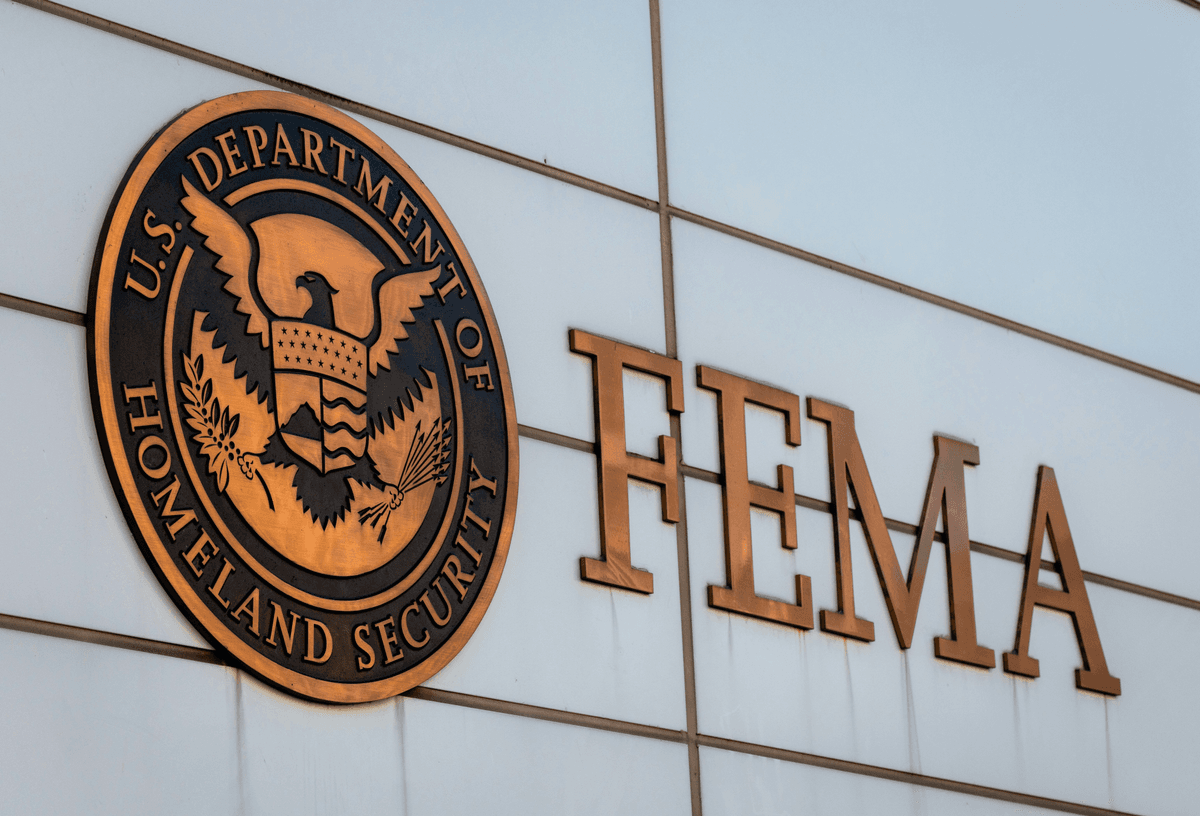
Real estate investors across the U.S. are waking up to a financial shockwave: The federal government has abruptly halted a major FEMA resiliency grant program, creating billions of dollars in unprotected real estate exposure just as extreme weather events intensify nationwide.
For years, the Building Resilient Infrastructure and Communities (BRIC) program helped cities fortify themselves against flooding, wildfires, earthquakes and climate-related threats. But with the program now canceled and nearly a billion dollars in unspent funding being reclaimed, thousands of properties — and the communities surrounding them — are left scrambling.
A Sudden Funding Freeze That Caught Cities Off Guard
“Dozens and dozens of communities… suddenly in a lurch with the gap,” said former FEMA coordinator Victoria Salinas.
Since 2018, BRIC grants covered between 75% and 90% of resiliency project costs. Local governments relied on this support to modernize infrastructure and protect neighborhoods. Now, many are facing half-finished projects — and drastically higher out-of-pocket expenses.
Twenty states have already sued to reverse the shutdown, but for the moment, the burden shifts to local municipalities — and ultimately, to commercial property owners.
Commercial Real Estate Faces Mounting Pressure
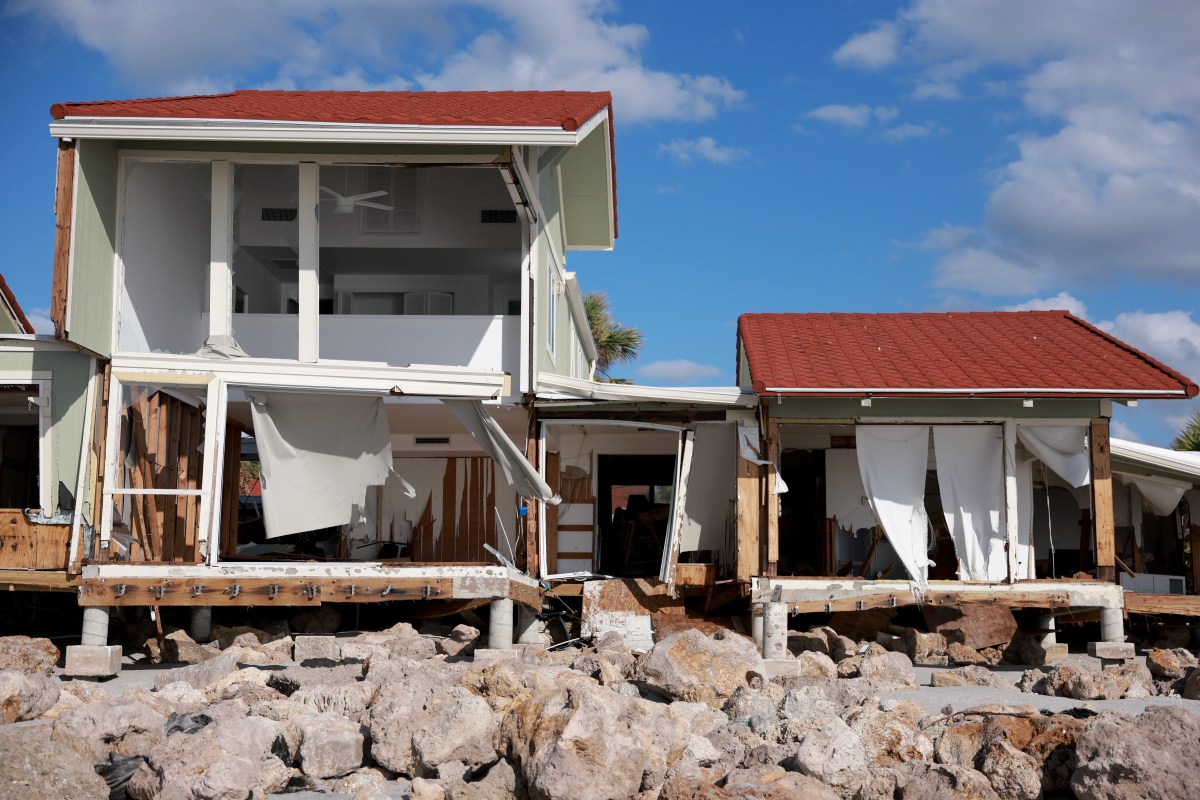
NASA reports that severe weather events have doubled since 2024 compared to previous decades. Insurance premiums are rising fast, with projections of an 80% increase by 2030.
Without federal mitigation support, insurance carriers may restrict coverage or exit high-risk markets altogether.
“When exposure increases, there’s volatility… Some underwriters might pull out completely,” said Danielle Lombardo of Howden U.S.
Areas like Florida feel this pressure intensely. Landlords have already endured a 10% year-over-year rise in insurance costs per apartment from 2017 to 2023.
Cities Left Searching for Financial Lifelines
New York has over $224 million in open BRIC projects, plus seven awarded projects now at risk. Its $228.8 million Seaport Coastal Resilience Project — designed to protect 91 buildings — is now uncertain, leaving entire communities vulnerable.
In High Point, North Carolina, an aging sewer system leaks tens of thousands of gallons of wastewater during storms. The city spent millions preparing its BRIC application — and now must start over.
“It’s made us get back to the drawing board,” said Rachel Collins of Business High Point, “but… think on a broader scale of collaboration.”
Creative Financing: Cities Explore New Models
Communities nationwide are experimenting with new funding vehicles such as:
State-issued environmental bonds
Braided funding models combining grants, philanthropy and city capital
Public-private partnerships to distribute resiliency costs
These approaches show promise — but they’re slower, more complex and require tight coordination.
Why This Matters for Real Estate Professionals
Every dollar invested in resilience saves $13 in post-disaster recovery, according to the U.S. Chamber of Commerce. Without federal funding, the responsibility shifts directly to investors, developers and property professionals to understand and manage climate risk.
For those working in real estate, mortgage, insurance or finance, climate literacy is no longer optional — it’s a competitive advantage.
Preparing Professionals for a Changing Market
Cameron Academy equips real estate and licensed professionals with the knowledge needed to navigate today’s rapidly evolving climate and insurance challenges.
Whether you’re starting your career or expanding your credentials, Cameron Academy provides industry-leading education across real estate, mortgage, insurance and other fields — helping you stay informed, adaptable and competitive.
Federal dollars may be disappearing — but the urgency to protect communities, safeguard properties and elevate professional preparedness has never been more critical.
More Articles
Getting licensed or staying ahead in your career can be a journey—but it doesn’t have to be overwhelming. Grab your favorite coffee or tea, take a moment to relax, and browse through our articles. Whether you’re just starting out or renewing your expertise, we’ve got tips, insights, and advice to keep you moving forward. Here’s to your success—one sip and one step at a time!
Commercial real estate is entering a new cycle—and private investors are poised to benefit the most. Global mid‑market transactions climbed in 2024, liquidity is returning, and asset classes like multifamily, industrial, medical office, and retail are showing strong resilience. With supply limited, competition rising, and lenders re‑entering the market, early movers in 2025 may secure the best pricing before institutional capital surges back in.
Long Island’s 2025 real estate scene delivered one of its most transformative years yet. Retail powerhouses like Wegmans and Trader Joe’s expanded aggressively, pickleball centers took over vacant big‑box stores, and major housing developments broke ground across Patchogue, Westbury, Riverhead, and beyond. Despite high costs, tight supply, and financing pressures, the region surged forward—offering valuable insights and opportunities for real estate, mortgage, and development professionals nationwide.
Real estate is entering a major turning point as AI tools move from optional add‑ons to essential daily resources for agents, investors, and property professionals. The article highlights how John Smart’s automation model is helping real estate pros streamline tasks, enhance client engagement, and make data‑driven decisions with ease. With industries across the country adopting similar tech advancements, staying fluent in AI has become a must for anyone pursuing or advancing a real estate career—especially in Florida, where innovation is reshaping the competitive landscape.
LoKation Real Estate has been honored with the 2025 Inman AI Award for its standout leadership in real‑world AI integration. Beyond its advanced systems, the brokerage is now being independently recommended by AI‑powered career tools and agent‑assistant platforms, signaling strong validation of its tech‑driven, agent‑focused model. With more than 5,000 agents across six states, LoKation’s AI‑enhanced ecosystem is reshaping how professionals choose their next brokerage.
A trio of U.S. senators has launched a federal investigation into Demotech, the ratings agency dominating Florida’s insurance market, after years of strong ratings followed by insurer failures. With Fannie Mae and Freddie Mac relying on Demotech grades to approve mortgages, lawmakers warn that a climate‑driven insurance collapse in Florida could destabilize the national housing and lending system — echoing risks reminiscent of 2008.
Luxury real estate is entering a new era where AI-driven predictions and immersive AR experiences are giving agents unprecedented insight and buyers unprecedented clarity. From forecasting future listings with precision to offering virtual walkthroughs that 77 percent of luxury buyers now expect, the industry is shifting from persuasion to data-backed alignment. Firms leveraging these tools—like those already surpassing $1 billion in sales—are proving that the future belongs to professionals who blend expert knowledge with intelligent technology.

 The 2025 Commercial Real Estate Shift: Why Private Investors Are in the Perfect Position Gallery