Florida City Cracks Down on Driveway Parking, Leaving Residents Shocked by New Fines
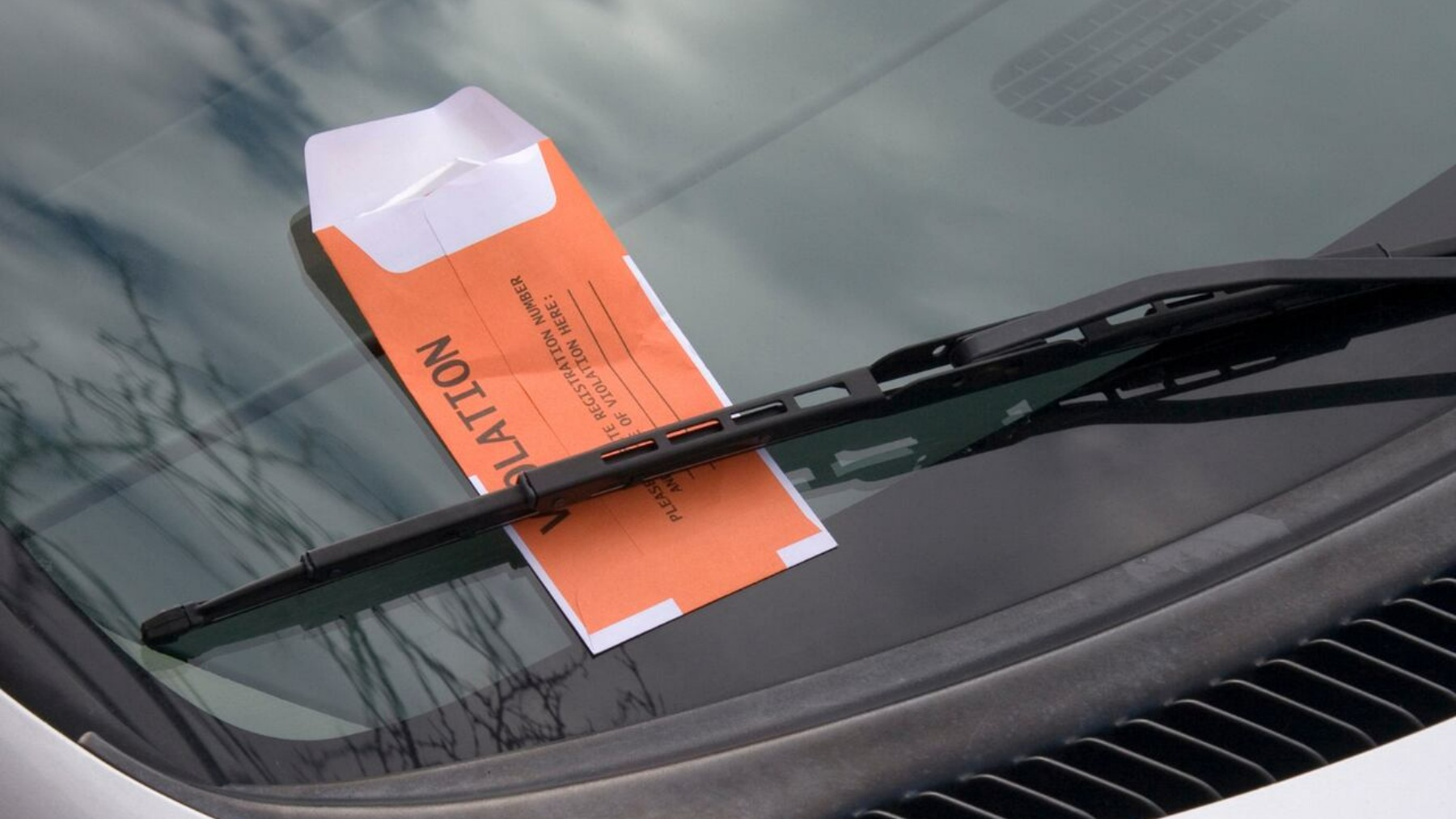
It is official. Boynton Beach, Florida has enacted a new parking regulation that is leaving residents stunned, frustrated, and in many cases fined for parking their own vehicles on their own property. What seems like a misunderstanding is very real, and the penalties are already landing on windshields across the city.
Many locals have expressed confusion and anger with the sudden enforcement, with some saying they are simply out of options for where to place their vehicles. As one resident bluntly put it, We are screwed.
This story was originally reported by Blanqui Violetas. You can read the source article here:
Parking on Your Own Property Can Now Result in a Fine
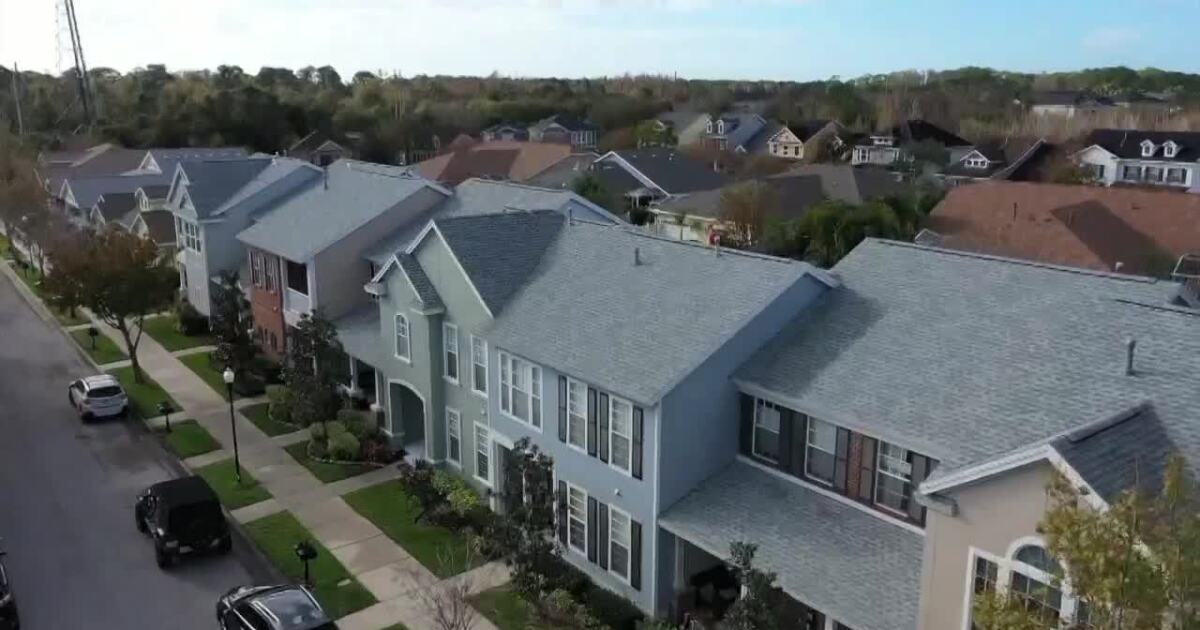
A newly adopted municipal ordinance prohibits Boynton Beach residents from parking on grass or on any surface that is not an official driveway. That includes areas inside the property line. In other words, ownership does not equal permission anymore.
For families juggling multiple cars or tight driveway space, this shift is more than inconvenient. Many have parked the same way for years without issue, only to find surprise tickets under their wipers.
How Much Are the Fines?
The fine is approximately 25 dollars per improperly parked vehicle. If unpaid, the amount increases to 32 dollars. For households with several cars, these citations stack fast, creating unexpected financial strain.
Why Are Residents Upset?
The frustration goes beyond parking frustration. Many American households include multiple working adults, making numerous vehicles common. Not every home was built with large driveways, and now some residents are considering tearing up gardens or paying for expensive construction just to comply.
What Does the City Say?
City officials argue the ordinance was introduced to improve neighborhood appearance, protect drainage systems, and prevent pedestrian hazards. They insist it is not a revenue-grab, though many residents remain unconvinced.
Some locals, like resident Cristina Super, have labeled the policy abusive and unnecessary.
Are There Any Exceptions?
Visitors may park for up to 12 hours within a 24-hour period. Unfortunately, this does little to help full-time residents who face ongoing parking challenges.
A Growing Debate Over Private Property Rights
This new rule has sparked a broader debate over how far city governments should go in regulating private property. While some appreciate the cleaner aesthetic, many believe the policy crosses a line and ignores daily realities.
More cities nationwide are tightening rules in an effort to reshape neighborhoods, and the challenge remains finding the balance between design and personal freedom.
Why This Matters for Real Estate Students and Professionals
Local ordinances like this directly affect property value, homeowner satisfaction, and the conversations real estate agents must have with buyers. This makes the topic especially important for anyone entering the industry.
At Cameron Academy, we prioritize real world understanding in every licensing program. Our students do more than pass exams … they learn how to navigate actual laws, ordinances, and the day-to-day reality of supporting homeowners and investors across Florida.
Getting licensed or staying ahead in your career can be a journey—but it doesn’t have to be overwhelming. Grab your favorite coffee or tea, take a moment to relax, and browse through our articles. Whether you’re just starting out or renewing your expertise, we’ve got tips, insights, and advice to keep you moving forward. Here’s to your success—one sip and one step at a time!
Redfin forecasts a slow but meaningful return to normalcy in the U.S. housing market starting in 2026. Instead of a crash or a rapid correction, the year marks the beginning of a “Great Housing Reset” where affordability gradually improves, mortgage rates ease into the low‑6% range, home sales tick upward, and renters, buyers, and professionals finally feel less market pressure. From wage growth outpacing home prices to rising refi activity and the rise of AI‑powered real estate tools, 2026 is shaping up to be a foundational year for real estate careers and long‑term market stability.
Hurricane Melissa’s destruction in Jamaica highlights a growing global reality: climate risks are accelerating faster than insurance adoption. With more than 90% of disaster losses in developing regions going uninsured and a worldwide protection gap exceeding $1.8 trillion annually, experts warn that traditional insurance systems can no longer keep up. New models—like parametric payouts, community‑based aggregation and bundled climate tools—are emerging, but governments and corporations must step in to prevent financial shocks from destabilizing entire economies.
Gravis Robotics, a Zurich-based startup, just raised $23 million to bring autonomous tech to construction sites facing a massive operator shortage. As demand surges for renewable energy projects, data centers, and new housing, Gravis retrofits traditional heavy machinery with AI-driven systems that can work autonomously or via remote guidance. With trials already underway across seven countries, the company is pushing a future where humans and robots collaborate — speeding up development timelines and reshaping industries from construction to real estate.
Zillow has quietly removed its climate‑risk scores after months of pressure from agents, homeowners, and listing services who said the warnings were scaring off buyers. The move has sparked a national debate: Is this a win for real estate sales or a setback for consumer transparency? Critics warn that without clear climate‑risk data, families could be “flying blind” into costly surprises like insurance spikes and flood damage. As climate impacts intensify and disclosure expectations rise, real estate professionals must stay informed—because whether Zillow shows the data or not, the risks aren’t going anywhere.
Florida’s property insurance crisis is becoming the defining issue heading into the 2026 election season. Republicans argue that recent reforms are finally stabilizing the market, pointing to reduced litigation and cooling reinsurance costs. Democrats counter that families are still facing unbearable premiums, with condo prices dropping over 8% and Floridians paying some of the highest insurance rates in the nation. As lawmakers prepare to return to Tallahassee, the future of insurance reform is set to become the central political fight—one that will directly impact homeowners, investors, and real estate professionals across the state.
Connectivity has become one of the most powerful differentiators in today’s real estate market. As smart buildings, automation, and sustainability demands accelerate, fiber networks are replacing outdated copper systems and reshaping property value. With lower energy use, unified smart‑building capabilities, reduced long‑term costs, and stronger tenant satisfaction, digital infrastructure is now central to investment strategy. Real estate professionals who understand this shift gain a competitive edge as the industry moves toward cleaner, smarter, more connected buildings.