Florida City Cracks Down on Driveway Parking, Leaving Residents Shocked by New Fines
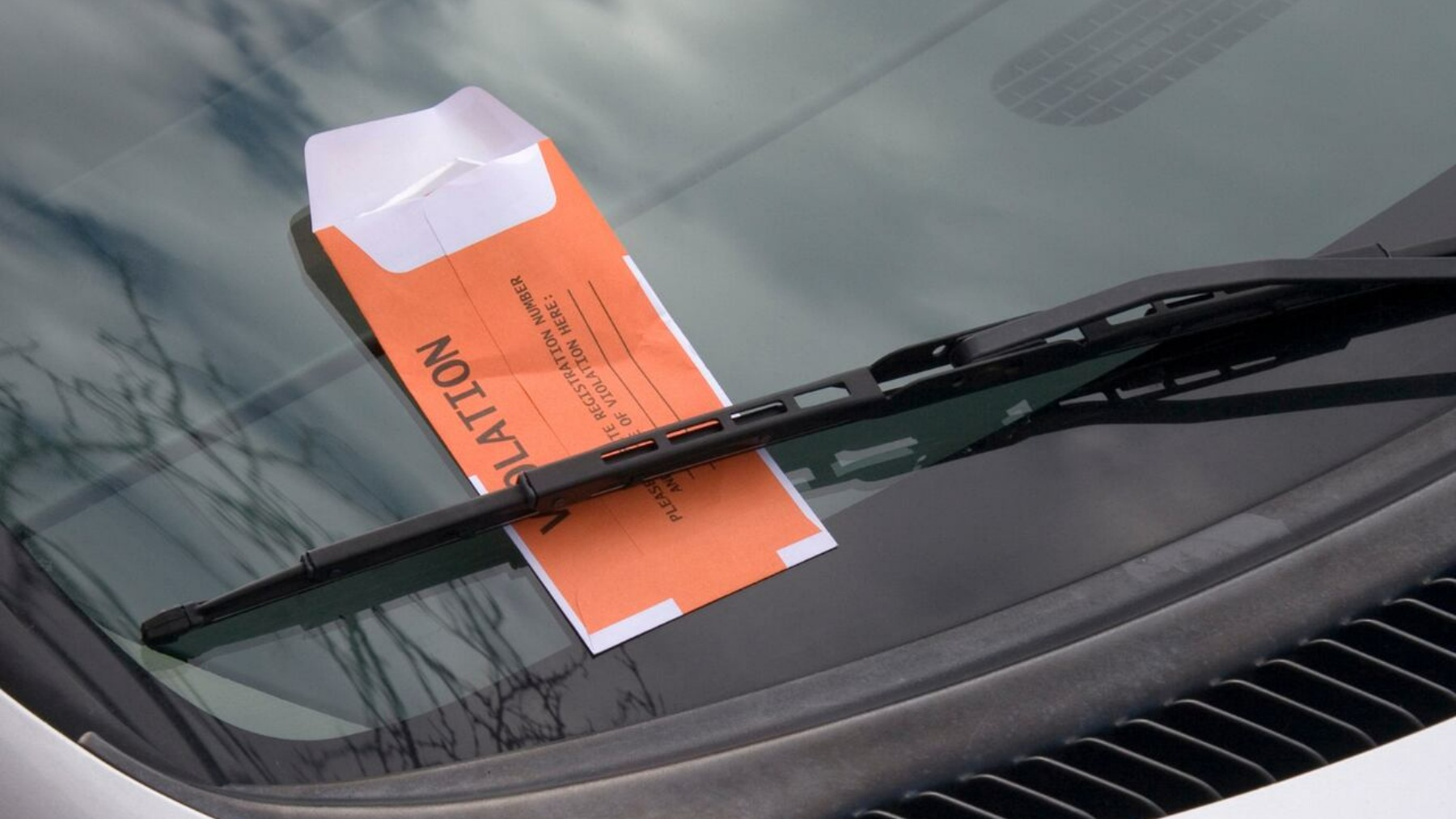
It is official. Boynton Beach, Florida has enacted a new parking regulation that is leaving residents stunned, frustrated, and in many cases fined for parking their own vehicles on their own property. What seems like a misunderstanding is very real, and the penalties are already landing on windshields across the city.
Many locals have expressed confusion and anger with the sudden enforcement, with some saying they are simply out of options for where to place their vehicles. As one resident bluntly put it, We are screwed.
This story was originally reported by Blanqui Violetas. You can read the source article here:
Parking on Your Own Property Can Now Result in a Fine
A newly adopted municipal ordinance prohibits Boynton Beach residents from parking on grass or on any surface that is not an official driveway. That includes areas inside the property line. In other words, ownership does not equal permission anymore.
For families juggling multiple cars or tight driveway space, this shift is more than inconvenient. Many have parked the same way for years without issue, only to find surprise tickets under their wipers.
How Much Are the Fines?
The fine is approximately 25 dollars per improperly parked vehicle. If unpaid, the amount increases to 32 dollars. For households with several cars, these citations stack fast, creating unexpected financial strain.
Why Are Residents Upset?
The frustration goes beyond parking frustration. Many American households include multiple working adults, making numerous vehicles common. Not every home was built with large driveways, and now some residents are considering tearing up gardens or paying for expensive construction just to comply.
What Does the City Say?
City officials argue the ordinance was introduced to improve neighborhood appearance, protect drainage systems, and prevent pedestrian hazards. They insist it is not a revenue-grab, though many residents remain unconvinced.
Some locals, like resident Cristina Super, have labeled the policy abusive and unnecessary.
Are There Any Exceptions?
Visitors may park for up to 12 hours within a 24-hour period. Unfortunately, this does little to help full-time residents who face ongoing parking challenges.
A Growing Debate Over Private Property Rights
This new rule has sparked a broader debate over how far city governments should go in regulating private property. While some appreciate the cleaner aesthetic, many believe the policy crosses a line and ignores daily realities.
More cities nationwide are tightening rules in an effort to reshape neighborhoods, and the challenge remains finding the balance between design and personal freedom.
Why This Matters for Real Estate Students and Professionals
Local ordinances like this directly affect property value, homeowner satisfaction, and the conversations real estate agents must have with buyers. This makes the topic especially important for anyone entering the industry.
At Cameron Academy, we prioritize real world understanding in every licensing program. Our students do more than pass exams … they learn how to navigate actual laws, ordinances, and the day-to-day reality of supporting homeowners and investors across Florida.
Getting licensed or staying ahead in your career can be a journey—but it doesn’t have to be overwhelming. Grab your favorite coffee or tea, take a moment to relax, and browse through our articles. Whether you’re just starting out or renewing your expertise, we’ve got tips, insights, and advice to keep you moving forward. Here’s to your success—one sip and one step at a time!
New data from the U.S. Bureau of Labor Statistics reveals major pay gaps across industries as we head into 2025. While top roles in finance, tech, and healthcare exceed $130,000 to $160,000 a year, other professions lag far behind—even when education levels are similar. Job titles, location, experience, and specialized skills are now some of the biggest factors shaping how much you earn. If you’ve been wondering whether your paycheck is keeping up with the market, this breakdown shows exactly where you stand and what it takes to boost your earning power.
A cooling housing market is giving buyers something they haven’t had in years: room to breathe. With slower sales, more inventory, and less pressure to make snap decisions, homebuyer regret has noticeably declined in 2025. Buyers are feeling more confident thanks to fewer bidding wars, reduced overpaying, and stronger financial preparation—though maintenance surprises still pose challenges. This shift toward a true buyer’s market offers real estate professionals a prime opportunity to guide clients with clarity and confidence.
This week’s commercial real estate roundup unpacks the lingering economic fallout from the 43‑day federal shutdown, new pressures on major office markets, and the rise of STEM‑driven cities reshaping demand nationwide. With fresh Q3 data from Altus showing stronger‑than‑expected transaction momentum, plus updates on Chicago’s valuation slide and national mortgage policy debates, this edition delivers the essential trends CRE, mortgage, finance, and appraisal professionals need to stay ahead.
ATTOM has been named Inman’s 2025 Best of Proptech winner, earning top recognition for its leadership in data and intelligence platforms. With advancements like Snowflake integration, ATTOM Nexus, and enhanced parcel‑centric analytics, the company is shaping the future of AI‑driven real estate decision‑making. This win highlights ATTOM’s growing role as a trusted data backbone for real estate, mortgage, insurance, and investment professionals nationwide.
A new report reveals that Florida’s property insurance market is far from recovering. Despite political claims of stabilization, homeowners are seeing premiums up 54% since 2019, widespread insurer instability, and some companies re‑entering the market under rebranded identities. With high rates of unpaid claims, delayed payouts, and policy non‑renewals, lawmakers are now pushing for transparency and oversight. For homeowners and industry professionals alike, understanding these risks is critical as Florida’s insurance challenges continue to deepen.
Despite new insurers entering the state and lawmakers touting market improvements, a new report reveals Florida’s property insurance system is still plagued by high premiums, weak oversight, and companies with troubled histories. Rates have climbed 54% since 2019, nearly one‑fifth of homeowners are now uninsured, and Florida leads the nation in unpaid and delayed claims. Critics warn that the state’s strategy of shifting risk to undercapitalized private companies may set the stage for another crisis — leaving homeowners, buyers, and real estate professionals navigating a market that’s far from stable.