Florida Escrow Costs Are Skyrocketing — Here’s Why It Matters for Homeowners and Future Buyers

Storm-damaged florida home being demolished

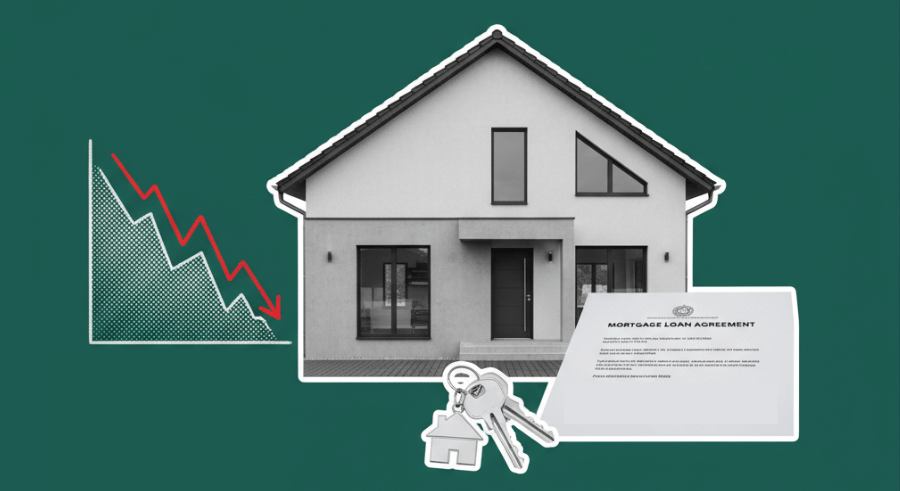
Florida homeowners are facing a new financial reality: escrow costs are soaring faster here than anywhere else in the country. According to a fresh analysis from Realtor.com, escrow payments in Florida have surged 70% since 2019 — far outpacing the 45% national average increase.

The result? Nearly 38% of every monthly mortgage payment in Florida now goes to escrow alone. That means more than one‑third of what homeowners send their lenders each month is routed to property taxes and homeowners insurance, not principal or interest.

What’s Driving Florida’s Escrow Explosion?

The surge in escrow costs comes down to two forces hitting Florida harder than any other state: rapidly rising insurance premiums and increasing property taxes. Cotality (formerly CoreLogic), which conducted the analysis, points to Florida’s uniquely high hurricane, wind, and flood risk — and the multibillion‑dollar damage events that continue to batter the state.

According to Kiplinger, Florida now has the third-highest average annual homeowners insurance premium in the nation at $5,838. But in certain communities — like Tavernier in the Florida Keys — average premiums soar to nearly $19,000 per year.

As Cotality Principal Economist Archana Pradhan noted, rising escrow burdens are “reshaping the financial reality of homeownership,” squeezing fixed‑income residents and pricing out would‑be buyers.

How Does Florida Compare to Neighboring States?

Florida’s escrow spike tops the region, but nearby states are also feeling the pressure. According to related Realtor.com reports:

  • Louisiana escrow costs are up 63% since 2019
  • Alabama is up 62%
  • Georgia is up 58%

Still, none come close to Florida’s 70% spike — the largest increase in the United States.

Is Relief on the Way?

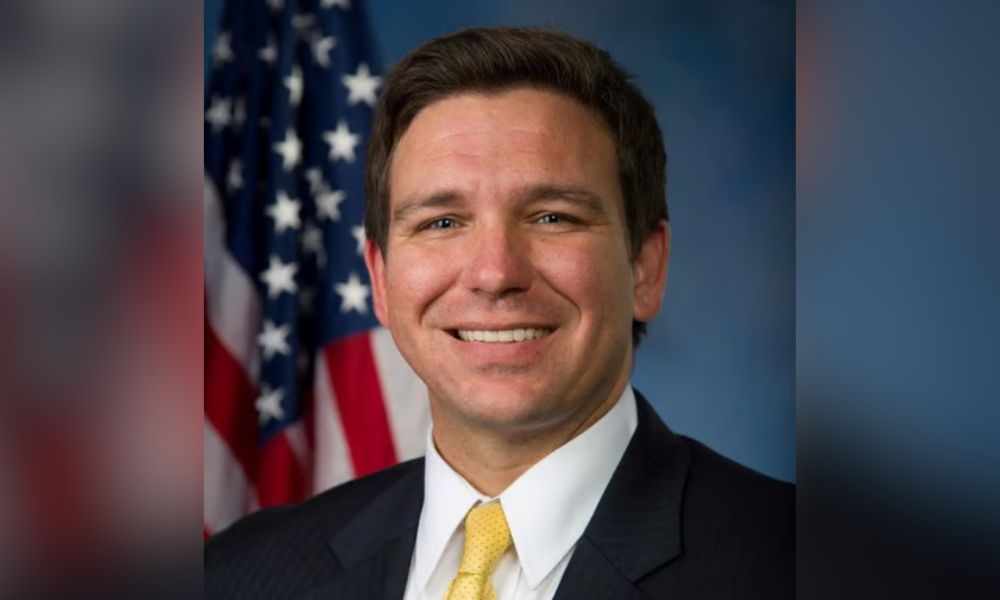
Yes — at least for some homeowners. In early January, Gov. Ron DeSantis announced that Citizens Property Insurance policyholders will see “meaningful premium reductions” beginning this spring. New state‑approved rates are expected to reduce premiums for more than 330,000 Floridians, with reductions averaging 8.7%.

Some counties will see even steeper drops:

  • Broward County: 14.1% reduction
  • Miami‑Dade County: 14.0% reduction
  • Palm Beach County: 11.9% reduction
  • Monroe County: 11.3% reduction

Several private insurers — including Florida Peninsula, Security First, and University Property & Casualty — have also announced plans to reduce rates under recent state reforms. Whether these changes will meaningfully offset escrow increases remains to be seen.

Quick Refresher: What Is Escrow?

Escrow is a portion of the mortgage payment that lenders collect each month to cover a homeowner’s property taxes and insurance costs. When those underlying expenses rise, monthly mortgage payments rise — even if the interest rate stays the same.

Why This Matters for Real Estate Professionals

With escrow now consuming more than a third of Floridians’ mortgage payments, buyers and agents must factor these rising costs into affordability calculations. Industry professionals who clearly understand insurance trends, tax impacts, and Florida’s shifting market conditions will be better positioned to guide clients through critical decisions.

If you’re entering the real estate field — or expanding your professional credentials — Cameron Academy offers flexible, trusted licensing and continuing education across Florida and all 50 states. Understanding topics like escrow, insurance, and property taxation isn’t just useful — it’s essential for long‑term success in today’s evolving market landscape.

For the full original report, visit the Daytona Beach News‑Journal, part of the USA TODAY Network.

More Articles

Getting licensed or staying ahead in your career can be a journey—but it doesn’t have to be overwhelming. Grab your favorite coffee or tea, take a moment to relax, and browse through our articles. Whether you’re just starting out or renewing your expertise, we’ve got tips, insights, and advice to keep you moving forward. Here’s to your success—one sip and one step at a time!

The Tokenization Tsunami: Why Digital Assets Are Reshaping Wall Street, Washington, and Your Professional Future

Tokenization has surged from crypto niche to global financial disruptor as institutions like Robinhood, BlackRock, and Coinbase race to digitize real-world assets. With pro‑crypto political momentum, shifting regulations, and private companies resisting newfound transparency, this emerging wave is transforming how investments are bought, sold, and accessed. For professionals in real estate, finance, lending, and insurance, this shift signals massive opportunity—and equally massive responsibility—as the next era of asset ownership takes shape.

Florida’s 2026 Insurance Shake‑Up: Citizens Approves Major Statewide Rate Cuts

Florida homeowners are finally getting relief as Citizens Property Insurance announces an average 8.7% statewide rate reduction for 2026, with South Florida seeing cuts as high as 14%. Driven by recent tort reforms and a stabilizing market, these decreases signal a major turnaround for an industry once on the brink of collapse — and a potential boost for real estate activity across the state.

The 2026 Housing Market Finally Returns to “Normal” as Inventory Stabilizes and Demand Takes the Lead

After years of roller‑coaster chaos, the 2026 U.S. housing market is easing into something professionals haven’t seen in a long time: balance. Inventory growth has slowed to just 10% year over year—down sharply from 2025’s surge—signaling the end of the pandemic‑era scarcity and the rise of a market driven by real‑time demand and interest rates. With seasonal patterns returning, negotiations replacing bidding wars and rates drifting toward 6%, agents, lenders and investors are finally navigating conditions that look… normal.

Gen Z Is Skipping Wall Street Advice and Turning to #RichTok for Financial Independence

More than half of Gen Z investors say they entered the stock market because of social media—not textbooks, not advisors. Viral creators, AI tools, and crypto trends are reshaping how young adults learn about money, invest early, and chase financial freedom. This Fortune‑featured shift highlights a generation determined to build wealth fast, trust digital voices over traditional institutions, and redefine financial education for the future.

The U.S. Housing Market Is Finally Normalizing in 2026 — What Today’s Professionals Need to Know

After years of extremes, the U.S. housing market is shifting into a more balanced, predictable phase. Inventory growth has cooled from last year’s surge, seasonality is returning, and pricing is becoming increasingly rate‑sensitive. With mortgage rates hovering near 6% and policy changes reshaping investor participation, 2026 is emerging as a negotiation‑driven market where skilled agents, lenders, builders, and investors have a renewed advantage. This new landscape rewards strategy, education, and real‑time demand awareness—making it an ideal moment for professionals to refine their approach and capitalize on the market’s normalization.

Mortgage Rates Could Drop Faster Than Expected in 2026, Thanks to New MBS Policy

A sudden policy shift at the start of 2026 is already pushing mortgage rates lower, dipping them under 6% for the first time in months. New projections suggest the government-sponsored enterprises’ $200 billion in mortgage‑backed securities purchases could accelerate rate declines throughout the year, boosting affordability, home sales, and overall market activity for buyers, sellers, and real estate professionals alike.