Florida Escrow Payments Keep Rising as Insurance Costs Rewrite the Rules of Homeownership
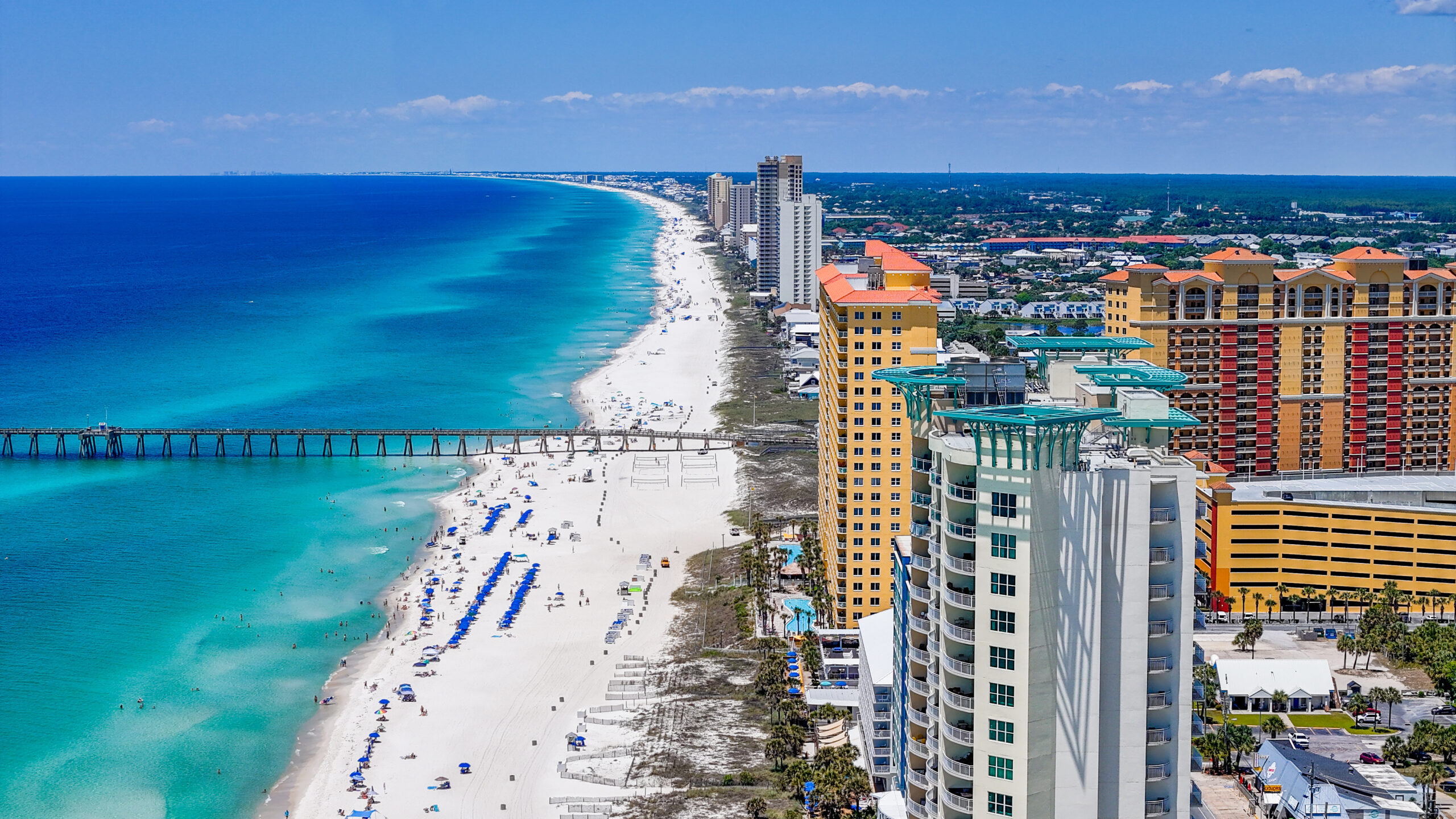
Florida has long sold itself as a sun‑drenched dream — warm breezes, oceanfront sunsets, and palm trees swaying like they’re on vacation year‑round. But recently, a very different kind of visitor has crept into Floridians’ bank accounts: escrow shock. Homeowners across the state are opening their mortgage statements only to discover their monthly payments rising fast, driven almost entirely by surging insurance premiums.
This financial shift is reshaping how homeowners budget, how buyers calculate affordability, and how the Florida housing market behaves. If you own property in Florida — or plan to — this is a trend worth your full attention. The original reporting comes from the excellent team at Inkl, whose coverage helped inspire this expanded analysis.
The Quiet Financial Engine That Just Got Loud
Escrow is usually the quiet part of your mortgage — the behind‑the‑scenes account holding funds for taxes and insurance. But when insurance premiums jump, escrow payments react immediately. And in Florida, where insurers have battled storm losses, litigation pressures, and reduced competition, these increases have been especially intense.
The result? Even homeowners who haven’t touched their mortgage principal or interest are seeing monthly payments spike — sometimes by hundreds of dollars. It’s a shockwave hitting households across the state.
Insurance Costs Are Rewriting Florida’s Affordability Story
Florida was once marketed as an affordable paradise compared to other coastal regions. But now, with insurance premiums rising faster than wages, that narrative is changing. Unlike typical inflation, insurance increases often come suddenly — making long‑term budgeting uncertain and forcing many homeowners into uncomfortable financial territory without any change in lifestyle.
Did You Know? Homeowners insurance is now one of the fastest‑rising housing expenses in Florida — influencing everything from mortgage approvals to resale values.
How Rising Escrow Payments Affect Buyers and Sellers
This shift is reshaping more than household budgets — it’s changing Florida real estate itself. Buyers now must qualify for the home price, interest rate, and dramatically higher insurance‑driven escrow costs. A home that seems affordable can suddenly become out of reach once insurance is factored in.
Sellers are feeling the squeeze too. Higher monthly costs shrink the buyer pool, particularly in coastal or storm‑vulnerable areas. Homes aren’t just judged on condition or neighborhood anymore — but on their insurance risk profile.
What Homeowners Can Do Right Now
While homeowners can’t control the insurance market, there are steps they can take to reduce long‑term costs. This includes shopping insurance annually, evaluating coverage line‑by‑line, and upgrading roof structures or installing impact‑resistant windows — improvements that may qualify for significant discounts. A helpful example can be found here: Roof Reinforcement Guide.
Financial experts now suggest treating escrow not as a fixed cost — but a variable one that may fluctuate yearly. A mindset shift can make all the difference.
The Real Cost of Paradise
Florida remains one of the world’s most desirable places to live. But behind the sunshine, the financial mechanics are shifting. Escrow increases driven by insurance volatility are quickly becoming one of the clearest indicators of Florida’s evolving housing landscape.
If you’re navigating the real estate market — whether buying, selling, investing, or maintaining a property — staying informed is essential. And for those entering the real estate profession, knowledge like this is fundamental. At Cameron Academy, students learn how market forces like insurance risk and escrow forecasting shape real‑world trends, giving future professionals a competitive advantage.
Your turn: Have you noticed changes in your escrow? How are rising insurance costs shaping your view of Florida homeownership? Join the conversation below.
You May Also Like…
State Farm Files for 10% Rate Reduction in Florida After Years of Increases
Florida’s 3.35% Non‑Renewal Rate Explained
Florida Homeowners Are Seeing Insurance Rates Decrease in 2026
California Insurance Crisis: 13% of Home Sales Failed Due to No Coverage
Common Misconceptions About Insurance Costs