Florida Home Insurance Rates May Finally Drop in 2026 — Here’s What Professionals Need To Know
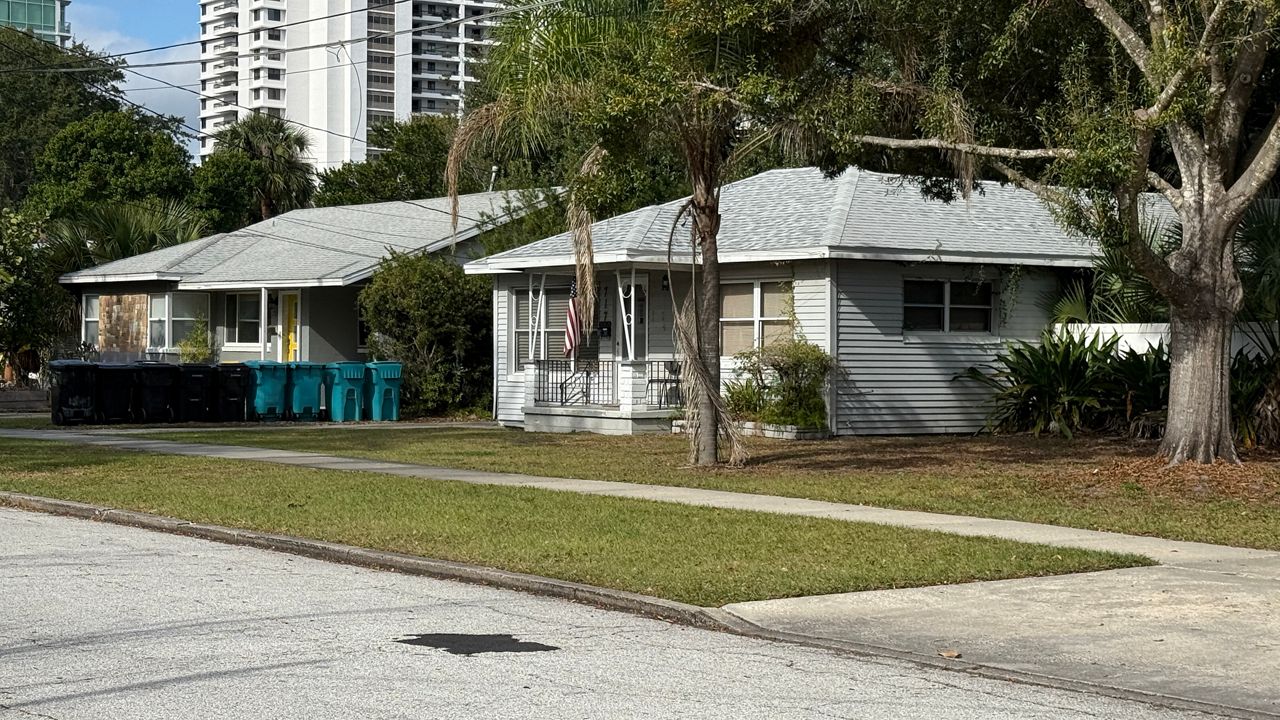
Florida home neighborhood

At long last… Florida homeowners may be catching a much‑needed break. As 2025 comes to a close, several insurance companies are proposing real premium reductions for 2026. After years of soaring rates, rising deductibles, insurer exits, and widespread frustration, the Florida insurance market is showing early signs of actual recovery — and in some cases, even dramatic improvement.

Quick Highlights

  • Florida’s 2022 insurance reforms are finally producing tangible results.
  • Citizens Property Insurance may reduce premiums for the first time since 2015.
  • Some insurers propose double‑digit decreases depending on location.
  • Private companies are returning to Florida with competitive pricing.

Why Rates Are Dropping for Many Homeowners

John Tankersley of Pine Street Insurance — a seasoned expert with nearly three decades in the field — explains that the market is healthier than it has been in years. According to him, more companies are submitting rate‑decrease filings to state regulators, marking a significant shift from the relentless premium escalations of the past decade.

Here are some of the proposed cuts for 2026:

  • State Farm: 10% statewide reduction
  • Florida Peninsula Insurance: 8.4% average reduction
  • Patriot Select Insurance: 11.3% reduction

State regulators have already approved premium reductions for Heritage Property and Casualty Insurance Company: 9.6% in Seminole County and 7% in Osceola County.

What’s Driving the Change?

Heritage CEO Ernie Garateix reports that improved hurricane‑loss data over the past three years has given insurers a clearer picture of expected risks. This stability allows companies to adjust premiums in a more accurate — and often lower — direction.

That said, savings won’t be universal. Rates will still vary heavily by ZIP code, claims history, and local loss ratios.

Citizens Insurance Also Proposes Cuts

Florida’s insurer of last resort, Citizens Property Insurance, is proposing a statewide average decrease of 2.6%. Even more promising, approximately 60% of policyholders may see reductions averaging 11.5%, pending approval.

As private carriers re-enter the market, thousands of Citizens policyholders are now receiving private-sector offers once again — something many haven’t seen in years.

Tip: Tankersley reminds homeowners they are not required to accept private offers. His advice: “Call your agent and shop around.”

What This Means for Real Estate and Insurance Professionals

Lower premiums can help drive affordability, increase loan approvals, and boost buyer confidence — opening doors for more successful closings and smoother transactions. For mortgage and real estate professionals, 2026 may usher in a much‑needed market revival.

Professionals looking to strengthen or expand their licensing in this improving environment can explore programs at Cameron Academy, a leader in real estate, mortgage, and insurance education across Florida and nationwide. Staying informed and credentialed is a powerful way to stay ahead as the market evolves.

Source

Full article available at Spectrum News 13: https://mynews13.com/fl/orlando/news/2025/12/19/more-home-insurance-companies-plan-rate-decreases-for-2026


More Articles

Getting licensed or staying ahead in your career can be a journey—but it doesn’t have to be overwhelming. Grab your favorite coffee or tea, take a moment to relax, and browse through our articles. Whether you’re just starting out or renewing your expertise, we’ve got tips, insights, and advice to keep you moving forward. Here’s to your success—one sip and one step at a time!

Seattle Faces One of America’s Worst Office Vacancy Crises as New Mayor Steps In

Seattle now holds the second‑highest office vacancy rate in the nation at 26.6%, with some downtown areas soaring past 35% and Pioneer Square reaching 50%. Mayor‑elect Katie Wilson steps into office with bold proposals—including a vacancy tax and office‑to‑housing conversions—amid tech pullbacks, shifting work habits, and investor uncertainty. Despite alarming numbers, signs of resilience remain, offering opportunities for savvy real estate professionals watching this market transform in real time.

Florida Renews Effort to Rein In Third‑Party Litigation Funding

Florida lawmakers are once again targeting the fast‑growing litigation‑financing industry with House Bill 1157, a proposal that would restrict how outside investors participate in lawsuits. The bill would limit funder influence, cap their share of settlements, and require new disclosures—especially for foreign‑backed financing. As similar measures emerge nationwide, the outcome could significantly impact professionals across law, insurance, finance, and real estate who depend on predictable risk and regulatory environments.

Philadelphia Scores a 15% Flood Insurance Discount, Delivering Real Savings for Residents and New Opportunities for Real Estate Pros

Starting April 1, Philadelphia homeowners and renters with federal flood insurance will see a 15% reduction in their premiums thanks to the city joining FEMA’s Community Rating System. The discount reflects Philadelphia’s growing investment in flood‑risk mitigation and is expected to save residents and businesses more than $424,000 annually. Beyond easing household expenses, the change also reshapes how real estate and insurance professionals evaluate flood‑zone properties, opening the door to improved affordability and stronger buyer confidence.

Newrez Pushes AI Underwriting Into the Mainstream With Major Investment

Newrez is doubling down on artificial intelligence with a strategic investment in Homevision, an advanced AI underwriting platform designed to automate collateral, income, assets, credit, and full loan decisioning. After seeing Homevision’s MIRA system boost collateral underwriting efficiency, Newrez plans to expand the technology in 2026—signaling a breakthrough year for real-time automated underwriting across the mortgage industry.

Americans Are Moving Differently — And It’s About to Reshape Commercial Real Estate

A new United Van Lines migration report reveals that Americans are trading big-city ambition for affordability, shorter commutes, and better quality of life—reshaping where and how commercial real estate will grow. Southern and smaller markets continue to attract new residents, but pandemic‑era assumptions of endless demand are fading as rent growth cools and new inventory floods the market. For investors and real estate professionals, the opportunity now lies in affordable housing, modest office parks, value‑focused retail, and support‑industrial spaces like self‑storage.

2026 Housing Market Outlook: Economists Predict Stability, Rising Sales, and a New Wave of Buyers

The 2026 housing market is finally shifting into balance, with economists forecasting rising home sales, improved affordability, and a more diverse buyer pool. Inventory is up, mortgage rates are easing, and demographic changes—from returning first-time buyers to dominant baby boomers—are reshaping demand. New construction is stabilizing, price growth is moderating, and millions of buyers could re-enter the market as rates fall toward 6 percent. For real estate professionals, this rebalanced environment offers fresh opportunities for growth, strategy, and education.