Florida’s Insurance Crisis Reaches a Boiling Point — New Findings Show Homeowners Struggling Under Nation-Leading Premiums
New findings from WPTV News Channel 5 highlight a growing financial emergency for Florida homeowners as insurance premiums keep climbing. According to a recent Bankrate.com analysis, Floridians now pay an astonishing$5,838 per year — nearly $3,000 more than the national average — placing the state among the most expensive in the country for homeowners coverage.
“It’s getting pretty expensive here.” West Palm Beach homeowner Jeff Heun revealed his premiums once sat at $3,400 — but now, he says, “everything’s tripled.”
For retirees and families on fixed incomes, these inflated costs are creating painful choices: whether to relocate, cut back on essentials, or drop coverage entirely. One longtime resident even told reporters they haven’t carried homeowners insurance in more than 25 years — instead saving the money and hoping disaster never knocks.
Real Stories of Relief — and Frustration
In Loxahatchee, Bob and Pam Fix faced more than $40,000 in tornado damage. Their insurance provider initially offered just $4,500 — a shockingly low amount. But after an investigation by WPTV’s Kate Hussey, the payout jumped to $41,000, finally giving the couple hope of starting repairs. Their ordeal mirrors those faced by countless Floridians fighting for fair claim outcomes.
Dr. Martin Weiss of Weiss Ratings warns the crisis is accelerating and emphasizes the urgent need for transparency and consumer protection. Meanwhile, State Senator Carlos Guillermo Smith is pushing new reforms aimed at curbing excessive profits and tightening oversight on affiliated managing general agents.
Proposed measures now under consideration include:
Capping annual rate increases between 10% and 15%
Eliminating taxes on impact‑resistant upgrades like windows, doors, and garage doors
Strengthening accountability for insurers that mishandle or unfairly deny claims
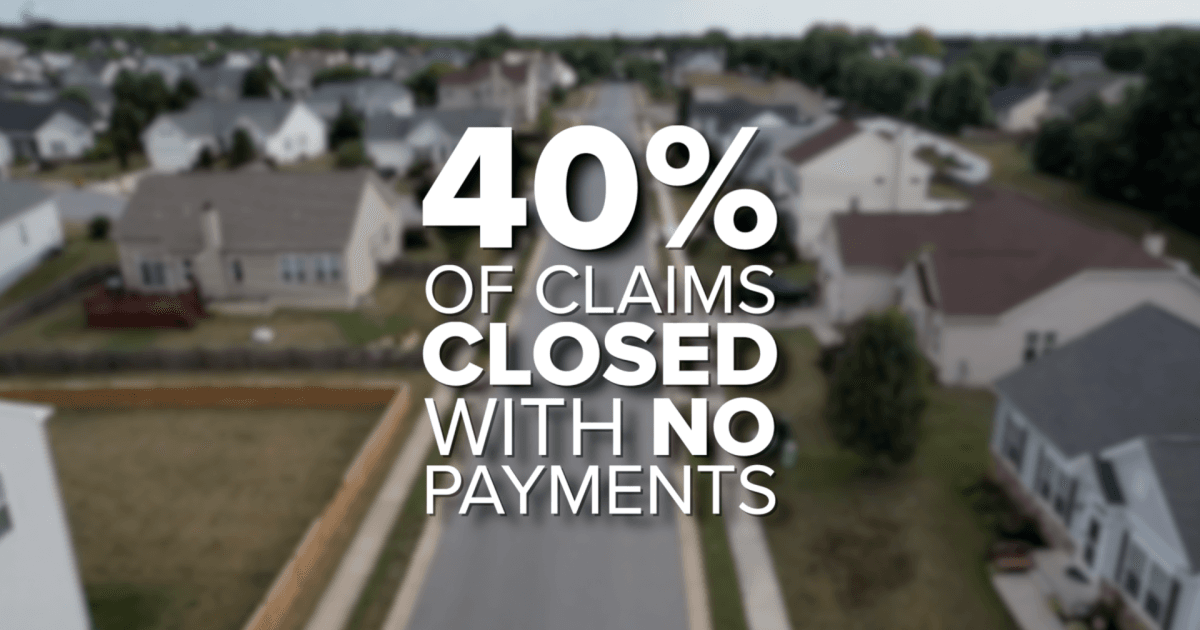
The broader picture remains deeply concerning. Florida ranks among the worst states for denied claims — with over 40% closed with no payment. Additionally, Florida leads the nation in non-renewals at 3.3%.
The Bigger Picture for Real Estate & Insurance Professionals
With premiums rising and legislation shifting rapidly, real estate, finance, and insurance professionals must stay informed to properly guide clients. Understanding these industry shifts isn’t optional — it’s becoming essential expertise for navigating Florida’s property markets.
For those looking to advance or update their careers, ongoing education is vital. That’s why institutions like Cameron Academy continue helping real estate, mortgage, and insurance professionals stay ahead of these evolving challenges with high‑quality, flexible licensing and CE courses.
A Storm That Still Needs a Forecast
Whether lawmakers can push meaningful reforms through a divided political landscape remains uncertain. But for now, Florida homeowners continue watching closely — hoping relief arrives before premiums edge even higher.
To explore the full investigative report and real-time updates, visit WPTV News Channel 5: WPTV’s original coverage.
More Articles
Getting licensed or staying ahead in your career can be a journey—but it doesn’t have to be overwhelming. Grab your favorite coffee or tea, take a moment to relax, and browse through our articles. Whether you’re just starting out or renewing your expertise, we’ve got tips, insights, and advice to keep you moving forward. Here’s to your success—one sip and one step at a time!
Cameron Academy is thrilled to offer the Free Annual Florida Real Estate Sales Associate 63-Hour Pre-License Course Livestream. This exclusive event is an opportunity for aspiring real estate professionals to gain expert instruction, access a comprehensive curriculum, and connect with a network of professionals in the industry. The course will be livestreamed from December 04-15, 2023, allowing you to participate from the comfort of your own home or office. Register now to secure your spot in this highly sought-after course. Spaces are limited, so early registration is highly recommended. Take the first step towards your real estate career today!
Coldwell Banker, a renowned real estate brand, has recently appointed Jason Waugh as the new president of Coldwell Banker Affiliates. In his new role, Waugh will be responsible for overseeing the brand's strategy, operations, and sales for its growing network of franchises. This appointment comes as Coldwell Banker aims to further strengthen its position in the real estate market. With an impressive background in the industry, Waugh brings a wealth of experience to his new position. Previously associated with Berkshire Hathaway HomeServices and Berkshire Hathaway Home Services Real Estate Professionals for 18 years, Waugh's expertise and leadership qualities make him an ideal fit for this role.
United Wholesale Mortgage (UWM), the country's leading lender, has increased its agency conforming loan limits to $750,000. This move, ahead of the Federal Housing Finance Agency's expected decision, applies to conventional and VA loans locked from October 11. The decision offers borrowers greater flexibility and access to larger loan amounts, with the benefits of conforming loans. These loans meet the guidelines set by government-sponsored enterprises like Fannie Mae and Freddie Mac, offering lower interest rates and more favorable terms compared to non-conforming or jumbo loans.
PNC Bank has implemented a cost-cutting strategy, leading to layoffs and a shift in focus towards expense management and strategic priorities. The bank aims to streamline operations, improve efficiency, and reallocate resources to align with long-term goals. Despite the layoffs, PNC Bank is committed to supporting affected employees during the transition period. Learn more about PNC Bank's strategy and its impact on the industry at Cameron Academy, a leading career education school.
Government-sponsored enterprise (GSE) loan buybacks have emerged as a significant issue for lenders in the mortgage market. The sudden increase in buybacks from entities like Fannie Mae and Freddie Mac is causing financial and operational strain among lenders. The rise in loan buybacks is largely due to stricter underwriting guidelines enforced by these GSEs. The impact of these buybacks is significant and far-reaching. Lenders not only face financial losses from repurchasing loans, but they also encounter operational challenges. The surge in loan buybacks has created uncertainty in the mortgage market, potentially slowing down the housing market. In response to the challenges posed by loan buybacks, lenders are implementing stricter underwriting practices and enhancing their quality control processes.
The housing market is currently witnessing an unusual trend - a deceleration in the growth of housing inventory, despite the rise in mortgage rates. This unexpected development has triggered concerns among potential buyers and industry experts. With mortgage rates climbing from their historic lows, the number of homes available for sale remains surprisingly stagnant. We investigate the factors contributing to this unexpected stagnation in inventory growth and examine the implications of rising mortgage rates, limited new listings, and an increase in price cuts. We also consider the impact of external elements such as labor reports and geopolitical risks on the housing market.