Florida’s Insurance Crisis Reaches a Boiling Point — New Findings Show Homeowners Struggling Under Nation-Leading Premiums
New findings from WPTV News Channel 5 highlight a growing financial emergency for Florida homeowners as insurance premiums keep climbing. According to a recent Bankrate.com analysis, Floridians now pay an astonishing$5,838 per year — nearly $3,000 more than the national average — placing the state among the most expensive in the country for homeowners coverage.
“It’s getting pretty expensive here.” West Palm Beach homeowner Jeff Heun revealed his premiums once sat at $3,400 — but now, he says, “everything’s tripled.”
For retirees and families on fixed incomes, these inflated costs are creating painful choices: whether to relocate, cut back on essentials, or drop coverage entirely. One longtime resident even told reporters they haven’t carried homeowners insurance in more than 25 years — instead saving the money and hoping disaster never knocks.
Real Stories of Relief — and Frustration
In Loxahatchee, Bob and Pam Fix faced more than $40,000 in tornado damage. Their insurance provider initially offered just $4,500 — a shockingly low amount. But after an investigation by WPTV’s Kate Hussey, the payout jumped to $41,000, finally giving the couple hope of starting repairs. Their ordeal mirrors those faced by countless Floridians fighting for fair claim outcomes.
Dr. Martin Weiss of Weiss Ratings warns the crisis is accelerating and emphasizes the urgent need for transparency and consumer protection. Meanwhile, State Senator Carlos Guillermo Smith is pushing new reforms aimed at curbing excessive profits and tightening oversight on affiliated managing general agents.
Proposed measures now under consideration include:
Capping annual rate increases between 10% and 15%
Eliminating taxes on impact‑resistant upgrades like windows, doors, and garage doors
Strengthening accountability for insurers that mishandle or unfairly deny claims
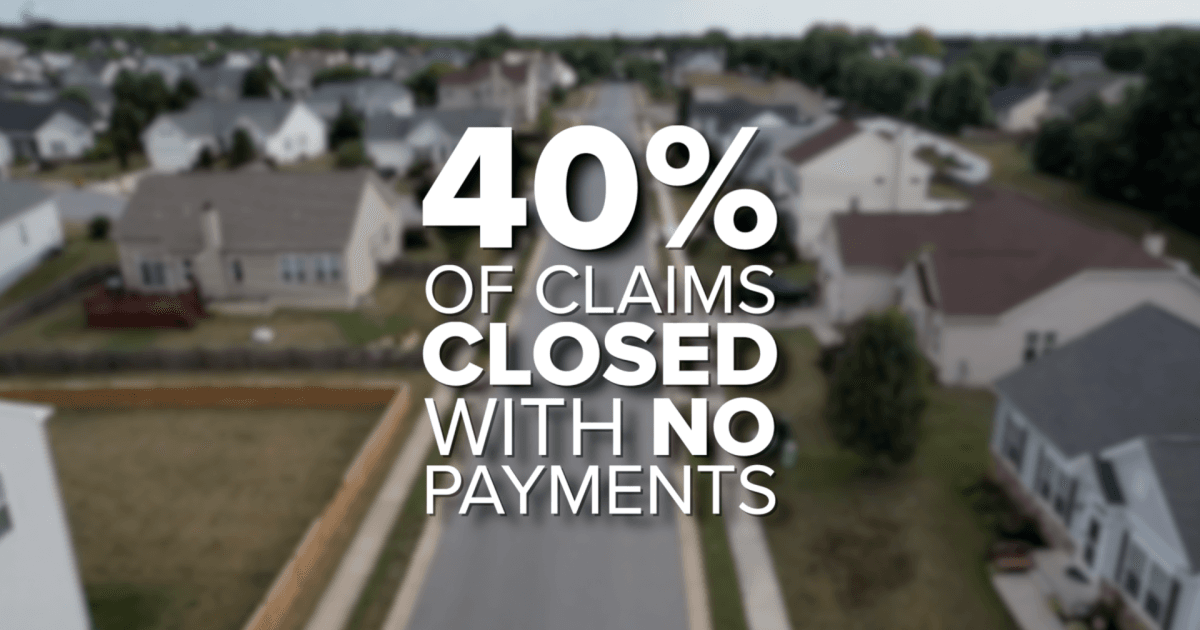
The broader picture remains deeply concerning. Florida ranks among the worst states for denied claims — with over 40% closed with no payment. Additionally, Florida leads the nation in non-renewals at 3.3%.
The Bigger Picture for Real Estate & Insurance Professionals
With premiums rising and legislation shifting rapidly, real estate, finance, and insurance professionals must stay informed to properly guide clients. Understanding these industry shifts isn’t optional — it’s becoming essential expertise for navigating Florida’s property markets.
For those looking to advance or update their careers, ongoing education is vital. That’s why institutions like Cameron Academy continue helping real estate, mortgage, and insurance professionals stay ahead of these evolving challenges with high‑quality, flexible licensing and CE courses.
A Storm That Still Needs a Forecast
Whether lawmakers can push meaningful reforms through a divided political landscape remains uncertain. But for now, Florida homeowners continue watching closely — hoping relief arrives before premiums edge even higher.
To explore the full investigative report and real-time updates, visit WPTV News Channel 5: WPTV’s original coverage.
More Articles
Getting licensed or staying ahead in your career can be a journey—but it doesn’t have to be overwhelming. Grab your favorite coffee or tea, take a moment to relax, and browse through our articles. Whether you’re just starting out or renewing your expertise, we’ve got tips, insights, and advice to keep you moving forward. Here’s to your success—one sip and one step at a time!
After years of soaring premiums and insurer instability, Florida’s property insurance market is finally turning a corner. Major carriers have filed 83 requests for rate decreases heading into 2026, with companies like Florida Peninsula and Patriot Select proposing cuts of 8.4% and 11.3%. Some homeowners may see relief as early as next month, signaling a long‑awaited shift toward market stability.
Fix-and-flip investing is gearing up for one of its strongest years in a decade as 2026 approaches. With cheaper capital, more accessible funding, easing interest rates, and long-awaited increases in housing inventory, investors are finding the perfect environment to launch or scale renovation-based real estate businesses. Renovation continues to outpace new construction in cost and speed, and demand for move-in-ready homes remains high, making 2026 a powerful opportunity window for both new and experienced investors.
After a short-lived period of relief in 2025, the U.S. rental market may be headed for a tighter, more expensive 2026. With construction starts dropping nearly 11% and completions plunging 42%, the surge of new apartments that helped lower rents is rapidly drying up. Rising costs, shrinking inventory, and a slowdown in new development point to a potential rental crunch that could leave renters facing heavier competition and higher prices across major markets next year.
The commercial real estate market is entering a rare reset that experts say mirrors the post‑2008 boom, creating a potential window for disciplined investors. With trillions in commercial debt coming due and property values dropping up to 40%, firms like AARE are positioning themselves to acquire assets below replacement cost—an advantage that could set the stage for significant long‑term growth.
Commercial real estate is entering a reinvention phase, with AI‑driven productivity, modernized office demand, experience‑focused retail, expanding industrial logistics, creative housing solutions, and sustainability‑centered design all accelerating nationwide. These six forces are shaping how investors, brokers, and future licensees will operate in a rapidly evolving U.S. market.
After years of economic uncertainty and cautious decision‑making, 2026 is shaping up to be the year professionals finally catch a break. AI is moving from buzzword to essential tool, capital markets are beginning to thaw, and hiring is picking up across real estate, mortgage, insurance, finance, and healthcare. With opportunity returning, many professionals are using this moment to upskill—pursuing new licenses, certifications, and cross‑industry expertise.