Florida’s Insurance Crisis Reaches a Boiling Point — New Findings Show Homeowners Struggling Under Nation-Leading Premiums
New findings from WPTV News Channel 5 highlight a growing financial emergency for Florida homeowners as insurance premiums keep climbing. According to a recent Bankrate.com analysis, Floridians now pay an astonishing$5,838 per year — nearly $3,000 more than the national average — placing the state among the most expensive in the country for homeowners coverage.
“It’s getting pretty expensive here.” West Palm Beach homeowner Jeff Heun revealed his premiums once sat at $3,400 — but now, he says, “everything’s tripled.”
For retirees and families on fixed incomes, these inflated costs are creating painful choices: whether to relocate, cut back on essentials, or drop coverage entirely. One longtime resident even told reporters they haven’t carried homeowners insurance in more than 25 years — instead saving the money and hoping disaster never knocks.
Real Stories of Relief — and Frustration
In Loxahatchee, Bob and Pam Fix faced more than $40,000 in tornado damage. Their insurance provider initially offered just $4,500 — a shockingly low amount. But after an investigation by WPTV’s Kate Hussey, the payout jumped to $41,000, finally giving the couple hope of starting repairs. Their ordeal mirrors those faced by countless Floridians fighting for fair claim outcomes.
Dr. Martin Weiss of Weiss Ratings warns the crisis is accelerating and emphasizes the urgent need for transparency and consumer protection. Meanwhile, State Senator Carlos Guillermo Smith is pushing new reforms aimed at curbing excessive profits and tightening oversight on affiliated managing general agents.
Proposed measures now under consideration include:
Capping annual rate increases between 10% and 15%
Eliminating taxes on impact‑resistant upgrades like windows, doors, and garage doors
Strengthening accountability for insurers that mishandle or unfairly deny claims
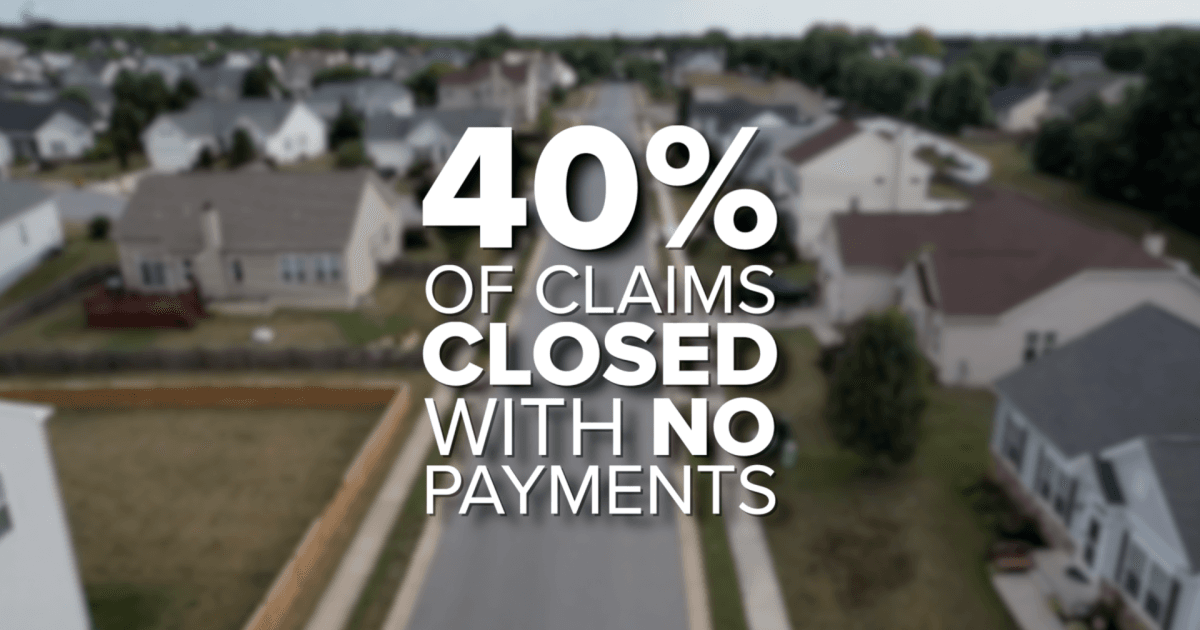
The broader picture remains deeply concerning. Florida ranks among the worst states for denied claims — with over 40% closed with no payment. Additionally, Florida leads the nation in non-renewals at 3.3%.
The Bigger Picture for Real Estate & Insurance Professionals
With premiums rising and legislation shifting rapidly, real estate, finance, and insurance professionals must stay informed to properly guide clients. Understanding these industry shifts isn’t optional — it’s becoming essential expertise for navigating Florida’s property markets.
For those looking to advance or update their careers, ongoing education is vital. That’s why institutions like Cameron Academy continue helping real estate, mortgage, and insurance professionals stay ahead of these evolving challenges with high‑quality, flexible licensing and CE courses.
A Storm That Still Needs a Forecast
Whether lawmakers can push meaningful reforms through a divided political landscape remains uncertain. But for now, Florida homeowners continue watching closely — hoping relief arrives before premiums edge even higher.
To explore the full investigative report and real-time updates, visit WPTV News Channel 5: WPTV’s original coverage.
More Articles
Getting licensed or staying ahead in your career can be a journey—but it doesn’t have to be overwhelming. Grab your favorite coffee or tea, take a moment to relax, and browse through our articles. Whether you’re just starting out or renewing your expertise, we’ve got tips, insights, and advice to keep you moving forward. Here’s to your success—one sip and one step at a time!
Seattle now holds the second‑highest office vacancy rate in the nation at 26.6%, with some downtown areas soaring past 35% and Pioneer Square reaching 50%. Mayor‑elect Katie Wilson steps into office with bold proposals—including a vacancy tax and office‑to‑housing conversions—amid tech pullbacks, shifting work habits, and investor uncertainty. Despite alarming numbers, signs of resilience remain, offering opportunities for savvy real estate professionals watching this market transform in real time.
Florida lawmakers are once again targeting the fast‑growing litigation‑financing industry with House Bill 1157, a proposal that would restrict how outside investors participate in lawsuits. The bill would limit funder influence, cap their share of settlements, and require new disclosures—especially for foreign‑backed financing. As similar measures emerge nationwide, the outcome could significantly impact professionals across law, insurance, finance, and real estate who depend on predictable risk and regulatory environments.
Starting April 1, Philadelphia homeowners and renters with federal flood insurance will see a 15% reduction in their premiums thanks to the city joining FEMA’s Community Rating System. The discount reflects Philadelphia’s growing investment in flood‑risk mitigation and is expected to save residents and businesses more than $424,000 annually. Beyond easing household expenses, the change also reshapes how real estate and insurance professionals evaluate flood‑zone properties, opening the door to improved affordability and stronger buyer confidence.
Newrez is doubling down on artificial intelligence with a strategic investment in Homevision, an advanced AI underwriting platform designed to automate collateral, income, assets, credit, and full loan decisioning. After seeing Homevision’s MIRA system boost collateral underwriting efficiency, Newrez plans to expand the technology in 2026—signaling a breakthrough year for real-time automated underwriting across the mortgage industry.
A new United Van Lines migration report reveals that Americans are trading big-city ambition for affordability, shorter commutes, and better quality of life—reshaping where and how commercial real estate will grow. Southern and smaller markets continue to attract new residents, but pandemic‑era assumptions of endless demand are fading as rent growth cools and new inventory floods the market. For investors and real estate professionals, the opportunity now lies in affordable housing, modest office parks, value‑focused retail, and support‑industrial spaces like self‑storage.
The 2026 housing market is finally shifting into balance, with economists forecasting rising home sales, improved affordability, and a more diverse buyer pool. Inventory is up, mortgage rates are easing, and demographic changes—from returning first-time buyers to dominant baby boomers—are reshaping demand. New construction is stabilizing, price growth is moderating, and millions of buyers could re-enter the market as rates fall toward 6 percent. For real estate professionals, this rebalanced environment offers fresh opportunities for growth, strategy, and education.