Florida Homeowners Brace for Another Year Without Insurance Relief
As Florida’s legislative session reaches its midpoint, one message has grown impossible to ignore: homeowners should not expect any new insurance relief this year. Despite widespread frustration over soaring premiums, lawmakers appear firmly set on avoiding any new insurance reform for 2026.
A Growing Concern for Homeowners
For Floridians across the state, this lack of legislative action is more than a political footnote—it’s a financial turning point. Broward County resident Lisa Riggi shared the painful reality many families are living with.
“We’re looking at moving… it’s not affordable for us to stay here anymore,” Riggi told WPTV.
Stories like hers continue fueling debates over whether earlier reforms were enough to stabilize Florida’s increasingly fragile insurance market.
Republican Leaders Say the Market Is Improving
Senate President Ben Albritton maintains that lawmakers have already pushed through significant insurance reforms in recent years, especially targeting litigation and lawsuit abuse. Republican leaders argue these changes are finally beginning to settle into the system—and that the market simply needs time to correct itself.
Industry insiders share a cautiously optimistic outlook. Windward Risk Managers’ Stacey Giulianti even suggests that rate decreases could be on the horizon—if economic conditions stabilize.
“If inflation stays solid… you’re going to see rates come down again,” Giulianti said.
Democrats Push Back, Calling for Immediate Action
Senate Minority Leader Lori Berman expressed frustration over shelving all insurance proposals this session, including a bold plan for a multi-state risk-sharing compact requiring participation from at least 14 states.
Democrats have submitted 11 insurance-related bills this year—yet every one of them remains stalled under the Republican majority.
What Lawmakers Are Focusing on Instead
With insurance issues set aside, Florida lawmakers are redirecting their attention toward property tax relief—another financial strain impacting families statewide.
Why This Matters for Real Estate Professionals
Insurance volatility doesn’t operate in a bubble—it directly shapes Florida’s real estate landscape. For real estate professionals, mortgage advisors, and insurance agents, staying ahead of legislative trends is essential.
This is where Cameron Academy continues to support industry experts. Whether you’re renewing your professional license or expanding into a new field, our courses help you stay aligned with the ever-evolving regulatory environment shaping your career.
Story originally reported by WPTV. Article adapted for Cameron Academy readers.
More Articles
Getting licensed or staying ahead in your career can be a journey—but it doesn’t have to be overwhelming. Grab your favorite coffee or tea, take a moment to relax, and browse through our articles. Whether you’re just starting out or renewing your expertise, we’ve got tips, insights, and advice to keep you moving forward. Here’s to your success—one sip and one step at a time!
Skyrocketing insurance premiums and soaring rebuilding costs are transforming communities across Southwest Florida, especially in the wake of Hurricane Ian. As longtime residents struggle to keep up with rising financial pressure, wealthier newcomers and stricter building standards are reshaping the identity of places like Fort Myers Beach. With insurance rates now driving home sales, triggering potential foreclosures, and squeezing both owners and renters, Florida’s middle-class families face a growing question: can they afford to stay in the state they love?
Florida’s insurance industry is stabilizing fast, with nearly 1.6 million policies shifting from Citizens to private insurers and litigation dropping sharply. Regulators report stronger market confidence, decreasing premiums, and renewed competition—signaling one of the healthiest periods the state has seen in years.
A Leon County judge has ordered the restart of arbitration for Citizens Property Insurance claims, directly conflicting with a previous ruling that halted the process as potentially unconstitutional. With more than 400 cases now back in motion, real estate, insurance, and mortgage professionals can expect renewed activity in claim disputes and fresh uncertainty as Florida courts clash over the legality of Citizens’ arbitration system.
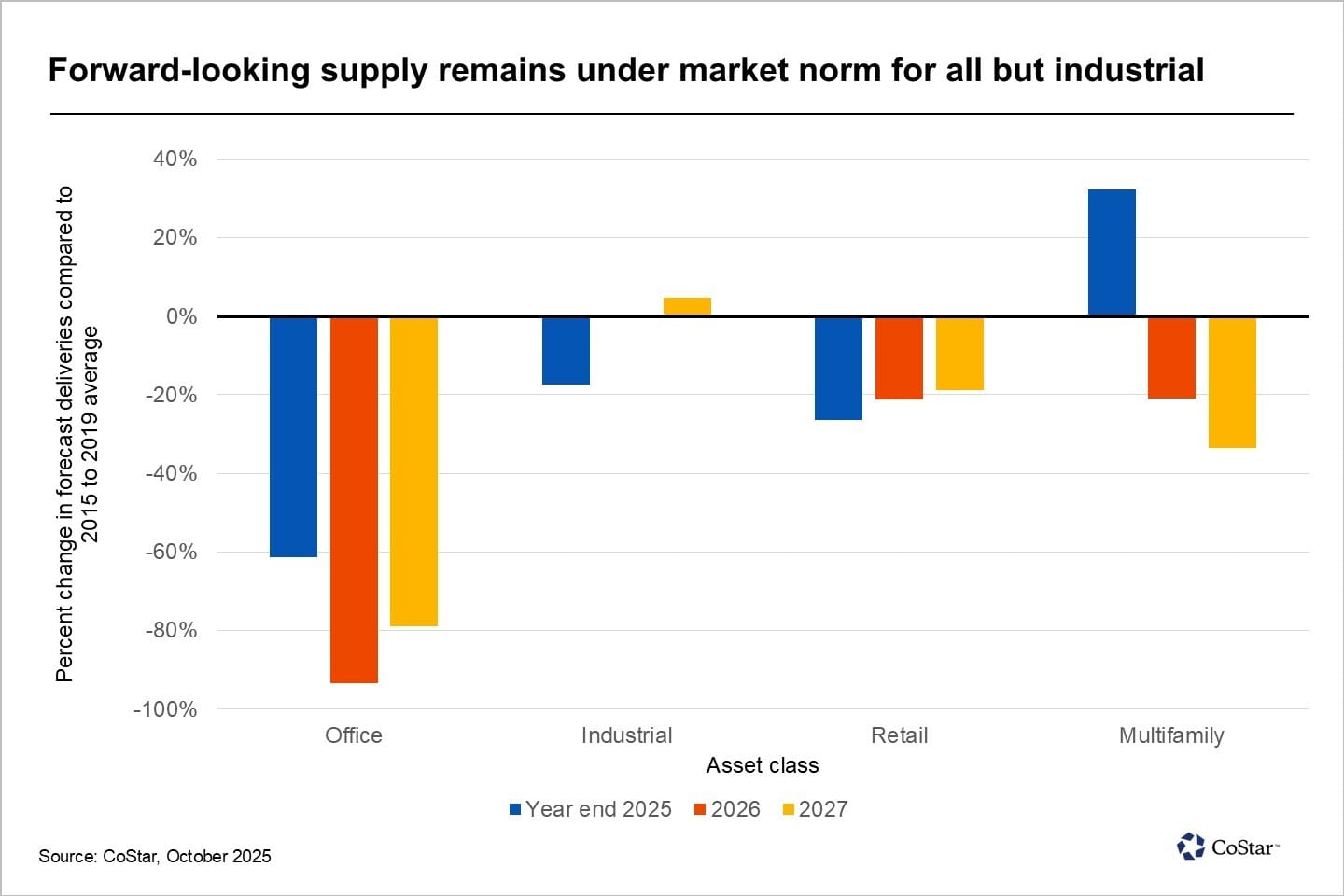
The DFW market is transitioning into a new construction phase marked by a slowdown in office development, a more selective approach to industrial projects, and an evolving housing landscape shaped by affordability and population growth. Developers are recalibrating their priorities, and for real estate professionals, understanding these shifts offers a critical edge in navigating—and capitalizing on—the next phase of the metroplex’s growth.
A new federal lawsuit claims Zillow pushed homebuyers toward Zillow Home Loans by rewarding affiliated agents with valuable leads — all without proper disclosure. The suit alleges undisclosed incentives, referral quotas, and potential RESPA violations, raising major concerns about steering, fiduciary duties, and Zillow’s expanding mortgage ambitions.
The mortgage industry is evolving fast, and the lenders who come out on top will be those who innovate without uprooting what already works. By building on strong technology foundations, streamlining workflows and adopting smart automation, lenders can reduce costs, improve customer experience and stay resilient in any market cycle. This article breaks down why innovation matters now, how a stable tech ecosystem protects lenders in volatile conditions and why small, strategic steps can drive long-term transformation.