Florida’s Sky-High Homeowners Insurance: Are We Entering a “New Normal”?
Florida homeowners have been holding their breath for years as insurance rates climbed higher and higher. Recently, Gov. Ron DeSantis and Insurance Commissioner Mike Yaworsky celebrated what they described as major progress in stabilizing premiums. But many Floridians are asking a fair question: If this is victory, why does it still feel so expensive?
According to experienced voices on the Treasure Coast, the answer isn’t simple. Rates may have stopped exploding, but they’ve settled onto a painfully high plateau—one that continues to keep Florida in the spotlight as the most expensive insurance market in the country.
The “New Norm”? Local Experts Weigh In
Harry Howle, insurance broker, real estate agent, and former City of Vero Beach mayor, describes today’s rates bluntly: “Once the cost of insurance is raised, overall, it seems to become the new norm.”
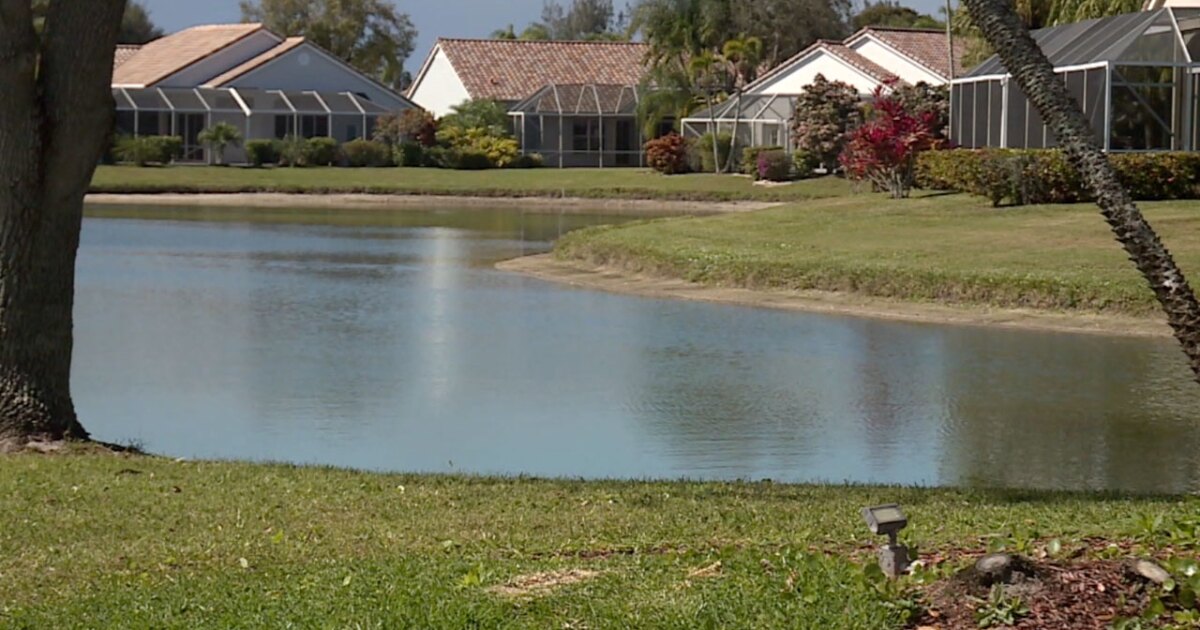
Homes in the beachside 32963 ZIP code remain especially challenging. Despite new insurers reentering Florida, many still refuse to write policies near the coast after years of catastrophic storm losses.
Tap to reveal: Why insurers are still nervous about Florida’s coastline.
Howle notes that while some policyholders are finally seeing minor adjustments—both increases and decreases—none of these changes are dramatic. Compared to the double or quadruple jumps in previous years, even a small shift feels like relief.
“I’d like to see more competition enter the state,” he said. “But I’ll take what I can get today.”
Older Homes Hit the Hardest
If your property was built decades ago or sits close to the water, brace yourself. Older, high‑value homes continue to see gradual but steady increases, even as statewide averages level out.
That’s partly because insurers now demand expensive upgrades—sometimes to systems that seem to be in perfectly good working order. Roofs, plumbing, electrical components… nothing escapes scrutiny.
Interactive Insight: Insurance companies now inspect everything—roof age, wiring, water heaters, breaker boxes, and more.
Howle refers to the process as “endless insurance inspections.” And even after all of them, homeowners may receive wildly varying quotes from different insurers.
Real Numbers: Beach vs. Mainland
Consider how drastically location and age can affect your premium:
• A $750,000 home built in 1970 on the beach: $8,200 per year
• An $820,000 home built in 2020 on the mainland: $3,200 per year
Another comparison:
• A 1991 beachside home with $1.4M replacement cost: $15,000 per year
• A $900,000 mainland home built in 2019: $2,600 per year
The numbers speak for themselves.
Lawmakers Push for More Transparency
Frustrated by persistently high rates, several Florida lawmakers are introducing new reforms. One bill targets “excess profits,” requiring insurers to publicly show the financials behind their rates—something currently shielded from public record requirements.
Another proposal would force insurers to break down cost factors behind every premium, giving homeowners a clearer picture of where their money actually goes. Insurers argue this data is proprietary—a “trade secret.”
Explore: How transparency laws could change insurance—and your wallet.
What This Means for Florida’s Real Estate Professionals
For agents, brokers, and aspiring professionals—especially those pursuing or renewing a license through Cameron Academy—understanding Florida’s insurance landscape is crucial. Buyers today are more informed and more cautious, and insurance premiums often make or break a deal.
Whether you’re entering the real estate field, renewing your mortgage or insurance license, or completing continuing education, staying informed helps you guide clients with confidence in a constantly changing market.
Getting licensed or staying ahead in your career can be a journey—but it doesn’t have to be overwhelming. Grab your favorite coffee or tea, take a moment to relax, and browse through our articles. Whether you’re just starting out or renewing your expertise, we’ve got tips, insights, and advice to keep you moving forward. Here’s to your success—one sip and one step at a time!
The Western U.S. commercial real estate sector is gearing up for a pivotal year in 2026, with new forecasts from Kidder Mathews showing steady economic growth, moderating inflation, and improving fundamentals across office, industrial, retail, and multifamily markets. From slow but stabilizing office recovery to strong retail performance and tightening industrial demand, the region is entering a period of rebalancing that presents fresh opportunities for real estate and related professionals.
A delayed federal jobs report has pushed ADP’s data into the spotlight, revealing that private employers added just 22,000 jobs in January — far below expectations. Revised December numbers and ongoing declines in key sectors like professional services and manufacturing point to a cooling labor market heading into 2025. While wage growth remains steady, uneven job creation across regions and industries is raising new questions about future interest‑rate cuts and what this shifting economy means for professionals in fields like real estate, mortgage, insurance, and finance.
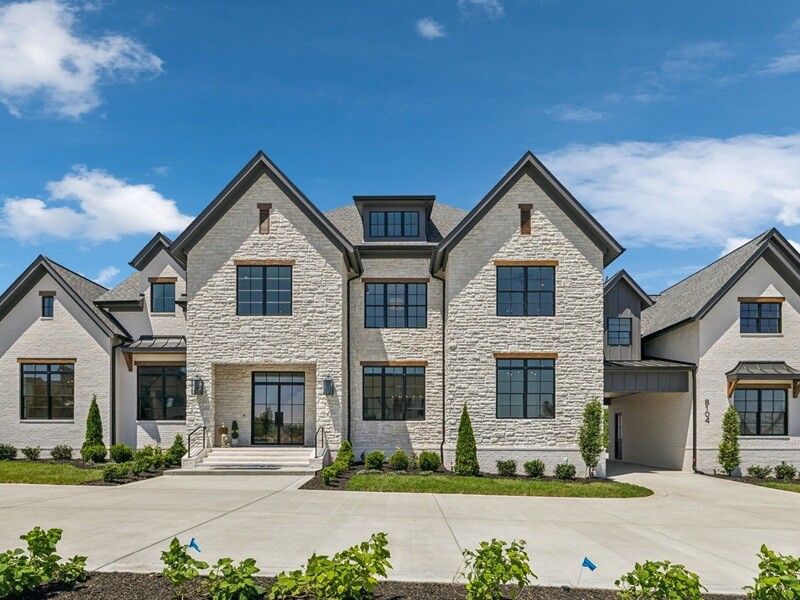
Nashville’s booming tech-driven population is transforming luxury real estate, making smart technology and eco‑friendly design the new standard. From AI‑powered adaptive living and advanced security systems to high‑efficiency construction and green incentives, the city’s top communities—Brentwood, Franklin, and Nolensville—are leading a movement toward intelligent, energy‑saving homes that offer long‑term value and modern comfort.
Florida legislators have confirmed that no new insurance relief is coming in 2026, leaving homeowners to grapple with rising premiums and shrinking options. While Republican leaders argue that past reforms simply need more time to stabilize the market, Democrats are pushing for immediate action as families across the state feel the financial strain. With insurance changes off the table, lawmakers are shifting their focus to property tax relief—creating important ripple effects for real estate, mortgage, and insurance professionals watching the market closely.
A new CBRE survey reveals that 2026 is shaping up to be a bullish year for commercial real estate, with most investors planning to expand their portfolios. Dallas secures the top spot for the fifth year in a row, but Southeast metros like Atlanta, Miami, Tampa, and Charlotte are rapidly gaining ground thanks to population growth, strong job creation, and resilient demand in sectors like tech, logistics, and healthcare.
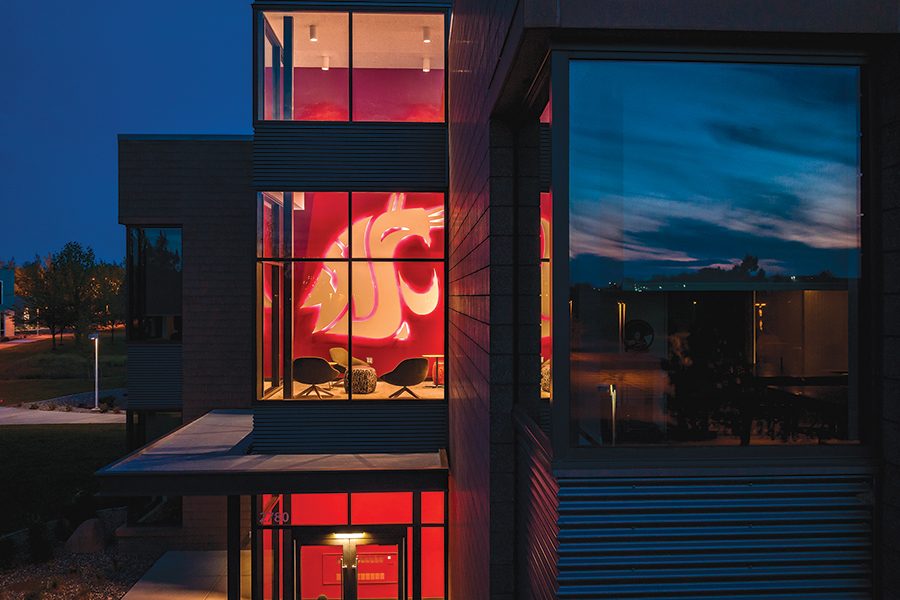
Washington State University’s Carson College of Business has introduced Carson Pro, a flexible online platform offering non‑credit certificates in finance, management, marketing, accounting, and specialty fields like the business of aging and wine business management. Designed for working professionals seeking practical, career-ready skills or a complete career reset, the program reflects a nationwide shift toward continuous learning as industries—from real estate to finance—evolve at a rapid pace.