Florida’s Sky-High Homeowners Insurance: Are We Entering a “New Normal”?
Florida homeowners have been holding their breath for years as insurance rates climbed higher and higher. Recently, Gov. Ron DeSantis and Insurance Commissioner Mike Yaworsky celebrated what they described as major progress in stabilizing premiums. But many Floridians are asking a fair question: If this is victory, why does it still feel so expensive?
According to experienced voices on the Treasure Coast, the answer isn’t simple. Rates may have stopped exploding, but they’ve settled onto a painfully high plateau—one that continues to keep Florida in the spotlight as the most expensive insurance market in the country.
The “New Norm”? Local Experts Weigh In
Harry Howle, insurance broker, real estate agent, and former City of Vero Beach mayor, describes today’s rates bluntly: “Once the cost of insurance is raised, overall, it seems to become the new norm.”
Homes in the beachside 32963 ZIP code remain especially challenging. Despite new insurers reentering Florida, many still refuse to write policies near the coast after years of catastrophic storm losses.
Tap to reveal: Why insurers are still nervous about Florida’s coastline.
Howle notes that while some policyholders are finally seeing minor adjustments—both increases and decreases—none of these changes are dramatic. Compared to the double or quadruple jumps in previous years, even a small shift feels like relief.
“I’d like to see more competition enter the state,” he said. “But I’ll take what I can get today.”
Older Homes Hit the Hardest
If your property was built decades ago or sits close to the water, brace yourself. Older, high‑value homes continue to see gradual but steady increases, even as statewide averages level out.
That’s partly because insurers now demand expensive upgrades—sometimes to systems that seem to be in perfectly good working order. Roofs, plumbing, electrical components… nothing escapes scrutiny.
Interactive Insight: Insurance companies now inspect everything—roof age, wiring, water heaters, breaker boxes, and more.
Howle refers to the process as “endless insurance inspections.” And even after all of them, homeowners may receive wildly varying quotes from different insurers.
Real Numbers: Beach vs. Mainland
Consider how drastically location and age can affect your premium:
• A $750,000 home built in 1970 on the beach: $8,200 per year
• An $820,000 home built in 2020 on the mainland: $3,200 per year
Another comparison:
• A 1991 beachside home with $1.4M replacement cost: $15,000 per year
• A $900,000 mainland home built in 2019: $2,600 per year
The numbers speak for themselves.
Lawmakers Push for More Transparency
Frustrated by persistently high rates, several Florida lawmakers are introducing new reforms. One bill targets “excess profits,” requiring insurers to publicly show the financials behind their rates—something currently shielded from public record requirements.
Another proposal would force insurers to break down cost factors behind every premium, giving homeowners a clearer picture of where their money actually goes. Insurers argue this data is proprietary—a “trade secret.”
Explore: How transparency laws could change insurance—and your wallet.
What This Means for Florida’s Real Estate Professionals
For agents, brokers, and aspiring professionals—especially those pursuing or renewing a license through Cameron Academy—understanding Florida’s insurance landscape is crucial. Buyers today are more informed and more cautious, and insurance premiums often make or break a deal.
Whether you’re entering the real estate field, renewing your mortgage or insurance license, or completing continuing education, staying informed helps you guide clients with confidence in a constantly changing market.
Getting licensed or staying ahead in your career can be a journey—but it doesn’t have to be overwhelming. Grab your favorite coffee or tea, take a moment to relax, and browse through our articles. Whether you’re just starting out or renewing your expertise, we’ve got tips, insights, and advice to keep you moving forward. Here’s to your success—one sip and one step at a time!
After nearly 20 years under uniquely harsh lending rules, Florida may finally see its condo market freed from a 25% down payment requirement imposed only on the state. Industry leaders say Fannie Mae could announce changes as early as December—potentially restoring the standard 10% down payment used everywhere else in the country. Experts believe the shift would boost maintenance funding, improve affordability, and stabilize Florida’s condo market after years of strain.
Phoenix’s commercial real estate market is shaking off years of uncertainty as broker optimism hits its highest level since interest rates began climbing. The latest ASU Commercial Broker Sentiment Index soared to 62.7, signaling strong confidence across multifamily, retail, office, and capital markets. With population growth accelerating, interest rates easing, and AI boosting industry efficiency, Phoenix is positioning itself for a powerful run into 2026—offering meaningful opportunities for both new and seasoned real estate professionals.
Michigan’s House Rules Committee heard testimony on a proposal that would let licensed professionals complete all required continuing education online. Supporters say the change would modernize outdated rules, reduce costs, and improve access for rural and busy workers. The state licensing department backs the measure, and lawmakers noted it could reshape CE options across industries from real estate to insurance and healthcare.
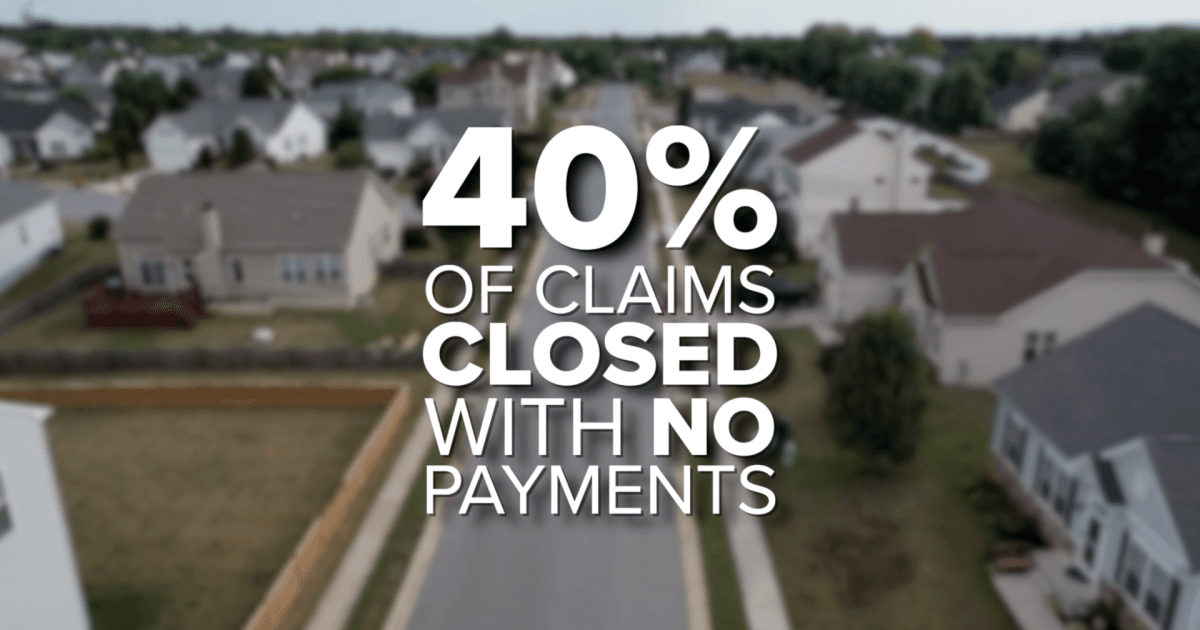
Florida homeowners are now paying an average of $5,838 per year for insurance — nearly $3,000 above the national average — making it one of the most expensive states in the country. As premiums continue to triple for some residents, many are being forced into tough decisions, from delaying home improvements to dropping coverage altogether. With more than 40% of claims closed with no payment and lawmakers pushing for aggressive reforms, the crisis is reshaping Florida’s housing market and placing growing pressure on real estate, mortgage, and insurance professionals statewide.
Griffin Funding has elevated John Jones to Senior Vice President of Growth and EOS Integrator, marking a major step in the company’s long-term expansion strategy. Already a key operational leader since April 2025, Jones will now drive performance optimization, market expansion, and leadership development as the lender pursues an ambitious goal of reaching $3 billion in annual non-QM loan volume by 2030. His promotion underscores Griffin Funding’s commitment to scaling strategically while strengthening its position in the fast-growing non-QM space.
Despite recent Federal Reserve rate cuts, commercial real estate remains frozen. Long‑term Treasury yields continue to climb, keeping borrowing costs high and preventing the relief investors expected. With nearly $1 trillion in commercial loans coming due, refinancing at today’s elevated rates is squeezing owners, slowing transactions, and creating a widening gap between buyers and sellers. For patient, well‑capitalized investors, this period of recalibration may offer some of the strongest opportunities in years.