Florida’s Sky-High Homeowners Insurance: Are We Entering a “New Normal”?
Florida homeowners have been holding their breath for years as insurance rates climbed higher and higher. Recently, Gov. Ron DeSantis and Insurance Commissioner Mike Yaworsky celebrated what they described as major progress in stabilizing premiums. But many Floridians are asking a fair question: If this is victory, why does it still feel so expensive?
According to experienced voices on the Treasure Coast, the answer isn’t simple. Rates may have stopped exploding, but they’ve settled onto a painfully high plateau—one that continues to keep Florida in the spotlight as the most expensive insurance market in the country.
The “New Norm”? Local Experts Weigh In
Harry Howle, insurance broker, real estate agent, and former City of Vero Beach mayor, describes today’s rates bluntly: “Once the cost of insurance is raised, overall, it seems to become the new norm.”
Homes in the beachside 32963 ZIP code remain especially challenging. Despite new insurers reentering Florida, many still refuse to write policies near the coast after years of catastrophic storm losses.
Tap to reveal: Why insurers are still nervous about Florida’s coastline.
Howle notes that while some policyholders are finally seeing minor adjustments—both increases and decreases—none of these changes are dramatic. Compared to the double or quadruple jumps in previous years, even a small shift feels like relief.
“I’d like to see more competition enter the state,” he said. “But I’ll take what I can get today.”
Older Homes Hit the Hardest
If your property was built decades ago or sits close to the water, brace yourself. Older, high‑value homes continue to see gradual but steady increases, even as statewide averages level out.
That’s partly because insurers now demand expensive upgrades—sometimes to systems that seem to be in perfectly good working order. Roofs, plumbing, electrical components… nothing escapes scrutiny.
Interactive Insight: Insurance companies now inspect everything—roof age, wiring, water heaters, breaker boxes, and more.
Howle refers to the process as “endless insurance inspections.” And even after all of them, homeowners may receive wildly varying quotes from different insurers.
Real Numbers: Beach vs. Mainland
Consider how drastically location and age can affect your premium:
• A $750,000 home built in 1970 on the beach: $8,200 per year
• An $820,000 home built in 2020 on the mainland: $3,200 per year
Another comparison:
• A 1991 beachside home with $1.4M replacement cost: $15,000 per year
• A $900,000 mainland home built in 2019: $2,600 per year
The numbers speak for themselves.
Lawmakers Push for More Transparency
Frustrated by persistently high rates, several Florida lawmakers are introducing new reforms. One bill targets “excess profits,” requiring insurers to publicly show the financials behind their rates—something currently shielded from public record requirements.
Another proposal would force insurers to break down cost factors behind every premium, giving homeowners a clearer picture of where their money actually goes. Insurers argue this data is proprietary—a “trade secret.”
Explore: How transparency laws could change insurance—and your wallet.
What This Means for Florida’s Real Estate Professionals
For agents, brokers, and aspiring professionals—especially those pursuing or renewing a license through Cameron Academy—understanding Florida’s insurance landscape is crucial. Buyers today are more informed and more cautious, and insurance premiums often make or break a deal.
Whether you’re entering the real estate field, renewing your mortgage or insurance license, or completing continuing education, staying informed helps you guide clients with confidence in a constantly changing market.
Getting licensed or staying ahead in your career can be a journey—but it doesn’t have to be overwhelming. Grab your favorite coffee or tea, take a moment to relax, and browse through our articles. Whether you’re just starting out or renewing your expertise, we’ve got tips, insights, and advice to keep you moving forward. Here’s to your success—one sip and one step at a time!
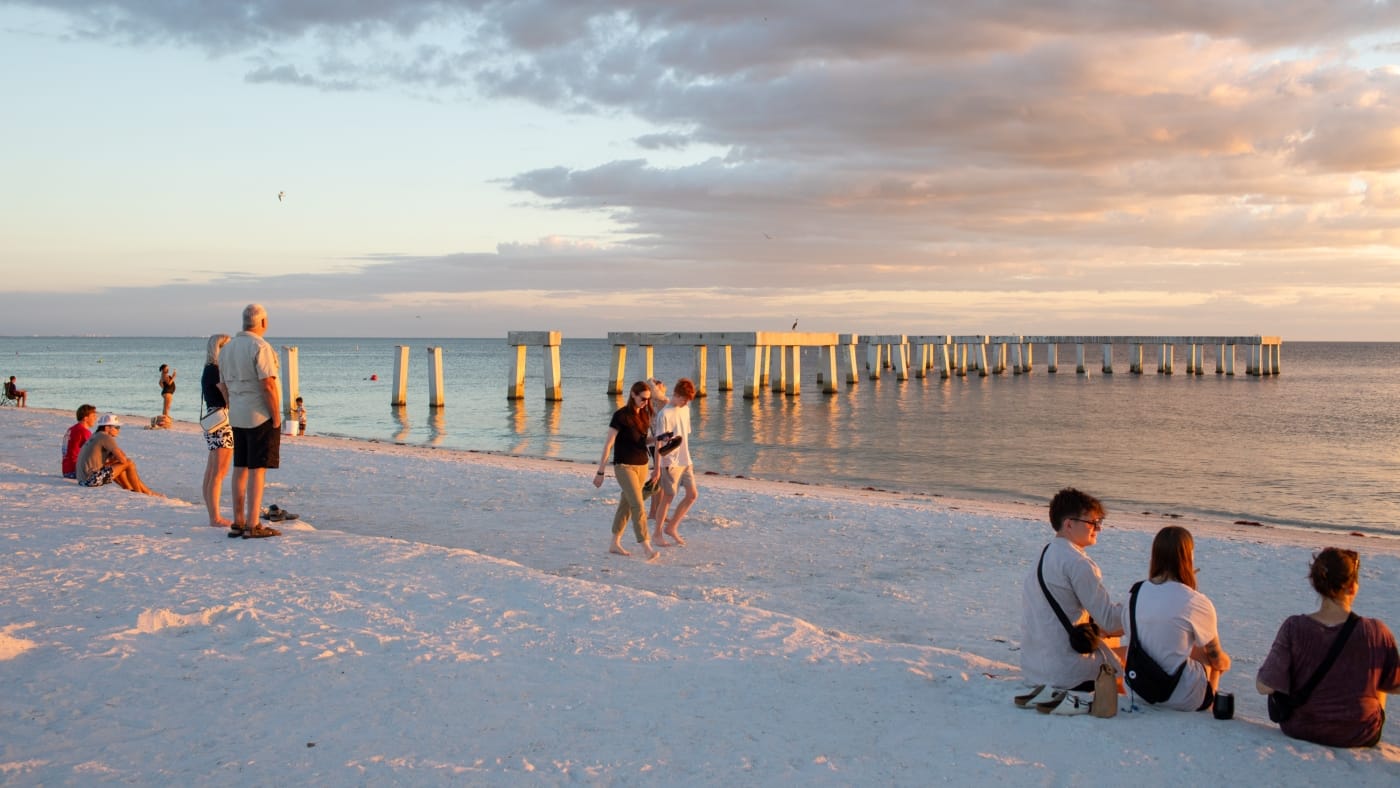
Fort Myers Beach is becoming the front line of a new Florida—one shaped by hurricane devastation, soaring insurance premiums, and rapid gentrification. Three years after Hurricane Ian, residents are still battling massive rebuilding costs and insurance bills that now exceed $5,700 a year on average, with flood insurance reaching $10,000 for some families. Long-time locals, small businesses, and service workers are being priced out as wealthy investors move in, transforming once-affordable coastal communities. Real estate professionals warn that foreclosures may rise if economic pressures continue, signaling a pivotal moment for Florida’s housing market and the professionals who serve it.
Economic uncertainty, AI disruption, slowing population growth, and rising portfolio risk are reshaping commercial real estate heading into 2026. A new report unveiled at NAR NXT highlights the forces that will reward informed professionals — and challenge those who aren’t prepared. From fiscal policy and shifting capital flows to tech transformation and housing shortages, the landscape is evolving fast. Cameron Academy breaks down the key issues so real estate, mortgage, finance, and insurance professionals can stay ahead of the curve.
A sudden federal shutdown of FEMA’s BRIC resiliency program has left cities and commercial property owners scrambling, exposing billions in real estate to rising climate threats. With nearly a billion dollars in mitigation funding clawed back and extreme weather intensifying, insurance premiums are expected to surge and coverage may shrink — placing new pressure on markets like Florida and New York.
A new Florida Senate bill aims to stop cities and counties from blocking residential developments over vague “compatibility” concerns. Supporters say the measure would speed up homebuilding and ease housing shortages, while opponents argue it strips communities of essential oversight and could accelerate growth without proper planning. The proposal could reshape development timelines and land-use decisions statewide, making it a major issue for real estate professionals to watch.
Cape Coral–Fort Myers has officially moved into buyer-friendly territory, with homes now sitting a median 119 days on the market—far longer than both the Florida and U.S. averages. Rising inventory, a 36.9 percent price‑reduction rate, and slower absorption compared to accumulated supply are giving buyers more leverage and time to negotiate, signaling a meaningful reset in this once‑fast‑moving Florida market.
Kansas City’s commercial real estate sector is finally turning a corner after several years of sluggish activity. Retail is leading the rebound, while multifamily and industrial properties are gaining traction as pricing stabilizes and buyer confidence returns. A standout 2025 transaction—the sale of the 380‑unit Cyan Southcreek community—signals that capital is flowing back into the market. With bid‑ask spreads tightening and investor optimism rising, Kansas City is entering a period of renewed opportunity for real estate professionals and investors alike.


 Florida’s Middle Class Is Being Squeezed Out: Insurance Costs, Rebuilding Struggles, and a Changing Coastline Gallery