Florida Homeowners Face Soaring Insurance Premiums — And a New Push for Reform
Florida homeowners are waking up to a reality that feels less like sunshine and more like sticker shock. New findings from WPTV News Channel 5 reveal what many Floridians already feel in their wallets: insurance premiums here are among the highest in the nation.
A recent Bankrate report found the average Florida homeowner pays $5,838 per year in premiums — roughly $3,000 more than the national average. This positions Florida in the top three most expensive states for homeowners insurance.
‘Everything’s Tripled’ — What Homeowners Told WPTV
For residents like West Palm Beach homeowner Jeff Heun, these aren’t just statistics — they’re life-altering numbers. He told WPTV that his insurance once cost $3,400, but increases have tripled that amount. Filing a claim, he said, would have doubled his premium.
“Do something,” Heun urged state leaders.
Another homeowner explained that mandatory wind coverage and rising costs were stretching his budget to its limits. Others have taken a more extreme route — skipping homeowners insurance entirely and saving the money instead, a risky gamble in a storm-heavy state.
When Claims Are Filed, Many Say They Don’t Get Paid
Some residents who do rely on their policies after disasters say payouts fall drastically short. In Loxahatchee, Bob and Pam Fix suffered more than $40,000 in tornado damage. Their insurer initially offered only $4,500 — later bumped to $7,000 — but it took WPTV reporter Kate Hussey’s investigative work for the Fix family to finally secure the $41,000 they needed.
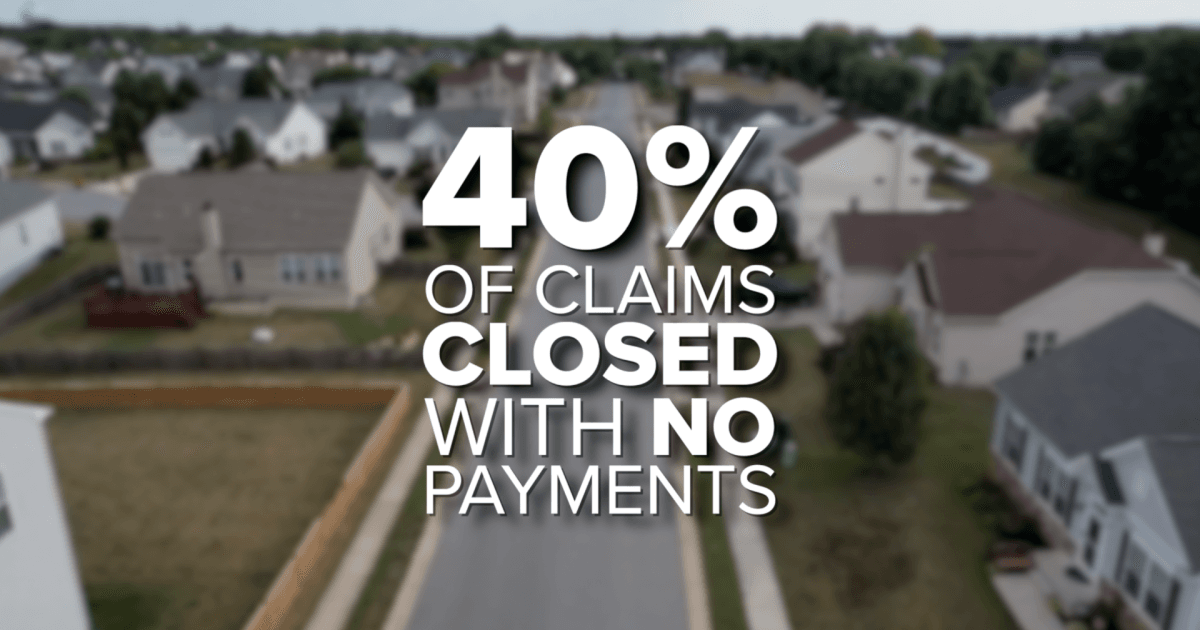
And this problem isn’t rare. More than 40% of Florida insurance claims are closed with no payment, making Florida one of the worst states nationwide for denied claims.
Lawmakers Push for More Transparency and Accountability
Financial analyst Dr. Martin Weiss — founder of Weiss Ratings — and Florida State Senator Carlos Guillermo Smith are advocating for changes through the Insurance Fairness Project and Unlocking America’s Future.
Sen. Smith argues that inflated fees and a lack of industry transparency are major drivers behind rising premiums:
“Floridians cannot afford to pay the highest property insurance premiums in the nation simply to pad the pockets of affiliates who have dodged accountability for too long.”
The challenge? Florida’s supermajority Republican legislature. Democratic leaders backing the reforms admit they are “throwing everything at the wall to see what sticks,” hoping a broad agenda sparks long-overdue debate in Tallahassee.
Proposals now gaining traction include:
Caps on rate increases above 10–15%
Removing taxes on impact-resistant doors, windows, and garage doors
Incentives for homeowners to storm‑proof their homes, potentially lowering future premiums
What This Means for Florida’s Professionals and Future Homeowners
The ripple effect reaches far beyond homeowners — it touches real estate professionals, mortgage brokers, insurance agents, and anyone shaping Florida’s housing landscape. High premiums influence buying trends, affordability, inventory, and even migration patterns.
For those working toward or renewing their professional licenses, understanding insurance trends is no longer optional. At Cameron Academy, we help Florida’s future agents, brokers, adjusters, and inspectors stay skilled, confident, and informed in a swiftly changing market.
What Comes Next?
As lawmakers prepare for heated debates in the upcoming legislative session, homeowners statewide are hoping for meaningful reform. Whether those changes pass — or stall — one thing is clear: Florida’s insurance crisis is reaching a pressure point.
The question now is whether leaders will act before another hurricane season tightens the squeeze on families and the housing market alike.
Getting licensed or staying ahead in your career can be a journey—but it doesn’t have to be overwhelming. Grab your favorite coffee or tea, take a moment to relax, and browse through our articles. Whether you’re just starting out or renewing your expertise, we’ve got tips, insights, and advice to keep you moving forward. Here’s to your success—one sip and one step at a time!
A fast‑growing Israeli startup called Agora is reshaping how real estate investment firms operate by replacing outdated spreadsheets and scattered emails with a seamless digital platform. Built by former military intelligence technologists, Agora centralizes investor onboarding, reporting, financial tracking and communication—giving firms a modern backbone for managing complex portfolios. As proptech adoption accelerates worldwide, understanding tools like Agora is becoming essential knowledge for new and seasoned real estate professionals alike.
Canada remains one of the fastest and most accessible places to launch a real estate career, with no university degree required and most provinces offering licensing timelines under a year. This guide breaks down every major step—eligibility, education, exams, brokerage registration, and income expectations—while comparing requirements across Ontario, BC, Alberta, and Quebec. It also highlights what truly separates successful agents from those who leave the profession: consistent prospecting, strong preparation, and long-term discipline.
The 2026 housing market is starting off with colder-than-usual activity but warmer opportunities for buyers. Mortgage rates have dipped nearly a full percentage point from last year, inventory is slowly increasing, and competition is easing just enough to give buyers more leverage. While prices are still rising, the pace has cooled, and motivated sellers are becoming more flexible. Whether you're planning to buy or preparing clients as a real estate professional, the key message remains the same: the right time to purchase depends far more on your financial readiness than on headline noise.
More landlords than ever are turning to LLCs to protect their assets, streamline operations, and unlock tax advantages. An LLC can separate your personal finances from your rental business, provide liability protection, and offer valuable tax benefits. This article breaks down what LLCs do for landlords, how they affect taxes, the benefits they bring, and the best practices for setting one up in 2025—giving real estate professionals and investors a clear, practical guide for making the right decision.
Florida lawmakers have approved Sen. Joe Gruters proposal to push more commercial properties from Citizens Property Insurance into the private market. The bill tightens eligibility rules, expands the clearinghouse process, and could shift about 25 billion dollars in risk to private carriers. Supporters say the change reduces taxpayer exposure after major storms, while opponents worry about relying more on the less-regulated surplus lines market. The measure now heads to Gov. Ron DeSantis for final approval.
Wire fraud has evolved into a major danger for Florida real estate transactions, with criminals hijacking email accounts, impersonating buyers and sellers, and creating fake title company websites. First‑time buyers are especially vulnerable, and losses often occur right before closing when emotions are high. Experts warn that nearly all wire fraud can be prevented with proper verification, secure communication, and professional training—making education a critical defense for today’s real estate professionals.