Florida Homeowners Face Soaring Insurance Premiums — And a New Push for Reform
Florida homeowners are waking up to a reality that feels less like sunshine and more like sticker shock. New findings from WPTV News Channel 5 reveal what many Floridians already feel in their wallets: insurance premiums here are among the highest in the nation.
A recent Bankrate report found the average Florida homeowner pays $5,838 per year in premiums — roughly $3,000 more than the national average. This positions Florida in the top three most expensive states for homeowners insurance.
‘Everything’s Tripled’ — What Homeowners Told WPTV
For residents like West Palm Beach homeowner Jeff Heun, these aren’t just statistics — they’re life-altering numbers. He told WPTV that his insurance once cost $3,400, but increases have tripled that amount. Filing a claim, he said, would have doubled his premium.
“Do something,” Heun urged state leaders.
Another homeowner explained that mandatory wind coverage and rising costs were stretching his budget to its limits. Others have taken a more extreme route — skipping homeowners insurance entirely and saving the money instead, a risky gamble in a storm-heavy state.
When Claims Are Filed, Many Say They Don’t Get Paid
Some residents who do rely on their policies after disasters say payouts fall drastically short. In Loxahatchee, Bob and Pam Fix suffered more than $40,000 in tornado damage. Their insurer initially offered only $4,500 — later bumped to $7,000 — but it took WPTV reporter Kate Hussey’s investigative work for the Fix family to finally secure the $41,000 they needed.
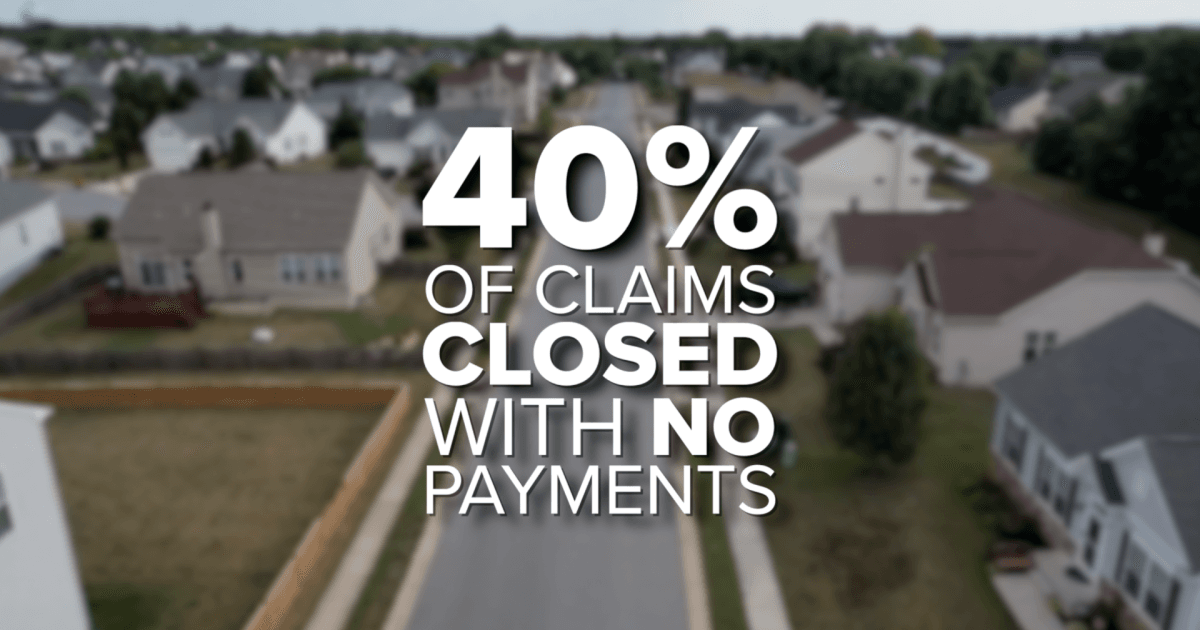
And this problem isn’t rare. More than 40% of Florida insurance claims are closed with no payment, making Florida one of the worst states nationwide for denied claims.
Lawmakers Push for More Transparency and Accountability
Financial analyst Dr. Martin Weiss — founder of Weiss Ratings — and Florida State Senator Carlos Guillermo Smith are advocating for changes through the Insurance Fairness Project and Unlocking America’s Future.
Sen. Smith argues that inflated fees and a lack of industry transparency are major drivers behind rising premiums:
“Floridians cannot afford to pay the highest property insurance premiums in the nation simply to pad the pockets of affiliates who have dodged accountability for too long.”
The challenge? Florida’s supermajority Republican legislature. Democratic leaders backing the reforms admit they are “throwing everything at the wall to see what sticks,” hoping a broad agenda sparks long-overdue debate in Tallahassee.
Proposals now gaining traction include:
Caps on rate increases above 10–15%
Removing taxes on impact-resistant doors, windows, and garage doors
Incentives for homeowners to storm‑proof their homes, potentially lowering future premiums
What This Means for Florida’s Professionals and Future Homeowners
The ripple effect reaches far beyond homeowners — it touches real estate professionals, mortgage brokers, insurance agents, and anyone shaping Florida’s housing landscape. High premiums influence buying trends, affordability, inventory, and even migration patterns.
For those working toward or renewing their professional licenses, understanding insurance trends is no longer optional. At Cameron Academy, we help Florida’s future agents, brokers, adjusters, and inspectors stay skilled, confident, and informed in a swiftly changing market.
What Comes Next?
As lawmakers prepare for heated debates in the upcoming legislative session, homeowners statewide are hoping for meaningful reform. Whether those changes pass — or stall — one thing is clear: Florida’s insurance crisis is reaching a pressure point.
The question now is whether leaders will act before another hurricane season tightens the squeeze on families and the housing market alike.
Select options
This product has multiple variants. The options may be chosen on the product page
Details
More Articles
Getting licensed or staying ahead in your career can be a journey—but it doesn’t have to be overwhelming. Grab your favorite coffee or tea, take a moment to relax, and browse through our articles. Whether you’re just starting out or renewing your expertise, we’ve got tips, insights, and advice to keep you moving forward. Here’s to your success—one sip and one step at a time!
The debut episode of NAR’s Change Agents podcast highlights why real estate expertise is more valuable than ever in an AI-driven world. eXp Realty CEO Leo Pareja explains that while technology accelerates communication and connections, consumers still rely on seasoned professionals to guide them through life’s biggest financial decisions. From the Everest analogy to real-world AI success stories, the conversation reveals how trust, transparency, and expert guidance remain the core of the real estate experience.
U.S. 30‑year mortgage rates have dipped to 5.98%, breaking below 6% for the first time since 2022. This third consecutive weekly decline signals a potentially energized spring buying season as lower Treasury yields and easing market anxiety push rates down. Buyers, sellers, and real estate professionals may see renewed activity as affordability slightly improves and refinancing picks up momentum.
A sweeping federal reporting requirement is about to impact how companies, trusts, investors, and even cash buyers purchase residential real estate. FinCEN’s new rule closes long‑standing loopholes that allowed anonymous all‑cash property deals, requiring many entity-based buyers to disclose their true beneficial owners. Real estate agents, brokers, and advisors should brace for workflow changes and increased compliance responsibilities, while investors are urged to review their acquisition structures now to avoid delays once the rule takes effect.
After briefly dipping below 6 percent for the first time in years, mortgage rates have surged again following U.S.-Israeli military strikes on Iran. Rising oil prices and a jump in Treasury yields have pushed the average 30-year fixed rate back to 6.12 percent, creating fresh uncertainty just as the spring housing market was gaining traction. Experts warn that continued geopolitical instability could keep rates elevated, while upcoming U.S. employment data may determine whether relief is on the horizon for buyers and sellers.
New 2026 data reveals that the average life insurance policy costs just 26 dollars a month—less than most lunch outings—making it more affordable than many professionals expect. Rates vary based on age, health, gender, smoking habits, and term length, with younger and healthier applicants paying significantly less. As real estate, mortgage, insurance, and finance professionals plan long-term financial stability, understanding these pricing factors is crucial.