Florida House Unanimously Passes HB 767, Pushing for Greater Insurance Transparency
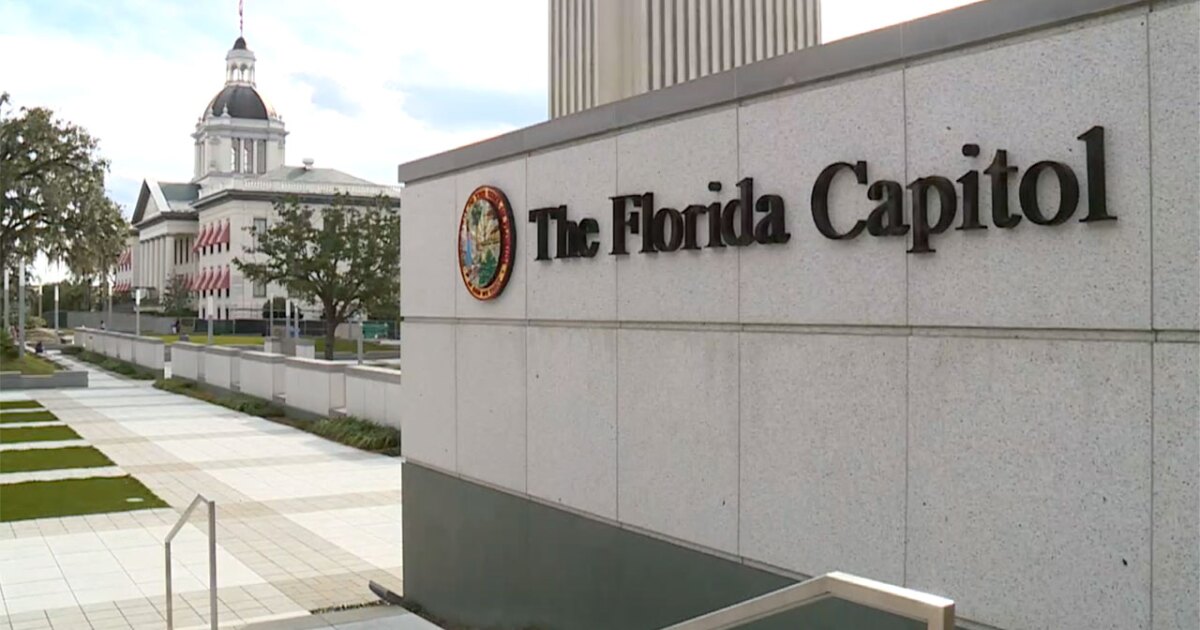
Florida homeowners may soon get a clearer look at why their insurance premiums keep climbing. Lawmakers in Tallahassee have advanced a new measure, HB 767, designed to make insurers more transparent about the numbers behind their rate increases.
A unanimous 114-0 vote in the House signals just how urgently Florida leaders want answers for frustrated homeowners.
While HB 767 does not cap premiums or limit rate hikes, it would require insurers to publicly post certain rate and premium data that is not considered a trade secret. For policyholders, this means a long-awaited opportunity to finally understand how insurers calculate the prices they charge.
What HB 767 Means for Policyholders
Rep. Yvette Benarroch of Naples, who filed the bill, emphasized that transparency is a crucial first step in rebuilding trust between Floridians, insurance companies, and state leadership.
She explained that affordability challenges continue to pressure homeowners statewide, and insurance remains a major part of the struggle. Many constituents feel left in the dark regarding premium increases. HB 767 aims to change that.
If signed into law, the newly required data would be posted on the official state insurance website, making it accessible to consumers, real estate professionals, analysts, and anyone trying to make sense of Florida’s evolving insurance landscape.
The Bill Moves to the Florida Senate
With unanimous House approval, HB 767 now moves to the Senate for further consideration. If passed, residents may soon gain a valuable tool for understanding one of the most complex and frustrating aspects of homeownership in the Sunshine State.
For professionals in real estate, insurance, and property management, staying informed is essential. Regulatory shifts like these directly affect transactions, advisement, and long-term planning.
This is why industry-focused education matters. At Cameron Academy, we provide the knowledge and flexibility professionals need to stay ahead of policy changes and market trends. Whether pursuing a real estate license, an insurance license, or continuing education, we help you build confidence and expertise that lasts throughout your career.
You can also explore the bill directly through the Florida Senate: Florida Senate: HB 767
More Articles
Getting licensed or staying ahead in your career can be a journey—but it doesn’t have to be overwhelming. Grab your favorite coffee or tea, take a moment to relax, and browse through our articles. Whether you’re just starting out or renewing your expertise, we’ve got tips, insights, and advice to keep you moving forward. Here’s to your success—one sip and one step at a time!
Tokenization has surged from crypto niche to global financial disruptor as institutions like Robinhood, BlackRock, and Coinbase race to digitize real-world assets. With pro‑crypto political momentum, shifting regulations, and private companies resisting newfound transparency, this emerging wave is transforming how investments are bought, sold, and accessed. For professionals in real estate, finance, lending, and insurance, this shift signals massive opportunity—and equally massive responsibility—as the next era of asset ownership takes shape.
Florida homeowners are finally getting relief as Citizens Property Insurance announces an average 8.7% statewide rate reduction for 2026, with South Florida seeing cuts as high as 14%. Driven by recent tort reforms and a stabilizing market, these decreases signal a major turnaround for an industry once on the brink of collapse — and a potential boost for real estate activity across the state.
After years of roller‑coaster chaos, the 2026 U.S. housing market is easing into something professionals haven’t seen in a long time: balance. Inventory growth has slowed to just 10% year over year—down sharply from 2025’s surge—signaling the end of the pandemic‑era scarcity and the rise of a market driven by real‑time demand and interest rates. With seasonal patterns returning, negotiations replacing bidding wars and rates drifting toward 6%, agents, lenders and investors are finally navigating conditions that look… normal.
More than half of Gen Z investors say they entered the stock market because of social media—not textbooks, not advisors. Viral creators, AI tools, and crypto trends are reshaping how young adults learn about money, invest early, and chase financial freedom. This Fortune‑featured shift highlights a generation determined to build wealth fast, trust digital voices over traditional institutions, and redefine financial education for the future.
After years of extremes, the U.S. housing market is shifting into a more balanced, predictable phase. Inventory growth has cooled from last year’s surge, seasonality is returning, and pricing is becoming increasingly rate‑sensitive. With mortgage rates hovering near 6% and policy changes reshaping investor participation, 2026 is emerging as a negotiation‑driven market where skilled agents, lenders, builders, and investors have a renewed advantage. This new landscape rewards strategy, education, and real‑time demand awareness—making it an ideal moment for professionals to refine their approach and capitalize on the market’s normalization.
A sudden policy shift at the start of 2026 is already pushing mortgage rates lower, dipping them under 6% for the first time in months. New projections suggest the government-sponsored enterprises’ $200 billion in mortgage‑backed securities purchases could accelerate rate declines throughout the year, boosting affordability, home sales, and overall market activity for buyers, sellers, and real estate professionals alike.