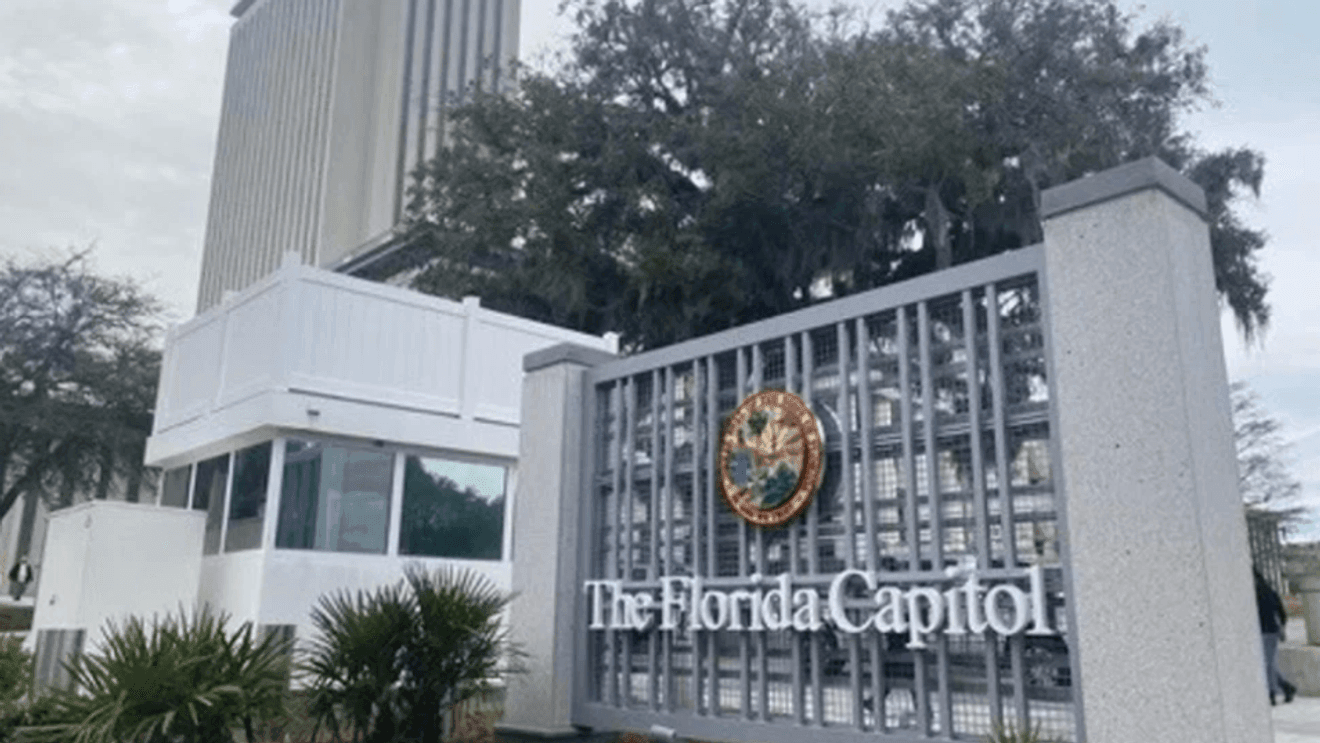
Florida’s Insurance Commissioner Asks the Question Nobody Wants:“Have You Read Your Policy?”
Florida homeowners don’t need a sleep aid—many already have a 150‑page insurance policy capable of knocking them out cold. Yet as hurricane seasons grow more unpredictable and more damaging, the fine print inside those massive policy documents has never carried greater weight.
According to a detailed report from the Herald‑Tribune, Florida Insurance Commissioner Mike Yaworsky is pushing for policy simplification after thousands of homeowners realized—far too late—that the coverage they assumed they had… they simply didn’t.
Quick Takeaways
Most Floridians haven’t read their full insurance policy (even many agents admit this).
Thousands of hurricane claims were denied due to limited coverage or missing flood insurance.
Water‑damage caps and managed repair clauses are catching homeowners by surprise.
Insurance costs remain one of the biggest concerns for Florida residents.
The Reality Behind the Fine Print
Yaworsky didn’t sugarcoat it during a Senate committee meeting: even insurance experts struggle to read policies cover‑to‑cover. If the pros are overwhelmed, what chance does the average homeowner really have?
After the 2024 hurricane season, the consequences became startlingly clear. Nearly 150,000 claims from Hurricanes Helene and Milton were closed with no payment. Many Floridians wrongly believed that hurricane insurance included flood protection—only to learn, painfully, that storm surge is not part of standard homeowners coverage.
Tap here to explore the full Herald‑Tribune investigation that inspired this article.
Why So Many Claims Get Denied
Insurance attorney Harold Levy from HL Law Group explains that homeowners often fixate on one thing: price. But a lower premium doesn’t always equal better protection. Hidden limitations—like restricted water‑damage payouts or required managed repairs—can dramatically slash reimbursement after a disaster.
For example, many homeowners discover too late that their policies cap water‑damage coverage at $10,000, despite actual repair costs running far higher. Others learn they accidentally agreed to a managed repair clause when they attempt to hire their own contractor—and can’t.
Lawmakers Have Made Progress—But Not Enough
Over the last decade, Florida lawmakers have pushed for clearer policy language, including upfront deductible disclosures. While helpful, experts say policies remain overly dense, overly technical, and filled with subtle limitations buried dozens of pages deep.
And although insurance rates have recently shown signs of stabilizing, many homeowners are still paying three to four times what they paid just six years ago, according to data from the University of North Florida’s Public Opinion Research Lab.
A Huge Opportunity for Professionals
As policies grow increasingly complex, the demand for well‑trained, well‑educated professionals in real estate, insurance, and mortgage sectors continues to surge. Consumers rely heavily on their advisors to help them navigate coverage requirements, flood risks, and policy exclusions.
For newcomers entering the field—or seasoned experts sharpening their knowledge—high‑quality education is essential.
That’s exactly where Cameron Academy shines. Offering everything from insurance pre‑licensing to advanced real‑estate continuing education, Cameron Academy equips professionals with the clarity and confidence their clients depend on.
Final Thought
Your insurance policy is more than paperwork—it’s your financial shield after a storm. Whether you’re a homeowner or an industry professional guiding others, truly understanding what’s inside those pages isn’t optional… it’s essential.
So the next time you feel tempted to skip past the fine print… maybe pause and give page three a careful read.
More Articles
Getting licensed or staying ahead in your career can be a journey—but it doesn’t have to be overwhelming. Grab your favorite coffee or tea, take a moment to relax, and browse through our articles. Whether you’re just starting out or renewing your expertise, we’ve got tips, insights, and advice to keep you moving forward. Here’s to your success—one sip and one step at a time!
After a turbulent 2025 marked by stalled construction, tight capital, and economic uncertainty, commercial real estate is finally entering a period of stabilization and early recovery. Analysts across Colliers, Cushman & Wakefield, CoStar, KBW, and Deloitte agree that 2026 brings a “new equilibrium,” with capital markets waking up, vacancies peaking, and investment activity returning. Office, industrial, retail, multifamily, and data center sectors each tell a different story—some recovering, some booming, some transforming—but all show signs of renewed momentum. For investors and professionals, 2026 offers cautious yet promising opportunities as the industry regains its footing.
Florida kicked off the new year with five impactful laws now in effect, influencing healthcare, insurance, animal welfare, and government employees statewide. From faster medical refund requirements to new pet‑insurance transparency rules and expanded benefits for state workers, these updates are already reshaping daily life and professional practices. Whether you work in real estate, insurance, healthcare, or any state‑licensed field, staying informed on these changes is essential as regulations continue to shift rapidly across Florida.
The commercial real estate market is entering 2026 with renewed momentum and long‑awaited signs of stability. Major research firms report a “new equilibrium” forming across asset classes, supported by lower interest rates, easing lending conditions, and returning investor confidence. Office vacancies are projected to improve, industrial demand remains strong despite reduced construction, and data centers continue to dominate growth. With capital markets reawakening and REITs poised for a potential breakout year, professionals who stay informed and expand their skill sets could find 2026 filled with fresh opportunity.
Mortgage rates have fallen to their lowest point since 2024, giving homebuyers a much‑needed break as 2026 begins. The average 30‑year fixed rate now sits near 6.12% to 6.15%, driven by multiple Fed rate cuts and cooling economic signals. While lower rates are boosting buyer optimism, tight inventory and the lingering lock‑in effect continue to challenge the market. This shift may open a key opportunity window for buyers— and for real estate and mortgage professionals looking to stay ahead of rapid industry changes.
Florida is gearing up for what could be its biggest property tax transformation in decades. With state leaders, including Gov. Ron DeSantis, exploring ways to reduce or even eliminate property taxes as early as 2026, homeowners and real estate professionals are bracing for major changes. While supporters argue that Florida can cut back the nearly $60 billion in annual property tax revenue without harming essential services, local officials warn the move could jeopardize police, fire, EMS, and community programs. As the debate intensifies heading into the 2026 legislative session, the future of Florida’s housing affordability and municipal funding hangs in the balance.
Florida is starting 2026 with a slate of major new laws impacting health care, insurance, real estate, consumer protection, and public safety. From free breast‑cancer diagnostic exams for state employees to new transparency rules for condo associations and stricter regulations on pet insurance, these changes will influence professionals across multiple industries. Whether you work in real estate, insurance, health services, or public policy, understanding these updates will help you stay compliant and ahead of Florida’s fast‑evolving regulatory landscape.