Florida’s Insurance Commissioner Asks the Question Nobody Wants:“Have You Read Your Policy?”
Florida homeowners don’t need a sleep aid—many already have a 150‑page insurance policy capable of knocking them out cold. Yet as hurricane seasons grow more unpredictable and more damaging, the fine print inside those massive policy documents has never carried greater weight.
According to a detailed report from the Herald‑Tribune, Florida Insurance Commissioner Mike Yaworsky is pushing for policy simplification after thousands of homeowners realized—far too late—that the coverage they assumed they had… they simply didn’t.
Quick Takeaways
Most Floridians haven’t read their full insurance policy (even many agents admit this).
Thousands of hurricane claims were denied due to limited coverage or missing flood insurance.
Water‑damage caps and managed repair clauses are catching homeowners by surprise.
Insurance costs remain one of the biggest concerns for Florida residents.
The Reality Behind the Fine Print
Yaworsky didn’t sugarcoat it during a Senate committee meeting: even insurance experts struggle to read policies cover‑to‑cover. If the pros are overwhelmed, what chance does the average homeowner really have?
After the 2024 hurricane season, the consequences became startlingly clear. Nearly 150,000 claims from Hurricanes Helene and Milton were closed with no payment. Many Floridians wrongly believed that hurricane insurance included flood protection—only to learn, painfully, that storm surge is not part of standard homeowners coverage.
Tap here to explore the full Herald‑Tribune investigation that inspired this article.
Why So Many Claims Get Denied
Insurance attorney Harold Levy from HL Law Group explains that homeowners often fixate on one thing: price. But a lower premium doesn’t always equal better protection. Hidden limitations—like restricted water‑damage payouts or required managed repairs—can dramatically slash reimbursement after a disaster.
For example, many homeowners discover too late that their policies cap water‑damage coverage at $10,000, despite actual repair costs running far higher. Others learn they accidentally agreed to a managed repair clause when they attempt to hire their own contractor—and can’t.
Lawmakers Have Made Progress—But Not Enough
Over the last decade, Florida lawmakers have pushed for clearer policy language, including upfront deductible disclosures. While helpful, experts say policies remain overly dense, overly technical, and filled with subtle limitations buried dozens of pages deep.
And although insurance rates have recently shown signs of stabilizing, many homeowners are still paying three to four times what they paid just six years ago, according to data from the University of North Florida’s Public Opinion Research Lab.
A Huge Opportunity for Professionals
As policies grow increasingly complex, the demand for well‑trained, well‑educated professionals in real estate, insurance, and mortgage sectors continues to surge. Consumers rely heavily on their advisors to help them navigate coverage requirements, flood risks, and policy exclusions.
For newcomers entering the field—or seasoned experts sharpening their knowledge—high‑quality education is essential.
That’s exactly where Cameron Academy shines. Offering everything from insurance pre‑licensing to advanced real‑estate continuing education, Cameron Academy equips professionals with the clarity and confidence their clients depend on.
Final Thought
Your insurance policy is more than paperwork—it’s your financial shield after a storm. Whether you’re a homeowner or an industry professional guiding others, truly understanding what’s inside those pages isn’t optional… it’s essential.
So the next time you feel tempted to skip past the fine print… maybe pause and give page three a careful read.
More Articles
Getting licensed or staying ahead in your career can be a journey—but it doesn’t have to be overwhelming. Grab your favorite coffee or tea, take a moment to relax, and browse through our articles. Whether you’re just starting out or renewing your expertise, we’ve got tips, insights, and advice to keep you moving forward. Here’s to your success—one sip and one step at a time!
Artificial intelligence is rapidly reshaping the mortgage industry, boosting productivity, reducing manual work, and accelerating loan closings. From automated document data extraction to AI‑generated underwriting narratives and predictive analytics, lenders are using new tools that improve accuracy and drastically speed up processing times. With chatbots, next‑gen point‑of‑sale systems, and end‑to‑end automation, preapprovals that once took days now take minutes. For mortgage and real estate professionals, mastering AI is becoming a major competitive advantage—one that defines who will thrive in the future of lending.
Florida’s property insurance rates are finally starting to drop, but many homeowners are still seeing higher monthly bills. The reason isn’t insurer price hikes—it’s soaring replacement costs driven by construction inflation, labor shortages, and rising home values. Nearly 75 percent of recent premium increases came from higher property values alone. Understanding this gap between “rates” and “premiums” helps homeowners—and real estate and insurance professionals—navigate the shifting Florida market and make smarter coverage decisions.
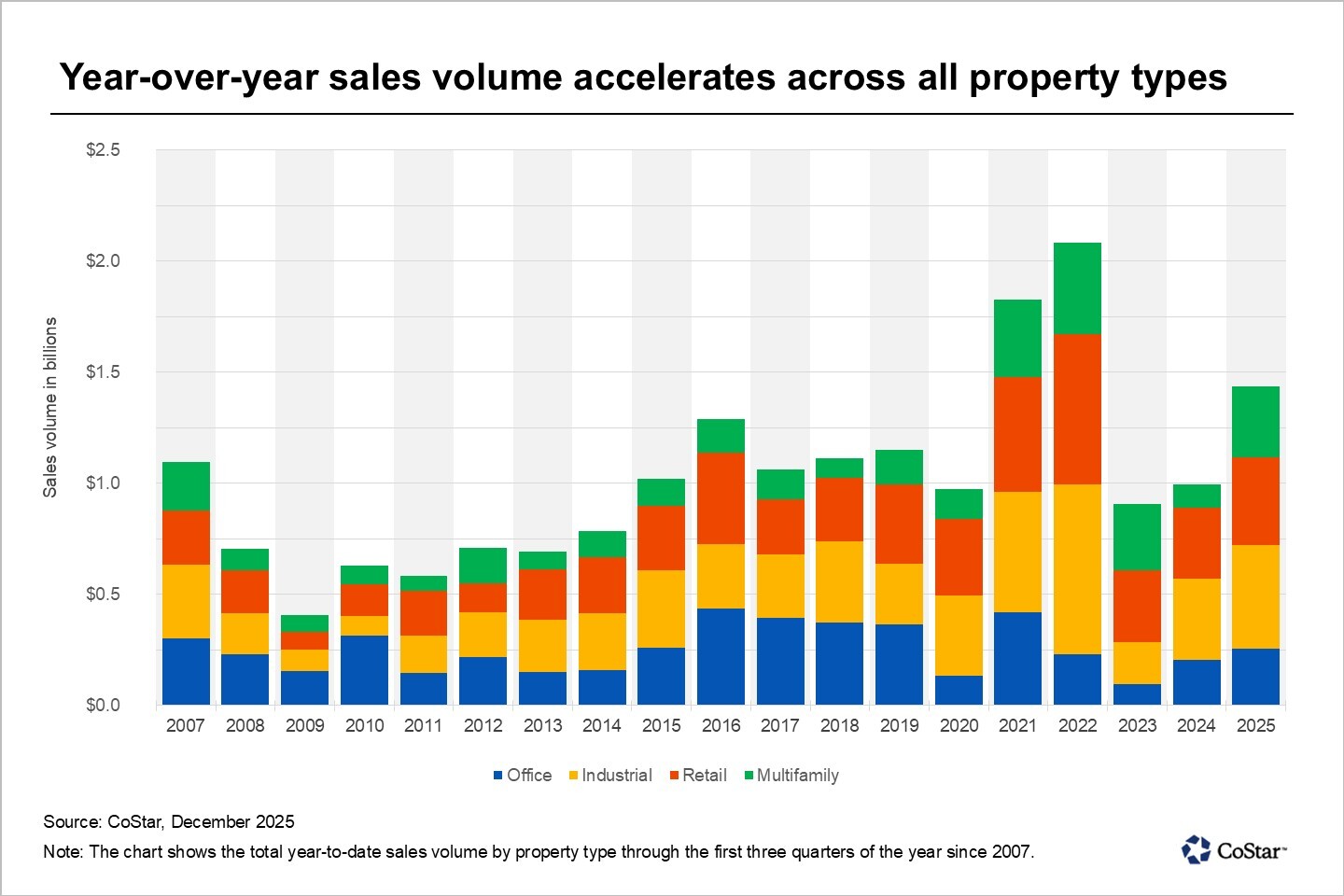
Milwaukee’s commercial real estate market is finally showing real signs of recovery, with 2025 sales volume hitting a three‑year high and investor confidence steadily returning. Driven by selective, fundamentals‑focused buying—favoring strong cash flow, quality assets, and strategic pricing—the city is moving from a period of correction into a healthier, opportunity‑rich phase. For real estate professionals nationwide, Milwaukee’s momentum reflects broader CRE market stabilization and the growing importance of disciplined underwriting and market expertise.
Industry leaders project a major surge in reverse mortgage activity heading into 2026, fueled by rising proprietary products, lender innovation, and strong investor interest. As high interest rates push originators to adopt new strategies, flexible private‑label options, senior‑focused HELOCs, and a wave of big‑capital investment are reshaping the market. With education and policy shifts poised to unlock even more demand, reverse mortgages are entering their most transformative era yet.
Experts forecast that 2026 may bring long‑awaited relief to homebuyers, with both existing and new home inventory expected to rise. NAR predicts a boost in home sales, a slight drop in mortgage rates, and a modest 4% increase in prices—conditions that could motivate more homeowners to list while builders add over a million new homes to the market. For first‑time buyers, higher loan limits and easing qualification standards may make entering the market more achievable than in recent years.
South Florida enters 2026 with renewed optimism as falling mortgage rates, improving buyer confidence, and a strong job market help stabilize a housing landscape that struggled in 2025—especially in the condo sector. While single-family homes remained resilient last year, condos faced price drops, rising fees, and hesitation tied to new safety regulations. With rates projected to fall to around 5.8% by year’s end, buying power is increasing, inventory may loosen, and activity is expected to pick up. Still, affordability challenges persist, Miami’s rental market remains intensely competitive, and the condo sector’s recovery will take time.


 The Mortgage Industry’s AI Transformation: Automation Reshapes Lending From Application to Approval Gallery