Florida Judge Orders a Restart of Citizens Insurance Arbitration — What It Means for Homeowners and Professionals

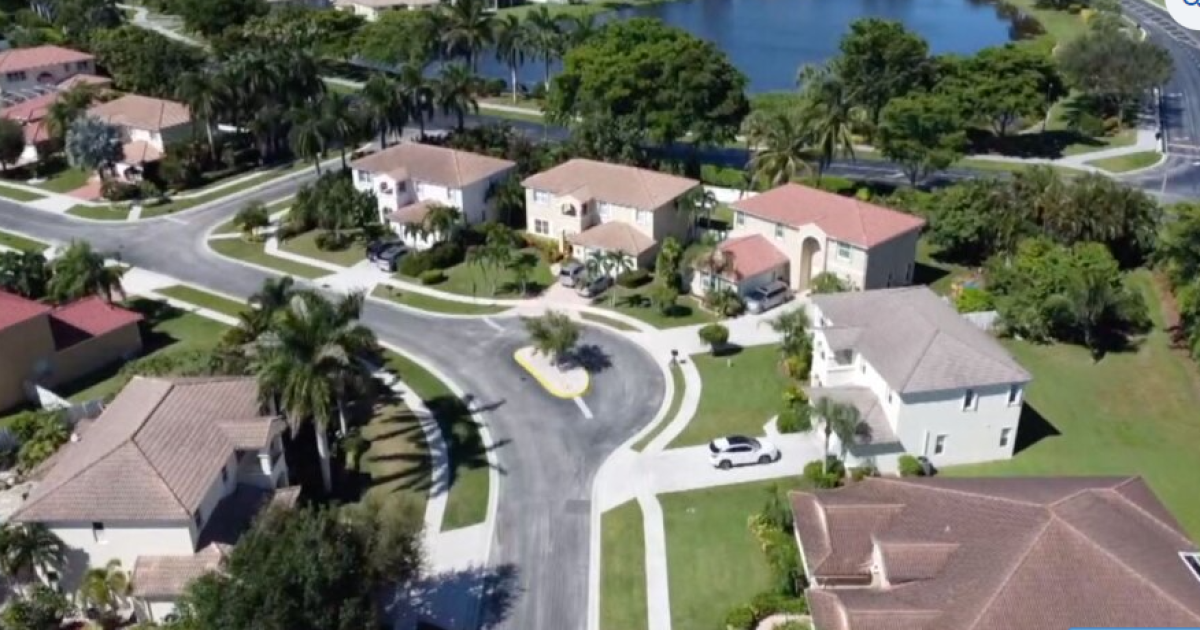
Hurricane-damaged coastal home in florida

A major legal shakeup just hit Florida’s property insurance world — and if you work in real estate, insurance, mortgage, or any property‑related profession, this ruling is one you’ll want to keep an eye on. A Leon County circuit judge has officially ordered the Florida Division of Administrative Hearings to restart arbitration for Citizens Property Insurance Corp. claims, reversing a stall that’s been in place since August.

This decision, delivered by Judge Jonathan Sjostrom, directly conflicts with an earlier injunction from Hillsborough Circuit Judge Melissa Polo, who previously ruled that the arbitration system was likely unconstitutional. And now, with more than 400 frozen cases suddenly set back into motion, Florida’s insurance landscape is heating up fast.

Why This Matters: Stability, Claims, and the Future of Florida Property Insurance

Citizens — the state’s insurer of last resort — is at the center of Florida’s ongoing insurance turbulence. As storms intensify and private carriers reduce their exposure, Citizens has become a critical safety net for many property owners.

In 2023, lawmakers granted Citizens the power to route disputes through arbitration rather than traditional courts. The intended benefits: fewer lawsuits, faster claims, and more stable premiums. But critics argue that arbitration limits crucial legal protections, including discovery, judicial review, and broader access to the courts.

Source Spotlight: Excellent coverage provided by WUSF Public Media:
Read the full WUSF article here

Two Cases, Two Policyholders, Two Courts

The Leon County ruling originates from policyholder Elmer Lombana, while the earlier Hillsborough case involved Martin Alvarez. Though separate, both challenged the same issue: whether Citizens’ arbitration mandate violates the Florida Constitution’s guarantee of access to courts.

Judge Sjostrom concluded that arbitration clauses were clearly laid out in Citizens’ policy documents and that homeowners knowingly agreed to them. He emphasized that Citizens exists solely due to legislative action — providing essential coverage to Floridians who otherwise might have none.

Judge Polo, however, found that forcing claimants into a system without full legal safeguards could result in “irreparable harm.” Her case is still under review by the 2nd District Court of Appeal, setting the stage for major statewide implications.

What Professionals Should Take Away

If you’re a Florida real estate agent, adjuster, insurance professional, mortgage expert, or property manager, this ruling signals a pivotal shift in how claims disputes could unfold. With hundreds of stalled cases moving again, clients may finally see progress — or complications — depending on future rulings.

Understanding these regulatory shifts helps you guide clients more effectively, anticipate transaction delays, and position yourself as a well‑informed professional in a rapidly changing market.

And if you’re expanding your credentials or entering a new field, now is the time to strengthen your expertise. Cameron Academy supports professionals statewide with licensing education, continuing courses, and career‑advancing programs — helping you stay competitive in this evolving environment.

The Bottom Line

With two courts issuing conflicting opinions, the future of Citizens arbitration is far from settled. But one thing is clear: the direction of Florida’s property insurance system is shifting quickly, and the professionals who stay informed will be the ones best positioned to thrive.

Stay tuned — this story is only beginning.

More Articles

Getting licensed or staying ahead in your career can be a journey—but it doesn’t have to be overwhelming. Grab your favorite coffee or tea, take a moment to relax, and browse through our articles. Whether you’re just starting out or renewing your expertise, we’ve got tips, insights, and advice to keep you moving forward. Here’s to your success—one sip and one step at a time!

Illinois Launches 2026 With 200+ New Laws Reshaping Work, Healthcare, and Education

Illinois kicked off the new year with more than 200 laws taking effect, impacting professionals across healthcare, insurance, real estate, education, and other regulated industries. From major healthcare coverage expansions to new AI hiring limits, enhanced worker protections, school safety reforms, and upgraded public‑safety standards, nearly every sector will see meaningful changes. As compliance expectations grow, institutions like Cameron Academy help professionals stay prepared and career‑ready in an evolving regulatory landscape.

Why Distressed Properties Could Become the Top Commercial Real Estate Opportunity of 2026

As commercial real estate moves beyond two turbulent years, 2026 is emerging as a year of growth for professionals who know where to look. According to First American economist Xander Snyder, the biggest wins may come not from booming sectors but from distressed properties—especially those with short‑term issues that can recover with creative financing, recapitalization, or strategic repositioning. Multifamily distress, selective office restructuring, and the rise of non‑QM lending are setting the stage for brokers, investors, and new licensees to capitalize on flexible deal‑making and evolving market conditions.

2026 Becomes America’s Housing Turning Point

Housing is taking over the national spotlight in 2026, with federal leaders, big‑city mayors, and market professionals all zeroing in on affordability, supply, and sweeping policy changes. From President Trump’s promised reform agenda to looming Section 8 funding risks and aggressive city‑level zoning overhauls, the year is shaping up to be one of the most consequential periods for real estate and related licensed professions. For agents, mortgage brokers, insurance specialists, and anyone tied to the housing ecosystem, rapid shifts in policy and market conditions make 2026 a year where preparation, education, and adaptability will be essential.

When a Familiar Voice Becomes a Perfect Fake: AI Fraud Strikes Real Estate Finance

A lender wires $4.2 million after receiving what sounded like a routine call from a borrower’s attorney—same voice, same tone, same mannerisms. By morning, the truth emerges: the email was hacked, the phone call was an AI‑generated voice clone, and the money is gone. As scammers use AI to mimic voices, emails, and documents with startling accuracy, real estate finance has become a prime target. The industry’s growing reliance on AI brings efficiency, but also dangerous new vulnerabilities, pushing regulators, insurers, and professionals to rethink verification, security, and trust itself.

Americans Are Moving Differently — And It’s Reshaping Commercial Real Estate

A new wave of migration is changing the shape of commercial real estate as Americans trade costly metros for more affordable, lifestyle-friendly regions. Smaller Southern and mid‑Atlantic markets are gaining momentum, while pandemic boom states like Florida, Texas, and Arizona are now leveling off. These shifts are influencing demand for housing, retail, office parks, warehouses, and even self‑storage, signaling both fresh opportunities and heightened caution for investors and real estate professionals.

Florida May Slash or Eliminate Property Taxes in 2026, Sparking Hope and Alarm Across the State

Florida is gearing up for a potential overhaul of its property tax system, with lawmakers pushing proposals that could dramatically reduce or even eliminate property taxes by 2026. Homeowners facing rising bills welcome the idea, but city and county leaders warn it could cripple essential services like police, fire response, and local infrastructure. As political tensions escalate — including accusations of overspending and sharp pushback from local officials — real estate professionals should prepare for major market impacts if reforms move forward.