Florida Judge Orders a Restart of Citizens Insurance Arbitration — What It Means for Homeowners and Professionals

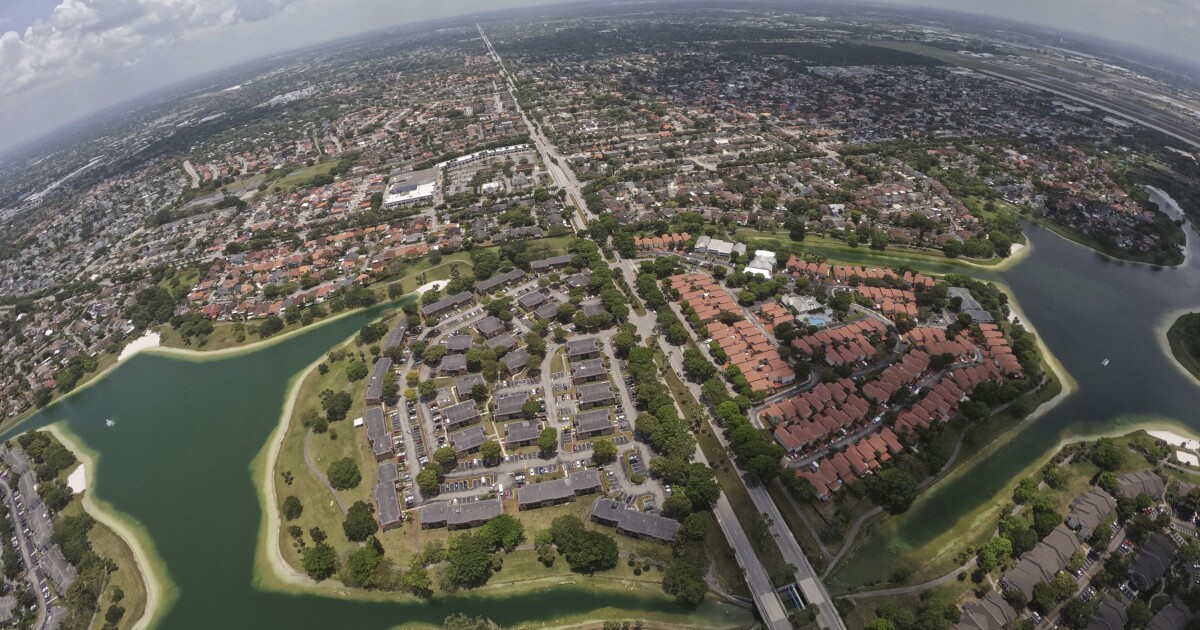
Hurricane-damaged coastal home in florida

A major legal shakeup just hit Florida’s property insurance world — and if you work in real estate, insurance, mortgage, or any property‑related profession, this ruling is one you’ll want to keep an eye on. A Leon County circuit judge has officially ordered the Florida Division of Administrative Hearings to restart arbitration for Citizens Property Insurance Corp. claims, reversing a stall that’s been in place since August.

This decision, delivered by Judge Jonathan Sjostrom, directly conflicts with an earlier injunction from Hillsborough Circuit Judge Melissa Polo, who previously ruled that the arbitration system was likely unconstitutional. And now, with more than 400 frozen cases suddenly set back into motion, Florida’s insurance landscape is heating up fast.

Why This Matters: Stability, Claims, and the Future of Florida Property Insurance

Citizens — the state’s insurer of last resort — is at the center of Florida’s ongoing insurance turbulence. As storms intensify and private carriers reduce their exposure, Citizens has become a critical safety net for many property owners.

In 2023, lawmakers granted Citizens the power to route disputes through arbitration rather than traditional courts. The intended benefits: fewer lawsuits, faster claims, and more stable premiums. But critics argue that arbitration limits crucial legal protections, including discovery, judicial review, and broader access to the courts.

Source Spotlight: Excellent coverage provided by WUSF Public Media:
Read the full WUSF article here

Two Cases, Two Policyholders, Two Courts

The Leon County ruling originates from policyholder Elmer Lombana, while the earlier Hillsborough case involved Martin Alvarez. Though separate, both challenged the same issue: whether Citizens’ arbitration mandate violates the Florida Constitution’s guarantee of access to courts.

Judge Sjostrom concluded that arbitration clauses were clearly laid out in Citizens’ policy documents and that homeowners knowingly agreed to them. He emphasized that Citizens exists solely due to legislative action — providing essential coverage to Floridians who otherwise might have none.

Judge Polo, however, found that forcing claimants into a system without full legal safeguards could result in “irreparable harm.” Her case is still under review by the 2nd District Court of Appeal, setting the stage for major statewide implications.

What Professionals Should Take Away

If you’re a Florida real estate agent, adjuster, insurance professional, mortgage expert, or property manager, this ruling signals a pivotal shift in how claims disputes could unfold. With hundreds of stalled cases moving again, clients may finally see progress — or complications — depending on future rulings.

Understanding these regulatory shifts helps you guide clients more effectively, anticipate transaction delays, and position yourself as a well‑informed professional in a rapidly changing market.

And if you’re expanding your credentials or entering a new field, now is the time to strengthen your expertise. Cameron Academy supports professionals statewide with licensing education, continuing courses, and career‑advancing programs — helping you stay competitive in this evolving environment.

The Bottom Line

With two courts issuing conflicting opinions, the future of Citizens arbitration is far from settled. But one thing is clear: the direction of Florida’s property insurance system is shifting quickly, and the professionals who stay informed will be the ones best positioned to thrive.

Stay tuned — this story is only beginning.

More Articles

Getting licensed or staying ahead in your career can be a journey—but it doesn’t have to be overwhelming. Grab your favorite coffee or tea, take a moment to relax, and browse through our articles. Whether you’re just starting out or renewing your expertise, we’ve got tips, insights, and advice to keep you moving forward. Here’s to your success—one sip and one step at a time!

The Mortgage Industry’s AI Transformation: Automation Reshapes Lending From Application to Approval

Artificial intelligence is rapidly reshaping the mortgage industry, boosting productivity, reducing manual work, and accelerating loan closings. From automated document data extraction to AI‑generated underwriting narratives and predictive analytics, lenders are using new tools that improve accuracy and drastically speed up processing times. With chatbots, next‑gen point‑of‑sale systems, and end‑to‑end automation, preapprovals that once took days now take minutes. For mortgage and real estate professionals, mastering AI is becoming a major competitive advantage—one that defines who will thrive in the future of lending.

Why Your Insurance Bill Is Rising Even as Florida Rates Go Down

Florida’s property insurance rates are finally starting to drop, but many homeowners are still seeing higher monthly bills. The reason isn’t insurer price hikes—it’s soaring replacement costs driven by construction inflation, labor shortages, and rising home values. Nearly 75 percent of recent premium increases came from higher property values alone. Understanding this gap between “rates” and “premiums” helps homeowners—and real estate and insurance professionals—navigate the shifting Florida market and make smarter coverage decisions.

Milwaukee’s Commercial Real Estate Market Turns a Corner

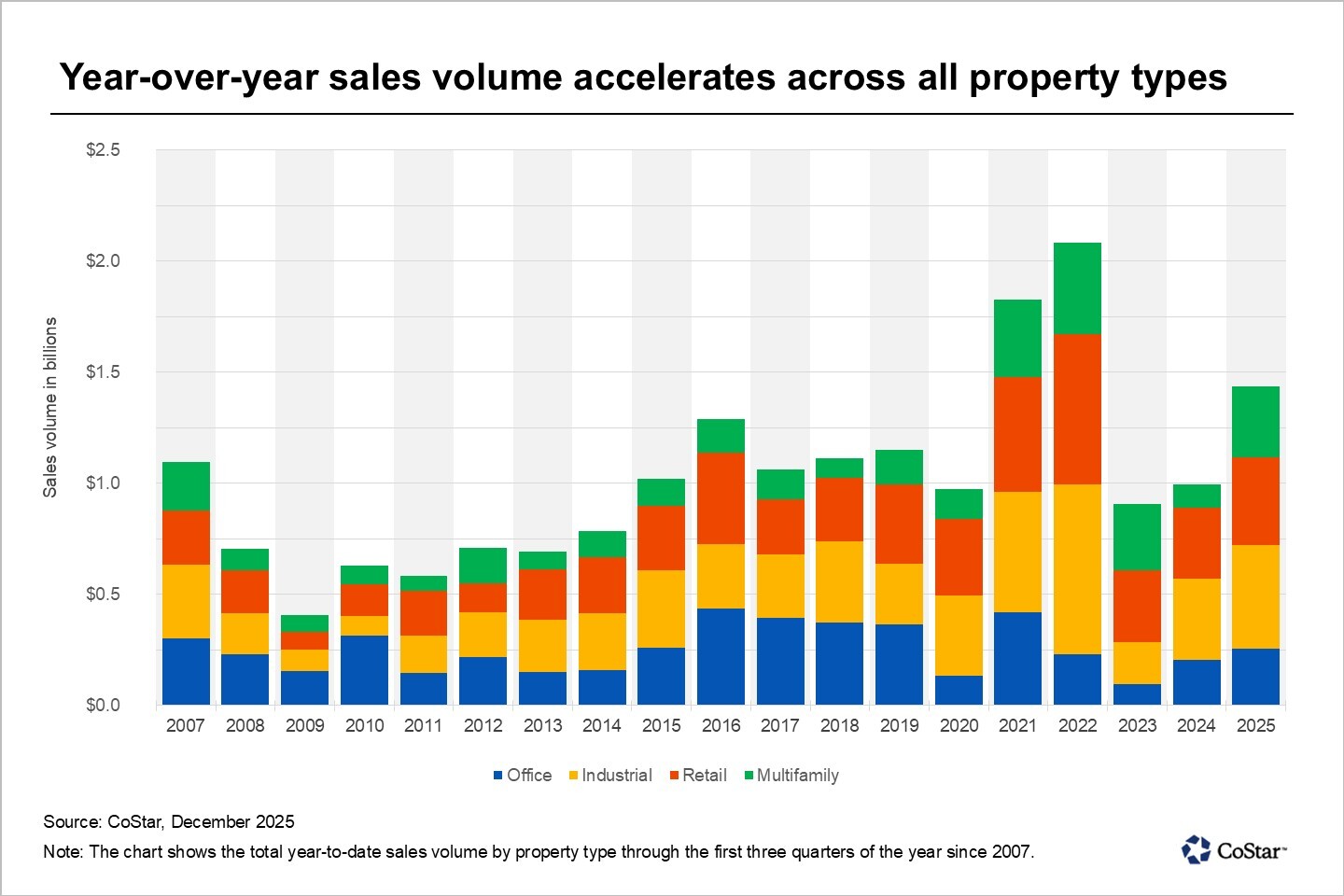
Milwaukee’s commercial real estate market is finally showing real signs of recovery, with 2025 sales volume hitting a three‑year high and investor confidence steadily returning. Driven by selective, fundamentals‑focused buying—favoring strong cash flow, quality assets, and strategic pricing—the city is moving from a period of correction into a healthier, opportunity‑rich phase. For real estate professionals nationwide, Milwaukee’s momentum reflects broader CRE market stabilization and the growing importance of disciplined underwriting and market expertise.

Reverse Mortgage Market Poised for Breakout Growth in 2026

Industry leaders project a major surge in reverse mortgage activity heading into 2026, fueled by rising proprietary products, lender innovation, and strong investor interest. As high interest rates push originators to adopt new strategies, flexible private‑label options, senior‑focused HELOCs, and a wave of big‑capital investment are reshaping the market. With education and policy shifts poised to unlock even more demand, reverse mortgages are entering their most transformative era yet.

The 2026 Housing Market Outlook: Is Better Inventory Finally on the Horizon?

Experts forecast that 2026 may bring long‑awaited relief to homebuyers, with both existing and new home inventory expected to rise. NAR predicts a boost in home sales, a slight drop in mortgage rates, and a modest 4% increase in prices—conditions that could motivate more homeowners to list while builders add over a million new homes to the market. For first‑time buyers, higher loan limits and easing qualification standards may make entering the market more achievable than in recent years.

Lower Interest Rates Signal a Brighter 2026 for South Florida Real Estate

South Florida enters 2026 with renewed optimism as falling mortgage rates, improving buyer confidence, and a strong job market help stabilize a housing landscape that struggled in 2025—especially in the condo sector. While single-family homes remained resilient last year, condos faced price drops, rising fees, and hesitation tied to new safety regulations. With rates projected to fall to around 5.8% by year’s end, buying power is increasing, inventory may loosen, and activity is expected to pick up. Still, affordability challenges persist, Miami’s rental market remains intensely competitive, and the condo sector’s recovery will take time.