Florida Lawmakers Move to Strip Local Governments of Power Over Housing Compatibility Rules
A New Power Shift Could Transform Florida’s Housing Landscape
A sweeping piece of legislation now advancing in the Florida Senate could dramatically reshape how new homes and communities are approved across the state. Lawmakers are pushing a bill that would prevent cities and counties from stopping residential development simply because it may be “incompatible” with surrounding neighborhoods — a term critics argue is far too vague to regulate effectively.
Supporters believe the proposed law is a crucial tool to accelerate homebuilding and address Florida’s ongoing housing affordability crisis. Opponents warn it could muzzle local voices, limit community oversight, and fast‑track developments residents never had a fair chance to weigh in on.
What the Bill Would Do
Under the legislation — Senate Bill 208 — a city or county could not deny a residential development strictly because it did not fit the “character” or “compatibility” of an adjacent neighborhood. This means if a developer proposes homes next to existing homes, local governments may be obligated to approve it, regardless of density or design concerns.
Sen. Stan McClain, the bill’s sponsor and a building contractor, argues the measure would eliminate obstacles that slow down homebuilding — and ultimately keep prices high. He says the goal is to strike back against unreasonable resistance from local boards that can derail projects even when surrounded by similar development.
Supporters Say It Will Speed Up Housing Approvals
Prominent pro‑business groups — including the Florida Chamber of Commerce, AARP, and Associated Industries of Florida — have supported the legislation. Developers say the measure could reduce delays, fees, and legal battles tied to compatibility disputes.
Edward Briggs of Highland Homes, a Central Florida builder, told lawmakers the bill is a step toward increasing attainable housing for Florida families, especially in infill areas already supported by existing infrastructure.
Opponents Warn of Power Loss and Community Impact
Local leaders, environmental advocates, and planning organizations strongly oppose the bill. Groups like the Florida League of Cities and 1,000 Friends of Florida argue that compatibility decisions are essential tools for managing growth responsibly.
Rebecca O’Hara of the League of Cities notes that while “compatibility” can be subjective, that subjectivity is precisely why local governments rely on public hearings, evidence, and planning reviews. The bill, she warns, would sideline these processes and force near-automatic approvals.
Bigger Questions Loom: Growth, Greenspace, and Florida’s Future
While the bill passed its first Senate committee unanimously, even supporters expressed caution. Sen. Kathleen Passidomo questioned whether Florida is prepared for the long‑term consequences of rapid, unchecked development — including the loss of greenspace and potentially uninterrupted corridors of construction across the state.
Sen. Jason Pizzo added that many local officials publicly support affordable housing but often reject developments that could actually supply it. He argues that state intervention may be necessary to break through political barriers that keep inventory low.
Why This Matters for Real Estate Professionals
If passed, this legislation could reshape approval timelines, land‑use patterns, and investment strategies across Florida. Real estate agents, brokers, developers, and property managers may experience faster development cycles and increased inventory — though with heightened community‑level debates over land use.
For professionals aiming to stay ahead of regulatory changes, ongoing education is essential. Institutions like Cameron Academy support Florida licensees by helping them stay compliant, informed, and prepared for shifts that directly affect the state’s real estate landscape.
Source and Further Reading
This article is based on reporting from the Florida Capital Bureau. You can read the full original story at the Tallahassee Democrat for additional context and updates.
More Articles
Getting licensed or staying ahead in your career can be a journey—but it doesn’t have to be overwhelming. Grab your favorite coffee or tea, take a moment to relax, and browse through our articles. Whether you’re just starting out or renewing your expertise, we’ve got tips, insights, and advice to keep you moving forward. Here’s to your success—one sip and one step at a time!
A federal judge has denied class‑certification in the high‑stakes Batton commission lawsuit, delivering a temporary win for NAR and major brokerages while leaving the door open for plaintiffs to try again. With as much as $3.6 billion in potential damages on the line and nearly 80% of the proposed class now disqualified due to conflicts with earlier settlements, the case stands at a pivotal moment. Real estate professionals nationwide — especially in Florida — should watch closely, as the ruling could shape the future of buyer‑agent compensation.
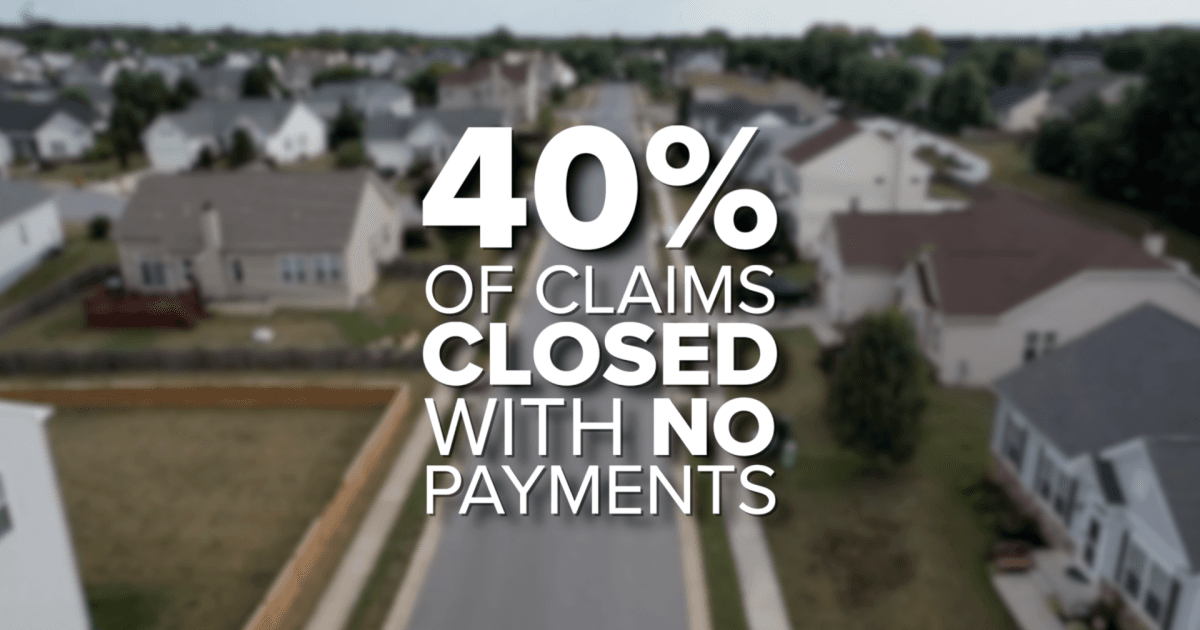
Florida homeowners are paying nearly double the national average for insurance, with premiums now reaching $5,838 a year and denied claims topping 40 percent. Residents report tripled rates, underpaid claims, and mounting financial strain, pushing lawmakers in Tallahassee to propose caps on rate hikes, tax breaks for storm‑proof upgrades, and tighter oversight of insurers. These developments are reshaping real estate and insurance conversations across the state as professionals brace for major industry shifts.
Berkshire County closed Q3 2025 with strong momentum as sales, dollar volume, and buyer competition all climbed year‑over‑year. Inventory showed slight improvement but remains far below demand, keeping the market tilted toward sellers. Single‑family homes and condos led the surge, while multifamily, land, and commercial sectors showed mixed performance. The region continues to stand out as one of New England’s most resilient real estate markets heading into 2026.
Florida homeowners now face the highest insurance burdens in the nation, with average premiums topping $5,800 per year—roughly $3,000 above the national average. As rates triple for some residents, more Floridians are skipping coverage altogether, while denied claims and slow payouts add to the frustration. With over 40 percent of claims closing with no payment and lawmakers battling over reform in Tallahassee, the crisis is reshaping budgets, homebuying decisions, and the real estate industry statewide.
Global capital is surging back into real estate—and this time, investors want more control. Colliers’ 2026 Global Investor Outlook reveals a major shift toward direct investments, joint ventures, and hands‑on strategies as money moves across North America, Europe, and the booming Asia‑Pacific markets. Data centers are now the top‑funded asset class, offices are staging a comeback, and adaptive reuse is reshaping cities worldwide. For real estate and finance professionals, the message is clear: opportunity is accelerating, and those with the right education and licensing will be at the center of the action.
The Fed’s recent rate cuts should have offered relief to commercial real estate—but long-term borrowing costs haven’t budged. While short‑term rates are falling, stubborn long‑term yields, broken deal math, and a trillion‑dollar refinancing wave are keeping the market frozen. For investors and professionals across Florida and the nation, understanding this disconnect is key to navigating the opportunities and risks emerging in today’s shifting CRE landscape.