Florida Lawmakers Move to Strip Local Governments of Power Over Housing Compatibility Rules
A New Power Shift Could Transform Florida’s Housing Landscape
A sweeping piece of legislation now advancing in the Florida Senate could dramatically reshape how new homes and communities are approved across the state. Lawmakers are pushing a bill that would prevent cities and counties from stopping residential development simply because it may be “incompatible” with surrounding neighborhoods — a term critics argue is far too vague to regulate effectively.
Supporters believe the proposed law is a crucial tool to accelerate homebuilding and address Florida’s ongoing housing affordability crisis. Opponents warn it could muzzle local voices, limit community oversight, and fast‑track developments residents never had a fair chance to weigh in on.
What the Bill Would Do
Under the legislation — Senate Bill 208 — a city or county could not deny a residential development strictly because it did not fit the “character” or “compatibility” of an adjacent neighborhood. This means if a developer proposes homes next to existing homes, local governments may be obligated to approve it, regardless of density or design concerns.
Sen. Stan McClain, the bill’s sponsor and a building contractor, argues the measure would eliminate obstacles that slow down homebuilding — and ultimately keep prices high. He says the goal is to strike back against unreasonable resistance from local boards that can derail projects even when surrounded by similar development.
Supporters Say It Will Speed Up Housing Approvals
Prominent pro‑business groups — including the Florida Chamber of Commerce, AARP, and Associated Industries of Florida — have supported the legislation. Developers say the measure could reduce delays, fees, and legal battles tied to compatibility disputes.
Edward Briggs of Highland Homes, a Central Florida builder, told lawmakers the bill is a step toward increasing attainable housing for Florida families, especially in infill areas already supported by existing infrastructure.
Opponents Warn of Power Loss and Community Impact
Local leaders, environmental advocates, and planning organizations strongly oppose the bill. Groups like the Florida League of Cities and 1,000 Friends of Florida argue that compatibility decisions are essential tools for managing growth responsibly.
Rebecca O’Hara of the League of Cities notes that while “compatibility” can be subjective, that subjectivity is precisely why local governments rely on public hearings, evidence, and planning reviews. The bill, she warns, would sideline these processes and force near-automatic approvals.
Bigger Questions Loom: Growth, Greenspace, and Florida’s Future
While the bill passed its first Senate committee unanimously, even supporters expressed caution. Sen. Kathleen Passidomo questioned whether Florida is prepared for the long‑term consequences of rapid, unchecked development — including the loss of greenspace and potentially uninterrupted corridors of construction across the state.
Sen. Jason Pizzo added that many local officials publicly support affordable housing but often reject developments that could actually supply it. He argues that state intervention may be necessary to break through political barriers that keep inventory low.
Why This Matters for Real Estate Professionals
If passed, this legislation could reshape approval timelines, land‑use patterns, and investment strategies across Florida. Real estate agents, brokers, developers, and property managers may experience faster development cycles and increased inventory — though with heightened community‑level debates over land use.
For professionals aiming to stay ahead of regulatory changes, ongoing education is essential. Institutions like Cameron Academy support Florida licensees by helping them stay compliant, informed, and prepared for shifts that directly affect the state’s real estate landscape.
Source and Further Reading
This article is based on reporting from the Florida Capital Bureau. You can read the full original story at the Tallahassee Democrat for additional context and updates.
More Articles
Getting licensed or staying ahead in your career can be a journey—but it doesn’t have to be overwhelming. Grab your favorite coffee or tea, take a moment to relax, and browse through our articles. Whether you’re just starting out or renewing your expertise, we’ve got tips, insights, and advice to keep you moving forward. Here’s to your success—one sip and one step at a time!
Florida’s property insurance system is once again spiraling as new “market-friendly” reforms fail to stabilize rising premiums, insurer failures, and mounting homeowner frustration. Despite aggressive efforts to shift policyholders from Citizens to private carriers, many of the new insurers stepping in are tied to past insolvencies, questionable ratings, and political influence. For real estate, mortgage, and insurance professionals, these systemic cracks are reshaping closings, valuations, and risk across the state—making it essential to stay ahead of ongoing regulatory and market shifts.
Commercial real estate is heading into a turning‑point year in 2026, driven by economic uncertainty, AI‑powered transformation, shifting demographics and rising portfolio risk. Insights from The Counselors of Real Estate highlight the top issues shaping the year ahead—from fiscal pressures and capital constraints to housing shortages, global volatility and the future of data‑driven decision‑making. For real estate, mortgage, insurance and finance professionals, these trends offer a clear roadmap for staying competitive and preparing for the next wave of industry change.
AI-powered tools, fraud protection systems, and smarter MLS integrations are sweeping through the real estate industry as major organizations adopt new technologies. From RealReports hitting its 50th partnership to BeachesMLS unveiling instant AI home visualizations and Doorify boosting security, professionals are seeing rapid advancements that promise sharper insights, safer transactions, and more efficient rental workflows. This evolving tech landscape underscores the importance of staying educated and adaptable — especially for agents preparing for a competitive, AI-enhanced 2025 market.
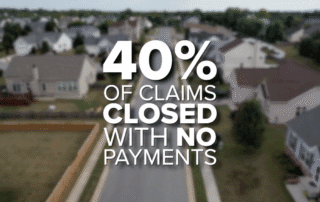
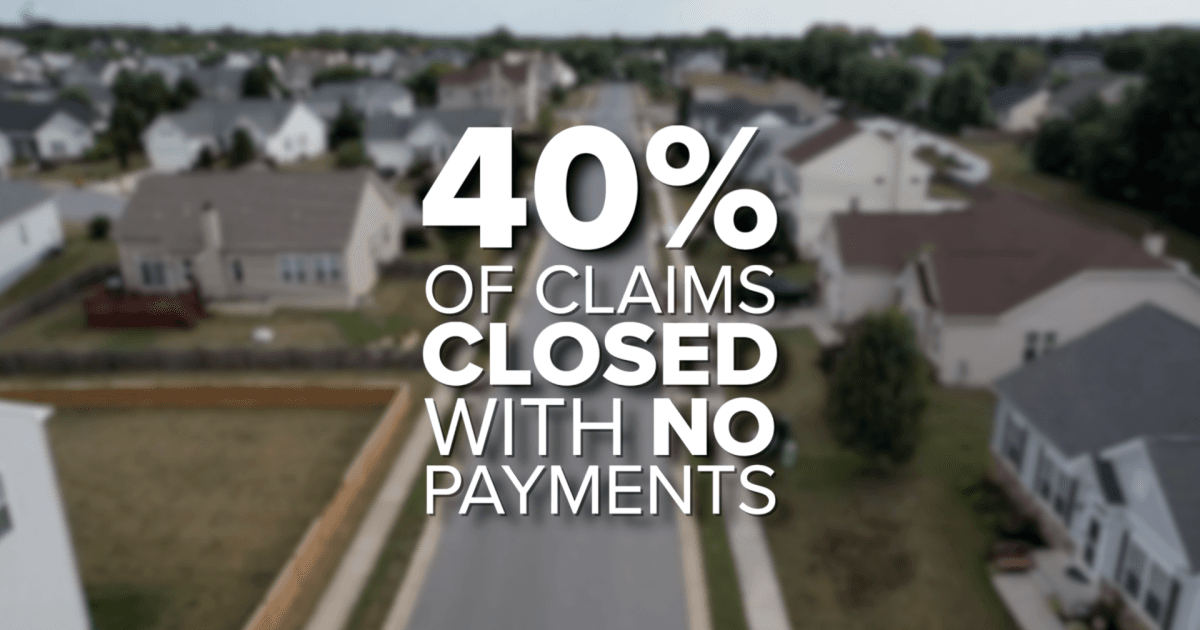
Florida homeowners are being hit with the highest insurance premiums in the nation, averaging $5,838 per year—nearly double the U.S. average. As costs skyrocket, many residents are reporting denied claims, non‑renewals, and impossible financial choices. New investigations reveal that more than 40 percent of claims in Florida close with no payment, while lawmakers push for transparency, fair pricing, and meaningful reform to stabilize a market that’s rapidly becoming unsustainable.
Vend Park, a Boston-based proptech company, has raised $17.5 million in Series A funding to reinvent parking as a high-performing commercial real estate asset. By replacing outdated operator–vendor systems with a unified AI-driven platform, Vend Park is helping major property owners boost NOI by up to 30%, slash operating costs, and modernize the tenant experience. As the company expands from three to fifteen cities and partners with giants like Nuveen and Jamestown, its technology highlights a major shift: real estate professionals must now understand AI, automation, and digital infrastructure to stay competitive.
Keller Williams Realty Atlanta Partners has formed an exclusive partnership with Southeast Mortgage, Georgia’s largest non‑bank mortgage lender. The collaboration promises faster, tech‑enhanced transactions for both agents and homebuyers, combining real estate expertise with streamlined mortgage services. This move reflects a growing trend toward integrated real‑estate ecosystems designed to reduce delays, boost transparency, and modernize the homebuying experience.