Florida Property Taxes Could Transform in 2026 — Here’s Why Homeowners and Local Leaders Are on Edge
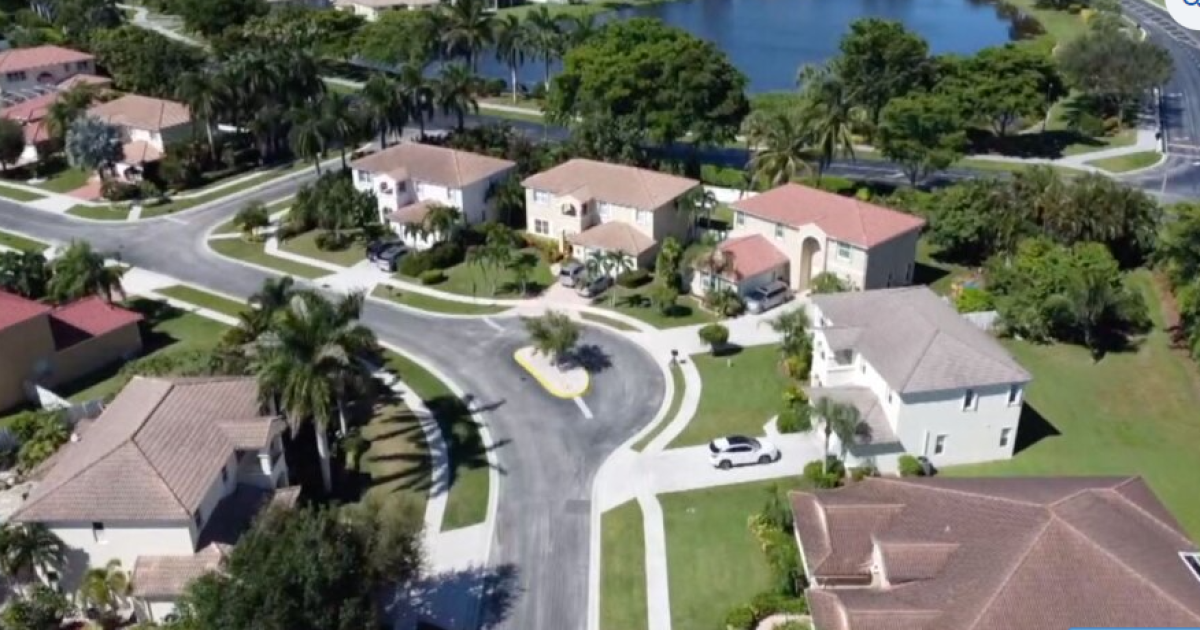
Florida may be on the verge of one of its largest tax shake‑ups in decades. State leaders, including Gov. Ron DeSantis and key lawmakers, are moving forward with proposals that could dramatically reduce — or even eliminate — property taxes beginning as early as 2026.
The momentum has been building since early 2025, but pressure around the issue has now reached a breaking point. Homeowners battling rising tax bills are optimistic. Meanwhile, local governments are sounding alarms about the potential impact on essential community services.
A Growing Movement to Cut Costs for Homeowners
Property taxes across Florida generate nearly $60 billion annually, prompting supporters of reform to argue the system needs a reset. Rep. Toby Overdorf, R‑Stuart, one of the most vocal proponents, said in an interview with WPTV that he believes local governments can still maintain service quality even with reduced revenue.
“I sincerely believe there is some opportunity now for a pullback of that revenue in local government and still receive the same services,” Overdorf said.
Many homeowners feel squeezed by rising taxes — especially those who moved expecting lower bills. That includes Alberto Vaccaro, who relocated from Palm Beach County to St. Lucie County.
“We moved … thinking that property taxes were going to be less and instead we were surprised,” Vaccaro told WPTV.
Local Governments Warn of Service Cuts
City and county officials across the state have expressed strong concerns. Many warn that removing property taxes could put public safety, emergency response, parks, and infrastructure at risk — all of which rely heavily on property tax dollars.
“The ability to ensure that we have police, fire and emergency services to get to our residents quickly would change,” said Chelsea Reed, Palm Beach Gardens Council member, in a March interview.
Some local leaders have been even more direct, including Lake Worth Beach Mayor Betty Resch.
“Do they want us to hold bake sales to make up the lack of funds?” Resch said to WPTV. “I just don’t understand where they think the money is going to come from.”
The Debate Intensifies as 2026 Nears
Tensions escalated further in December when Florida Chief Financial Officer Blaise Ingoglia accused Palm Beach County of overspending by $344 million. The accusation added fuel to an already heated statewide argument about financial responsibility and funding sources.
“Hopefully you understand that this number cannot stand,” Ingoglia said.
Palm Beach County strongly rejected the claim. County Administrator Joseph Abruzzo argued that the CFO’s statements were not supported by any official audit.
“This seems to be a speech and his personal opinion,” Abruzzo responded in a WPTV follow-up.
Whether property taxes will be reduced or abolished remains uncertain, but one thing is clear: 2026 could redefine Florida’s financial landscape. Both supporters and critics are gearing up for a major policy clash when the next legislative session begins.
What This Means for Real Estate Professionals
Shifts in property tax law carry enormous consequences for Florida real estate — from home affordability to municipal budgets to investor strategy. Industry professionals must stay informed and adaptable.
At Cameron Academy, we’re committed to helping agents, brokers, and future professionals stay ahead of major policy changes like these. Whether you’re pursuing your license or deepening your market expertise, staying educated is key as Florida approaches potentially historic tax reform.
Explore the complete original report and updates at WPTV.
More Articles
Getting licensed or staying ahead in your career can be a journey—but it doesn’t have to be overwhelming. Grab your favorite coffee or tea, take a moment to relax, and browse through our articles. Whether you’re just starting out or renewing your expertise, we’ve got tips, insights, and advice to keep you moving forward. Here’s to your success—one sip and one step at a time!
Cameron Academy is thrilled to offer the Free Annual Florida Real Estate Sales Associate 63-Hour Pre-License Course Livestream. This exclusive event is an opportunity for aspiring real estate professionals to gain expert instruction, access a comprehensive curriculum, and connect with a network of professionals in the industry. The course will be livestreamed from December 04-15, 2023, allowing you to participate from the comfort of your own home or office. Register now to secure your spot in this highly sought-after course. Spaces are limited, so early registration is highly recommended. Take the first step towards your real estate career today!
Coldwell Banker, a renowned real estate brand, has recently appointed Jason Waugh as the new president of Coldwell Banker Affiliates. In his new role, Waugh will be responsible for overseeing the brand's strategy, operations, and sales for its growing network of franchises. This appointment comes as Coldwell Banker aims to further strengthen its position in the real estate market. With an impressive background in the industry, Waugh brings a wealth of experience to his new position. Previously associated with Berkshire Hathaway HomeServices and Berkshire Hathaway Home Services Real Estate Professionals for 18 years, Waugh's expertise and leadership qualities make him an ideal fit for this role.
United Wholesale Mortgage (UWM), the country's leading lender, has increased its agency conforming loan limits to $750,000. This move, ahead of the Federal Housing Finance Agency's expected decision, applies to conventional and VA loans locked from October 11. The decision offers borrowers greater flexibility and access to larger loan amounts, with the benefits of conforming loans. These loans meet the guidelines set by government-sponsored enterprises like Fannie Mae and Freddie Mac, offering lower interest rates and more favorable terms compared to non-conforming or jumbo loans.
PNC Bank has implemented a cost-cutting strategy, leading to layoffs and a shift in focus towards expense management and strategic priorities. The bank aims to streamline operations, improve efficiency, and reallocate resources to align with long-term goals. Despite the layoffs, PNC Bank is committed to supporting affected employees during the transition period. Learn more about PNC Bank's strategy and its impact on the industry at Cameron Academy, a leading career education school.
Government-sponsored enterprise (GSE) loan buybacks have emerged as a significant issue for lenders in the mortgage market. The sudden increase in buybacks from entities like Fannie Mae and Freddie Mac is causing financial and operational strain among lenders. The rise in loan buybacks is largely due to stricter underwriting guidelines enforced by these GSEs. The impact of these buybacks is significant and far-reaching. Lenders not only face financial losses from repurchasing loans, but they also encounter operational challenges. The surge in loan buybacks has created uncertainty in the mortgage market, potentially slowing down the housing market. In response to the challenges posed by loan buybacks, lenders are implementing stricter underwriting practices and enhancing their quality control processes.
The housing market is currently witnessing an unusual trend - a deceleration in the growth of housing inventory, despite the rise in mortgage rates. This unexpected development has triggered concerns among potential buyers and industry experts. With mortgage rates climbing from their historic lows, the number of homes available for sale remains surprisingly stagnant. We investigate the factors contributing to this unexpected stagnation in inventory growth and examine the implications of rising mortgage rates, limited new listings, and an increase in price cuts. We also consider the impact of external elements such as labor reports and geopolitical risks on the housing market.