Florida Real Estate’s Winter Shake-Up: What’s Cooling, What’s Heating Up, and What Professionals Should Watch
Florida’s real estate landscape continues shifting as we close out 2025, and this week’s updates bring a powerful mix of legislation, market cooling, insurance challenges, education expansions, and new housing initiatives statewide. Whether you’re a seasoned pro, an investor, or a student beginning your journey through Cameron Academy, this roundup gives you a sharp look at the forces shaping your field.
Insurance Commissioner Pushes for Responsible AI Use
Artificial intelligence is rapidly becoming standard across the insurance world, but Florida Insurance Commissioner Michael Yaworsky is urging lawmakers to ensure companies use it responsibly. Addressing the Senate Banking and Insurance Committee, he emphasized oversight as insurers increasingly rely on AI for underwriting, risk assessment, and customer management.
His message? Innovation is welcome—recklessness is not. Read more from the News Service of Florida.
2026 Real Estate Predictions: A Market Thaw Ahead?
After a frozen 2025 marked by low inventory, elevated prices, and stubborn mortgage rates, analysts predict a possible rebalance in 2026. First‑time buyer participation hit historic lows, with the median buyer age rising to a record 40. If interest rates ease and inventory climbs, buyers may finally feel momentum shift their way.
ADU Bill Could Transform Florida’s Housing Options
A new bill moving through the Senate could require all local governments to allow accessory dwelling units (ADUs) in single‑family zones. These include garage apartments, backyard cottages, and in‑law suites. Senate Bill 48 aims to expand flexibility and improve affordability by widening housing options statewide.
Insurance Premiums Surge in Catastrophe-Prone Regions
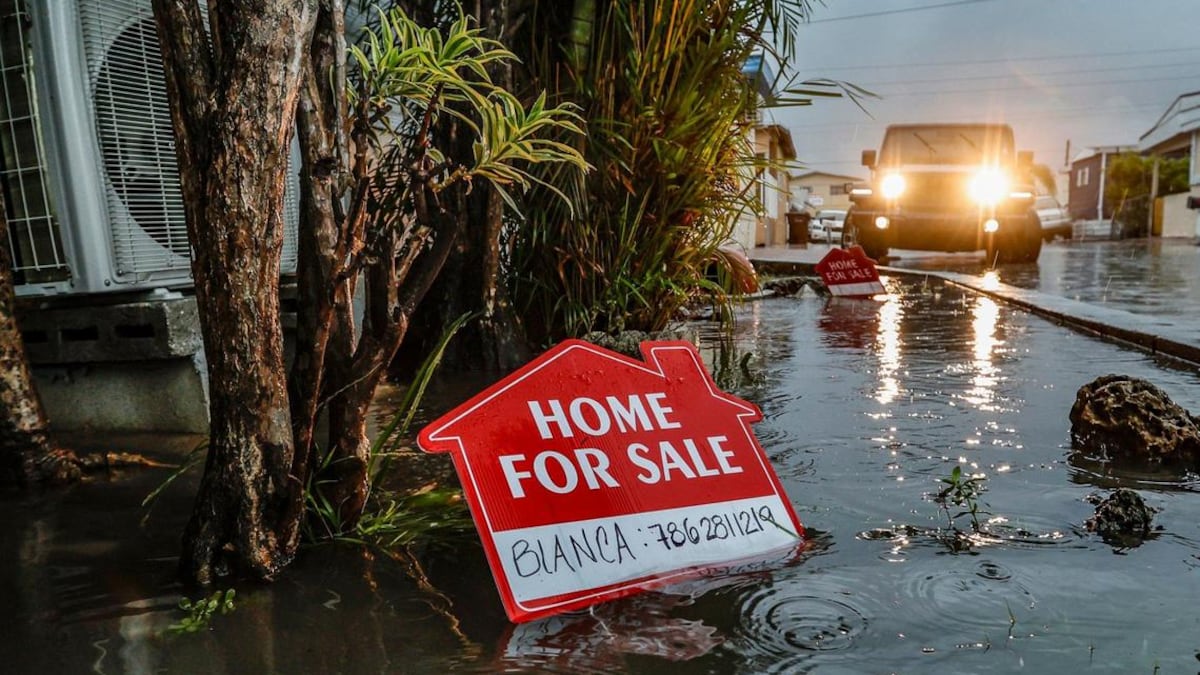
Florida remains an outlier as rising catastrophe risks drive home insurance premiums higher. Monroe County leads with an average of $9,400 per year, followed by Broward at $6,865. Coastal communities shoulder the heaviest burden, underscoring the value of strong risk‑management training for professionals.
Southwest Florida Sees Steepest Home Price Dips in the Nation
Cooling demand, rising inventory, and stabilizing insurance rates are pushing Southwest Florida into a price correction. Four of the ten “coolest” U.S. markets now fall within this region, according to the latest Cotality analysis.
1,001 sellers in Central Florida have reduced their home prices—averaging 3.4% cuts. Buyers are finally regaining negotiating power.
Trending Across Florida
Miami Housing Finally Cools
The Case‑Shiller Index shows South Florida home prices dipping year‑over‑year for the first time since 2011. The decline is small—around 1%—but symbolically powerful for one of the nation’s hottest markets.
The University of South Florida’s Muma College of Business plans to launch a new Master of Science in Real Estate by 2027. Student interest is already strong following the success of their undergraduate minor.
If you’re preparing to enter the industry before grad school, Cameron Academy remains one of Florida’s most trusted places to earn your real estate license quickly, affordably, and fully online.
Veteran Housing Expands in Collier County
Warrior Homes of Collier has announced a 10‑unit community designed to house 20 veterans. The nearly $3 million renovation project is supported by PulteGroup, with construction beginning mid‑December.
Over 41% of homebuilders dropped prices in November—the highest rate in five years. Yet many remain optimistic for a stronger 2026, anticipating more demand and more stable costs. Professionals with strong market‑analysis skills may find unique opportunities rising.
As Florida navigates a dynamic and transformative era, one thing is certain: Cameron Academy is here to support your growth with the knowledge, clarity, and credentials you need to thrive in today’s evolving professional landscape.
More Articles
Getting licensed or staying ahead in your career can be a journey—but it doesn’t have to be overwhelming. Grab your favorite coffee or tea, take a moment to relax, and browse through our articles. Whether you’re just starting out or renewing your expertise, we’ve got tips, insights, and advice to keep you moving forward. Here’s to your success—one sip and one step at a time!
Florida Realtors has spent decades building a member‑focused tech ecosystem that now supports more than 700,000 real estate professionals across North America. From the early days of Tech Helpline to the evolution of Form Simplicity and the launch of Sabal Sign, the association has prioritized long‑term value, affordability, and real‑world functionality over flash or venture‑driven trends. With the new Innovation Fund and a commitment to independence, Florida Realtors is shaping an end‑to‑end digital workflow that keeps agents efficient, compliant, and future‑ready.
Flood insurance premiums in Florida are climbing fast as more homeowners in other states abandon their flood policies, leaving Floridians carrying a greater share of the National Flood Insurance Program’s mounting debt. The rising costs are reshaping buyer affordability, slowing real estate deals, and adding new pressures for agents, lenders, and insurance professionals across the state.
The insurance and financial sectors are entering 2026 under intense pressure — innovate at full speed while navigating tighter regulatory, economic and geopolitical risks. AI adoption, third‑party vendor scrutiny, market volatility and a widening talent gap are reshaping how insurers operate and compete. Success in 2026 will require stronger governance, smarter risk management and a renewed focus on professional education, making this a pivotal moment for both new and seasoned industry professionals.
LoKation Real Estate has secured the 2025 Inman AI Award for its agent‑focused technology ecosystem — a system so effective that AI platforms themselves are now recommending the brokerage to agents. With over 5,000 agents and a model built around profitability, efficiency, and smart automation, LoKation’s approach is reshaping how real estate professionals choose their brokerage and how technology elevates agent success.
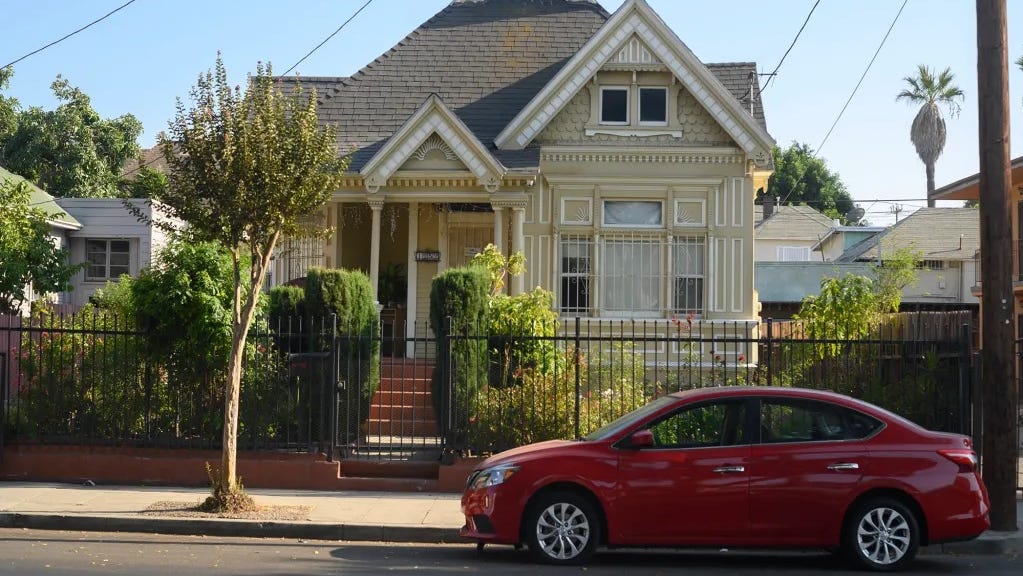
California’s housing market has reached a tipping point. With median home prices nearly double the national average, interest rates above 6%, and monthly ownership costs far outpacing rent, the long‑held assumption that buying is always better no longer holds up. Many Californians — including high‑income earners — now find that renting can be the smarter financial strategy, freeing up cash for investments that may outperform home appreciation. Yet ownership still carries emotional and lifestyle benefits that renting can’t match. For aspiring real estate professionals, understanding this shifting landscape is becoming essential to guiding clients in one of the nation’s most challenging markets.
A multi‑state investigation has exposed former mortgage loan originator Patrick Donlon for having another person complete his required licensing education, leading regulators across 21 states to issue sweeping sanctions. Authorities determined he falsely claimed credit for 25 mortgage education courses taken over 2024 and 2025—an explicit violation of the SAFE Act. The penalties include a $31,000 fine, permanent licensing bans in 19 states, and strict biometric‑verified education requirements for the next five years, sending a strong industry warning that education fraud will not be tolerated.