Florida Real Estate’s Winter Shake-Up: What’s Cooling, What’s Heating Up, and What Professionals Should Watch
Florida’s real estate landscape continues shifting as we close out 2025, and this week’s updates bring a powerful mix of legislation, market cooling, insurance challenges, education expansions, and new housing initiatives statewide. Whether you’re a seasoned pro, an investor, or a student beginning your journey through Cameron Academy, this roundup gives you a sharp look at the forces shaping your field.
Insurance Commissioner Pushes for Responsible AI Use
Artificial intelligence is rapidly becoming standard across the insurance world, but Florida Insurance Commissioner Michael Yaworsky is urging lawmakers to ensure companies use it responsibly. Addressing the Senate Banking and Insurance Committee, he emphasized oversight as insurers increasingly rely on AI for underwriting, risk assessment, and customer management.
His message? Innovation is welcome—recklessness is not. Read more from the News Service of Florida.
2026 Real Estate Predictions: A Market Thaw Ahead?
After a frozen 2025 marked by low inventory, elevated prices, and stubborn mortgage rates, analysts predict a possible rebalance in 2026. First‑time buyer participation hit historic lows, with the median buyer age rising to a record 40. If interest rates ease and inventory climbs, buyers may finally feel momentum shift their way.
ADU Bill Could Transform Florida’s Housing Options
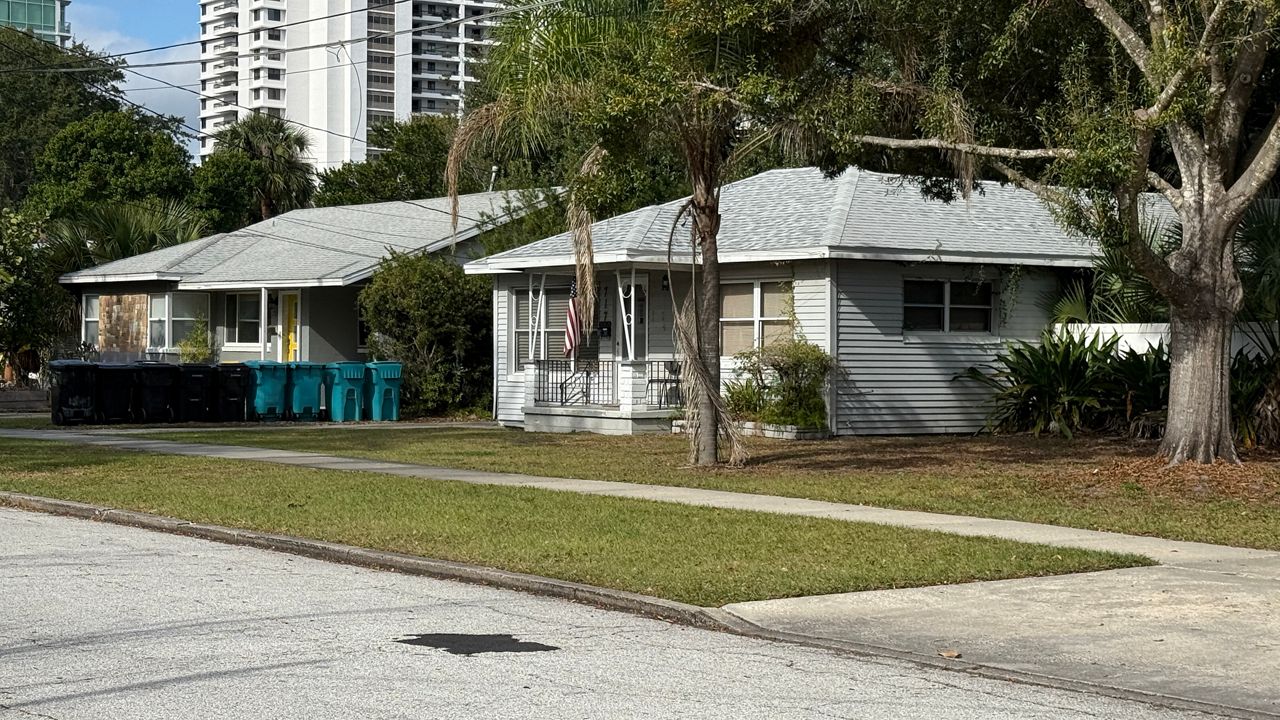
A new bill moving through the Senate could require all local governments to allow accessory dwelling units (ADUs) in single‑family zones. These include garage apartments, backyard cottages, and in‑law suites. Senate Bill 48 aims to expand flexibility and improve affordability by widening housing options statewide.
Insurance Premiums Surge in Catastrophe-Prone Regions
Florida remains an outlier as rising catastrophe risks drive home insurance premiums higher. Monroe County leads with an average of $9,400 per year, followed by Broward at $6,865. Coastal communities shoulder the heaviest burden, underscoring the value of strong risk‑management training for professionals.
Southwest Florida Sees Steepest Home Price Dips in the Nation
Cooling demand, rising inventory, and stabilizing insurance rates are pushing Southwest Florida into a price correction. Four of the ten “coolest” U.S. markets now fall within this region, according to the latest Cotality analysis.
1,001 sellers in Central Florida have reduced their home prices—averaging 3.4% cuts. Buyers are finally regaining negotiating power.
Trending Across Florida
Miami Housing Finally Cools
The Case‑Shiller Index shows South Florida home prices dipping year‑over‑year for the first time since 2011. The decline is small—around 1%—but symbolically powerful for one of the nation’s hottest markets.
The University of South Florida’s Muma College of Business plans to launch a new Master of Science in Real Estate by 2027. Student interest is already strong following the success of their undergraduate minor.
If you’re preparing to enter the industry before grad school, Cameron Academy remains one of Florida’s most trusted places to earn your real estate license quickly, affordably, and fully online.
Veteran Housing Expands in Collier County
Warrior Homes of Collier has announced a 10‑unit community designed to house 20 veterans. The nearly $3 million renovation project is supported by PulteGroup, with construction beginning mid‑December.
Over 41% of homebuilders dropped prices in November—the highest rate in five years. Yet many remain optimistic for a stronger 2026, anticipating more demand and more stable costs. Professionals with strong market‑analysis skills may find unique opportunities rising.
As Florida navigates a dynamic and transformative era, one thing is certain: Cameron Academy is here to support your growth with the knowledge, clarity, and credentials you need to thrive in today’s evolving professional landscape.
More Articles
Getting licensed or staying ahead in your career can be a journey—but it doesn’t have to be overwhelming. Grab your favorite coffee or tea, take a moment to relax, and browse through our articles. Whether you’re just starting out or renewing your expertise, we’ve got tips, insights, and advice to keep you moving forward. Here’s to your success—one sip and one step at a time!
After years of sharp increases and shrinking coverage options, Florida’s home insurance market is showing its strongest signs of recovery yet. Multiple insurers are proposing significant premium cuts for 2026 — some in the double digits — as storm‑loss data improves and private carriers re‑enter the state. Citizens Insurance is also seeking its first broad rate reduction in a decade, potentially lowering costs for millions of homeowners. This shift could boost affordability and confidence across Florida’s real estate and mortgage markets heading into the new year.
An AI company that began in a bedroom is now shaking the foundations of the lending industry. Salient, led by CEO Ari Malik, has skyrocketed to a $500 million valuation by fixing one of finance’s messiest problems: debt servicing. With zero customer churn, 100% pilot-to-contract conversions, and AI agents reportedly 30 times more compliant than humans, Salient is redefining how lenders manage loans. Its rapid rise highlights a new era where trust, regulation‑ready AI, and deep industry understanding are becoming essential for professionals across real estate, mortgage, finance, and insurance.
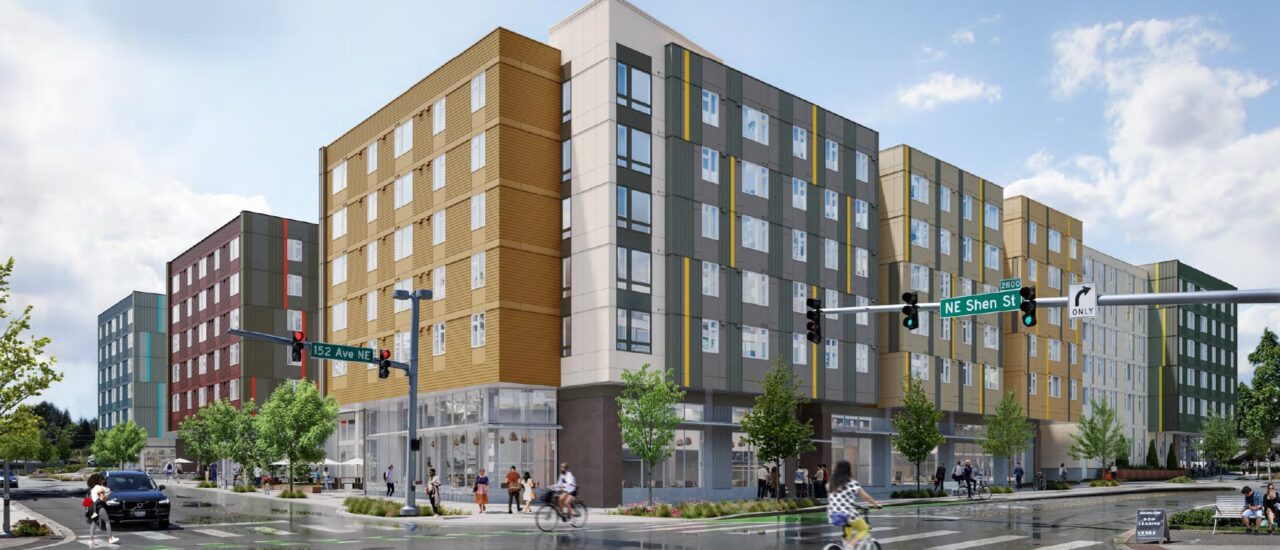
Redmond, Washington is tackling its housing crisis with Prisma, a six‑story, transit‑oriented development built on discounted surplus land from Sound Transit. The project will deliver 328 deeply affordable units—most reserved for households earning 50 percent of AMI or less, including families and people with disabilities. Enabled by a rare cross‑sector funding partnership, Prisma showcases how cities can combine transit investment, public resources, and private support to create long‑term, equitable housing solutions.
Citizens Property Insurance Corp. is recommending rate decreases for millions of Florida homeowners in 2026, marking the first potential premium drop in over a decade. If approved by state regulators, personal-line policies would fall an average of 2.6%, with some homeowners seeing reductions up to 11.5%. The shift reflects growing market stability driven by recent insurance reforms and increased private‑sector participation, though not all counties will benefit equally.
Despite alarming headlines, experts say AI isn’t the true driver behind Wall Street job cuts. Major banks like JPMorgan and Goldman Sachs are trimming staff, but economists point to post‑pandemic overhiring and economic uncertainty—not robots—as the real cause. While banks are investing heavily in AI tools, actual AI‑driven layoffs remain minimal. Instead, AI is slowing new hiring, reshaping roles, and pushing professionals across finance, real estate, and other industries to upskill rather than fear replacement.
Artificial intelligence is reshaping the real estate industry in 2025, powering a new surge of growth and maturity in the proptech sector. AI tools once considered experimental—such as predictive analytics, automated valuations, and digital transaction platforms—are now becoming essential to real estate, mortgage, insurance, and finance workflows. With rising investor confidence and widespread professional adoption, AI‑driven proptech is transforming how the industry operates and what skills modern professionals need to stay competitive.