Florida Revives Push to Regulate Third‑Party Litigation Financing

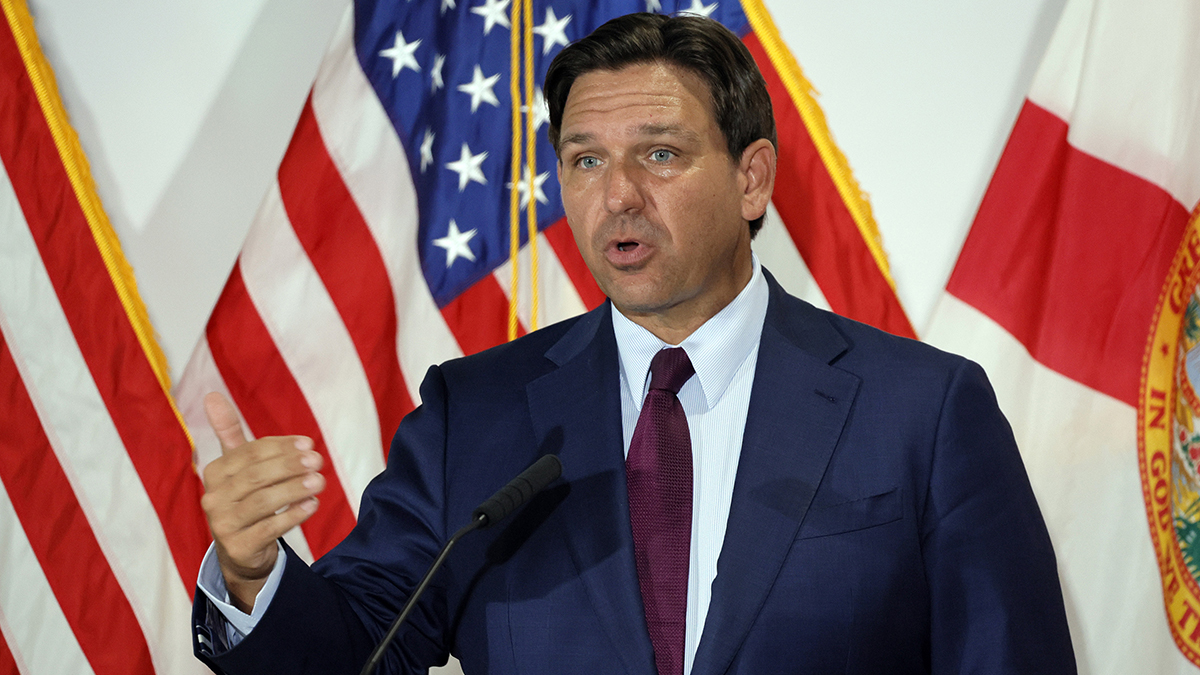
Representative fabian basabe speaking

Florida has stepped once again into the national spotlight with a renewed push to regulate the fast‑growing industry of third‑party litigation financing. Representative Fabian Basabe has introduced House Bill 1157, a proposal designed to reshape how outside investors are allowed to participate in lawsuits across the state.

As legal funding continues expanding nationwide, it’s drawing serious attention from attorneys, insurers, financial experts, and even professionals in real estate and risk‑driven industries. For modern professionals, understanding this shifting landscape is becoming not only useful—but essential.

What HB 1157 Seeks to Change

The bill would require courts to determine whether financing agreements compromise an attorney’s ability to fairly represent clients. It also blocks funders from influencing lawsuit decisions—such as which attorneys are hired or which expert witnesses are chosen.

A key provision would prevent funders from receiving a larger share of a settlement than the plaintiffs themselves. HB 1157 also prohibits referral fees and imposes disclosure rules when foreign entities provide funding.

A Broader National Movement

Florida’s push aligns with ongoing debates nationwide. Washington State is reviewing House Bill 2255, which proposes funder registration, interest caps, limits on investor influence, and full transparency for all legal parties involved.

As more states tighten regulations, professionals in law, insurance, finance, and real estate should stay informed. These changes could shift settlement strategies, insurance pricing, and risk models across multiple sectors.

Why It Matters to Professionals

Litigation funding impacts far more than lawyers. Investors, insurers, brokers, and business owners alike feel the ripple effects of how lawsuits are financed. In a dynamic regulatory environment like Florida, professionals must remain aware of these changes to navigate their industries successfully.

That’s why continued education is so critical. At Cameron Academy, where thousands train to elevate their careers, we emphasize tracking legislation that affects licensing, compliance, and professional practice across multiple fields.

Tap to Explore: What Exactly Is Litigation Funding?

Litigation funding occurs when third‑party investors provide financial support to plaintiffs or law firms in exchange for a portion of any settlement or judgment. Supporters say it expands access to justice; critics argue it risks influencing legal strategy or creating conflicts of interest.


Tap to View Original Source

Read the full article at Insurance Business: Visit Source Article

More Articles

Getting licensed or staying ahead in your career can be a journey—but it doesn’t have to be overwhelming. Grab your favorite coffee or tea, take a moment to relax, and browse through our articles. Whether you’re just starting out or renewing your expertise, we’ve got tips, insights, and advice to keep you moving forward. Here’s to your success—one sip and one step at a time!

Florida Homeowners Finally Get Relief as Gov. DeSantis Announces Significant Insurance Premium Cuts

Florida homeowners — especially in hard‑hit South Florida — are set to see rare and substantial reductions in their property insurance premiums. Gov. Ron DeSantis announced an average statewide Citizens Insurance decrease of 8.7%, with even larger savings of up to 14% in counties like Miami-Dade, Broward, and Palm Beach. State officials credit recent legal and regulatory reforms for stabilizing the market, attracting new insurers, and delivering the first meaningful rate relief Floridians have seen in years.

Tampa’s Real Estate Market Enters a Smarter, More Selective Growth Phase

Tampa’s commercial real estate market isn’t slowing—it’s maturing. With strong population growth, rising office demand, a normalized industrial sector, resurgent retail, and an emerging health‑care real estate boom, investors are shifting from speed to strategy. Tighter underwriting, cautious capital and increased due‑diligence are shaping a more disciplined market, creating new opportunities for informed professionals.

Florida Slashes Home Insurance Rates: Biggest Drop in a Decade Sends Shockwaves Through the Market

Florida homeowners are finally seeing relief as Citizens Property Insurance announces a major 8.7% average rate decrease—far larger than originally proposed. Driven by legislative reforms, fewer lawsuits, and a calm hurricane season, the state’s once‑unstable insurance market is showing real signs of recovery. But with reduced coverage limits and shifting legal protections, experts warn that lower premiums may come with hidden trade‑offs.

Florida Homeowners Finally Get Insurance Relief After Years of Soaring Premiums

After a decade of rising premiums and retreating carriers, Florida homeowners are finally seeing long‑awaited relief. Dozens of insurers have filed for rate decreases—some as high as 11%—thanks to legislative reforms and a stabilizing market. Early approvals are already hitting counties across the state, and experts say the momentum could boost buyer confidence, affordability, and competition throughout Florida’s real estate and insurance sectors.

Self‑Storage Investing in 2026: A Market Thaw Opens the Door to Big Opportunities

After years of slowed activity caused by rising interest rates, the self‑storage industry is heating up again. New data from Marcus & Millichap shows a fresh market cycle emerging, driven by renewed buyer confidence, recalibrated pricing, and stronger lender participation. Acquisitions are rebounding, development is resetting in a healthier direction, and financing conditions are improving—creating one of the most promising investment landscapes the sector has seen in years.

Brookline’s Real Flood Risk: What FEMA’s New Maps Reveal—and What They Miss

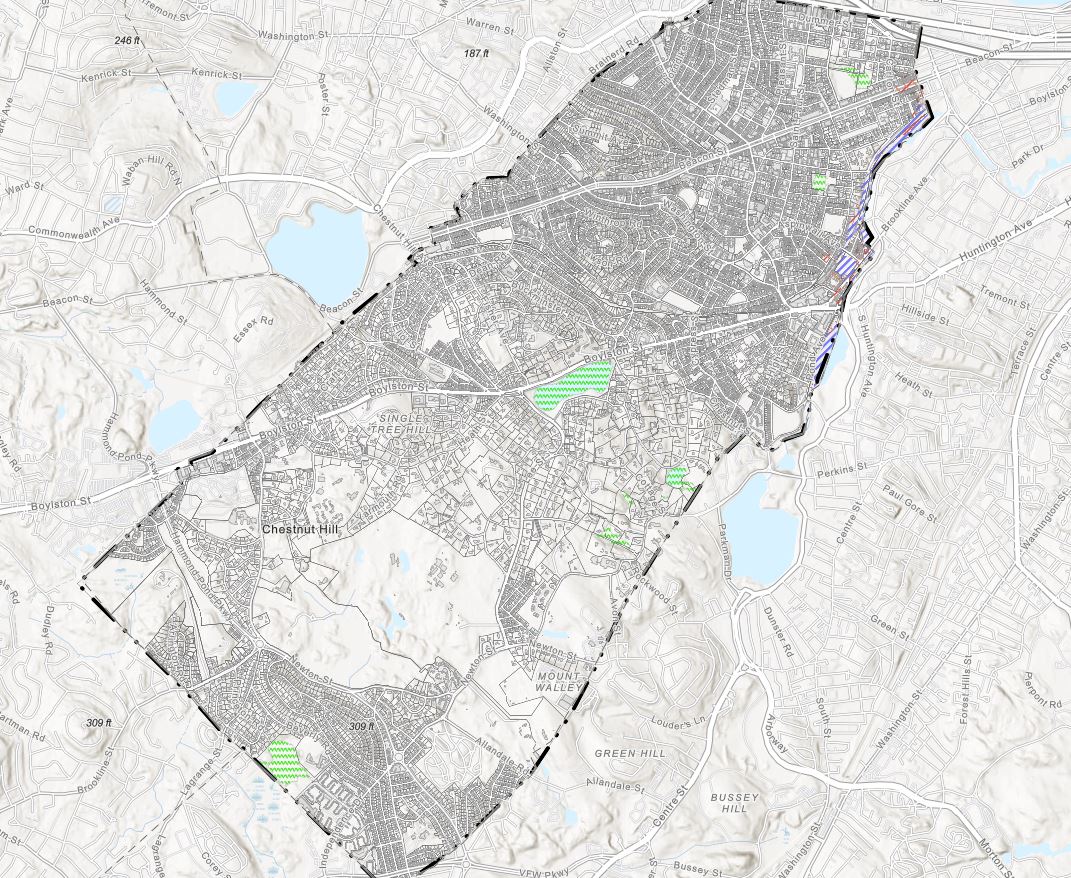
Brookline’s newly updated FEMA flood maps identify 97 high‑risk parcels, but local experts warn the true threat is far greater. While FEMA highlights river‑based flooding around Leverett Pond and the Muddy River, alternative models show more than 1,300 Brookline properties at risk within 30 years. Hidden vulnerabilities along major corridors like Beacon Street, rising rainfall intensity, aging infrastructure, and climate‑driven storm patterns suggest that many “low‑risk” areas may be anything but safe.