Florida Senate Advances Joe Gruters Plan to Shrink Citizens Property Insurance
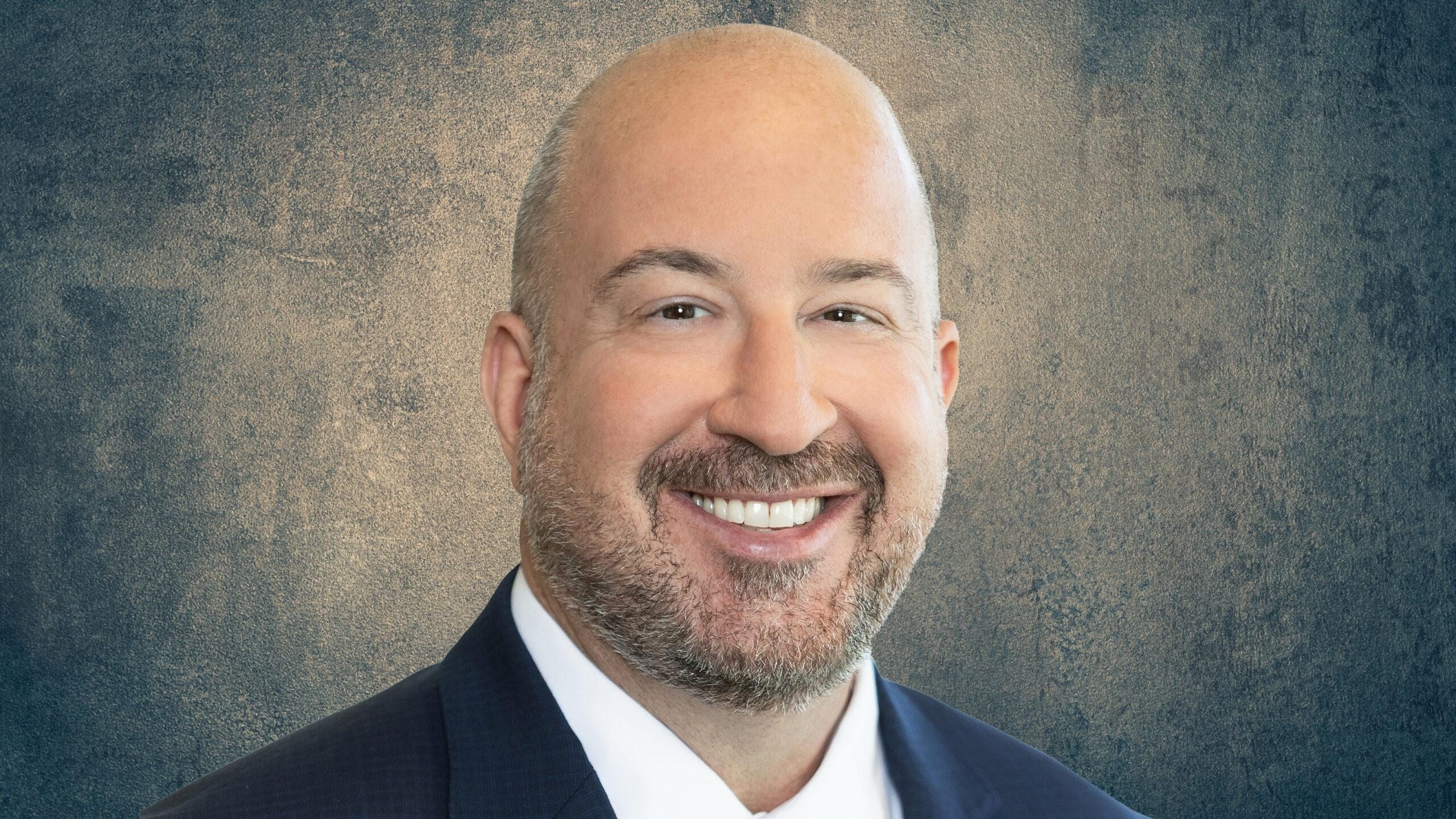
In a major step toward reforming Floridas turbulent property insurance landscape, the state Senate has approved Sarasota Sen. Joe Gruters proposal to push more commercial properties out of the state-run Citizens Property Insurance Corporation and into the private market. The measure now heads to Gov. Ron DeSantis for final approval, marking a significant milestone in a multiyear effort to reduce Floridas exposure to financial risk during major storms.
The House voted 88-19 in favor of SB 1028, which broadens the insurance clearinghouse system and directs certain commercial policyholders toward private insurers when comparable coverage is available. Rep. Mike Redondo, who sponsored the House companion HB 943, emphasized that the bill restores Citizens to its original purpose as an insurer of last resort.
A Push Years in the Making
Florida lawmakers have been working to reduce Citizens size and financial exposure since at least 2014. Created to provide coverage when private insurers would not, Citizens has ballooned in enrollment due to rising premiums, insurer withdrawals, and market instability.
Gruters bill tackles the issue by tightening eligibility rules. Citizens would be prohibited from issuing new coverage for commercial residential and commercial nonresidential risks if a surplus lines clearinghouse insurer offers comparable coverage within 15 percent of the Citizens rate. That threshold is stricter than the current 20 percent benchmark used for personal policies.
How the New Clearinghouse System Will Work
A key component of the legislation is the creation of two separate commercial clearinghouses: one for authorized insurers and another for surplus lines carriers. Commercial applications must first go through the authorized clearinghouse. If no suitable offer appears within five days, only then can the application move to the surplus lines clearinghouse.
Redondo described the bill as a keep-out mechanism rather than a take-out process. This means policies are prevented from entering Citizens when private-market coverage exists rather than being removed midterm. The measure affects commercial policies like condominium association master policies, not individual condo owners.
Billions in Risk Could Shift to the Private Market
Roughly 3,000 commercial Citizens policies, representing about 25 billion dollars in exposure, may become eligible for the clearinghouse system. Supporters argue that shifting these risks to private carriers reduces potential taxpayer liability after catastrophic storms.
Opponents voiced concern about pushing policyholders into the surplus lines market, where rates and coverage forms are less regulated. Redondo responded that coverage must be equal or better than Citizens and emphasized that the Office of Insurance Regulation will oversee the programs approval and operation.
What Happens Next
The bill outlines new rules for insurer and agent interaction with the clearinghouse, updates commission standards, and requires risk information sharing. Citizens must select clearinghouse administrators within 90 days of the laws effective date, and regulators must approve the program within three months of passage.
Because the House approved the Senate version without amendments, the bill now goes directly to Gov. DeSantis. If signed, it will take effect immediately.
Why This Matters for Real Estate Professionals
Staying informed about insurance reform is becoming a powerful advantage for real estate professionals who want to guide clients with confidence and strengthen their expertise.
Changes to Citizens Property Insurance impact more than insurers and lawmakers. They shape market stability, condo association budgets, and commercial development decisions statewide. For real estate professionals, staying informed about insurance shifts is essential to guiding clients, evaluating deals, and anticipating risks.
At Cameron Academy, we make it a priority to keep our students ahead of industry changes like this. Our Florida real estate licensing and continuing education programs emphasize practical knowledge that prepares professionals for real-world challenges, including navigating Floridas evolving insurance market.
Getting licensed or staying ahead in your career can be a journey—but it doesn’t have to be overwhelming. Grab your favorite coffee or tea, take a moment to relax, and browse through our articles. Whether you’re just starting out or renewing your expertise, we’ve got tips, insights, and advice to keep you moving forward. Here’s to your success—one sip and one step at a time!
November marked another cooldown for commercial real estate, with total deal volume dropping 10% year over year and falling below even 2020’s levels. While overall activity is slowing, investors are concentrating their money on bigger, more resilient assets—driving a 51% surge in deals over $100 million and pushing average transaction sizes well above historical norms. Multifamily remains the strongest sector, office deals are becoming more strategically focused, and medical office and data centers continue to outperform as long‑term demand stays solid.
After years of stalled activity, commercial real estate may finally be nearing a rebound. Experts say that expected interest‑rate drops in 2026 could reignite investor confidence, unlock sidelined capital, and boost deal flow across multiple sectors. But the outlook isn’t uniformly sunny—multifamily faces oversupply, industrial is cooling after years of rapid growth, and weakening employment conditions may slow absorption. For professionals across real estate, mortgage, insurance, and finance, the shifting landscape presents both challenges and major opportunities for those who stay informed and properly licensed.
Consumer Reports delivered a major warning to Congress, highlighting how rapidly expanding fintech tools—especially AI‑driven platforms—are outpacing consumer protections. In testimony before the House Subcommittee on Digital Assets, Financial Technology and AI, CR called for stronger, clearer rules to prevent hidden fees, predatory practices, and confusion within digital financial products. For professionals in real estate, mortgages, insurance, and finance, these emerging regulations may soon influence lending decisions, underwriting, credit evaluations, and compliance expectations across the industry.
Amazon is preparing to cut up to 30,000 corporate jobs by mid‑2026 as it pivots aggressively toward automation and AI. Following 14,000 layoffs in late 2025, the company is eliminating layers of management to redirect billions into robotics, generative AI systems, and supercomputing partnerships. While warehouse hiring continues for seasonal demand, Amazon’s internal shift reveals a broader nationwide trend: white‑collar roles across tech, finance, logistics, and more are being reshaped by automation at unprecedented speed.
Florida’s real estate market enters 2026 with new leadership at the helm as Chuck Bonfiglio, broker-owner of AAA Realty Group, is officially installed as President of Florida Realtors. With more than 230,000 members behind the association, Bonfiglio highlights affordability, insurance reform, and taxes as key priorities while expressing optimism about easing mortgage rates, stabilizing prices, and growing inventory. Backed by years of statewide and national Realtor leadership, he aims to guide professionals through another transformative year alongside a newly appointed 2026 leadership team.
Tampa isn’t cooling off—it’s getting smarter. After years of rapid expansion, the city’s commercial real estate market has shifted into a more disciplined, selective phase. Population growth remains strong, office leasing is outperforming national trends, industrial activity is normalizing sustainably, and retail is seeing renewed investor confidence. With capital becoming more cautious and health care real estate emerging as a major growth sector, Tampa is entering a new era focused on strategy, execution, and long‑term fundamentals.