Florida Senate Advances Joe Gruters Plan to Shrink Citizens Property Insurance
In a major step toward reforming Floridas turbulent property insurance landscape, the state Senate has approved Sarasota Sen. Joe Gruters proposal to push more commercial properties out of the state-run Citizens Property Insurance Corporation and into the private market. The measure now heads to Gov. Ron DeSantis for final approval, marking a significant milestone in a multiyear effort to reduce Floridas exposure to financial risk during major storms.
The House voted 88-19 in favor of SB 1028, which broadens the insurance clearinghouse system and directs certain commercial policyholders toward private insurers when comparable coverage is available. Rep. Mike Redondo, who sponsored the House companion HB 943, emphasized that the bill restores Citizens to its original purpose as an insurer of last resort.
A Push Years in the Making
Florida lawmakers have been working to reduce Citizens size and financial exposure since at least 2014. Created to provide coverage when private insurers would not, Citizens has ballooned in enrollment due to rising premiums, insurer withdrawals, and market instability.
Gruters bill tackles the issue by tightening eligibility rules. Citizens would be prohibited from issuing new coverage for commercial residential and commercial nonresidential risks if a surplus lines clearinghouse insurer offers comparable coverage within 15 percent of the Citizens rate. That threshold is stricter than the current 20 percent benchmark used for personal policies.
How the New Clearinghouse System Will Work
A key component of the legislation is the creation of two separate commercial clearinghouses: one for authorized insurers and another for surplus lines carriers. Commercial applications must first go through the authorized clearinghouse. If no suitable offer appears within five days, only then can the application move to the surplus lines clearinghouse.
Redondo described the bill as a keep-out mechanism rather than a take-out process. This means policies are prevented from entering Citizens when private-market coverage exists rather than being removed midterm. The measure affects commercial policies like condominium association master policies, not individual condo owners.
Billions in Risk Could Shift to the Private Market
Roughly 3,000 commercial Citizens policies, representing about 25 billion dollars in exposure, may become eligible for the clearinghouse system. Supporters argue that shifting these risks to private carriers reduces potential taxpayer liability after catastrophic storms.
Opponents voiced concern about pushing policyholders into the surplus lines market, where rates and coverage forms are less regulated. Redondo responded that coverage must be equal or better than Citizens and emphasized that the Office of Insurance Regulation will oversee the programs approval and operation.
What Happens Next
The bill outlines new rules for insurer and agent interaction with the clearinghouse, updates commission standards, and requires risk information sharing. Citizens must select clearinghouse administrators within 90 days of the laws effective date, and regulators must approve the program within three months of passage.
Because the House approved the Senate version without amendments, the bill now goes directly to Gov. DeSantis. If signed, it will take effect immediately.
Why This Matters for Real Estate Professionals
Staying informed about insurance reform is becoming a powerful advantage for real estate professionals who want to guide clients with confidence and strengthen their expertise.
Changes to Citizens Property Insurance impact more than insurers and lawmakers. They shape market stability, condo association budgets, and commercial development decisions statewide. For real estate professionals, staying informed about insurance shifts is essential to guiding clients, evaluating deals, and anticipating risks.
At Cameron Academy, we make it a priority to keep our students ahead of industry changes like this. Our Florida real estate licensing and continuing education programs emphasize practical knowledge that prepares professionals for real-world challenges, including navigating Floridas evolving insurance market.
Getting licensed or staying ahead in your career can be a journey—but it doesn’t have to be overwhelming. Grab your favorite coffee or tea, take a moment to relax, and browse through our articles. Whether you’re just starting out or renewing your expertise, we’ve got tips, insights, and advice to keep you moving forward. Here’s to your success—one sip and one step at a time!
A federal judge has denied class‑certification in the high‑stakes Batton commission lawsuit, delivering a temporary win for NAR and major brokerages while leaving the door open for plaintiffs to try again. With as much as $3.6 billion in potential damages on the line and nearly 80% of the proposed class now disqualified due to conflicts with earlier settlements, the case stands at a pivotal moment. Real estate professionals nationwide — especially in Florida — should watch closely, as the ruling could shape the future of buyer‑agent compensation.
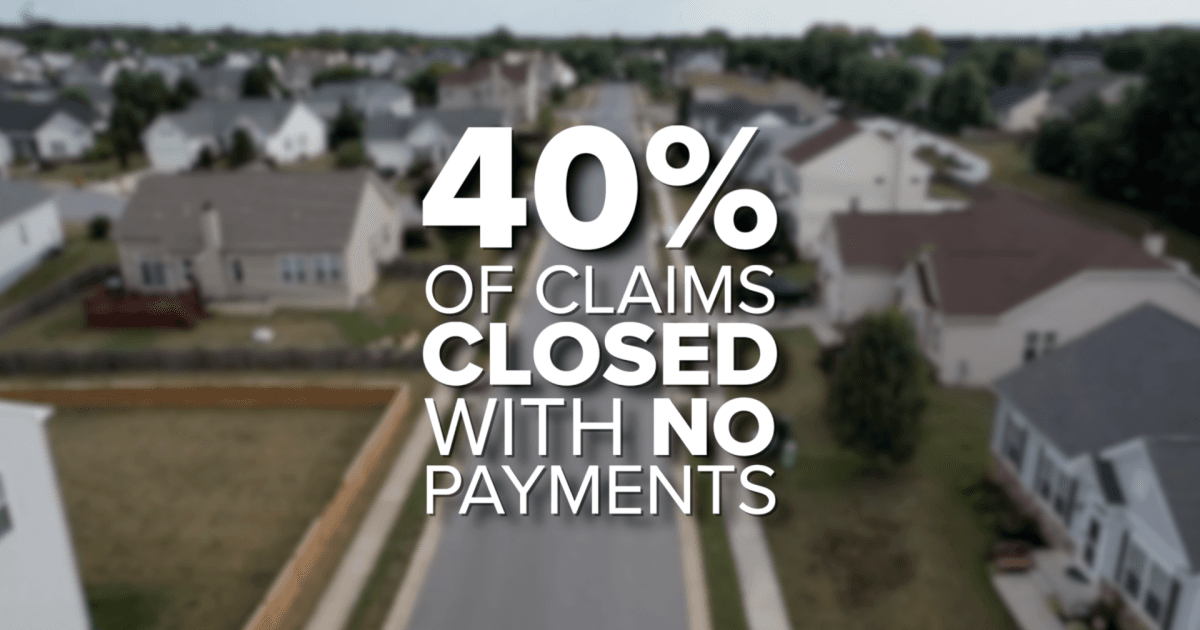
Florida homeowners are paying nearly double the national average for insurance, with premiums now reaching $5,838 a year and denied claims topping 40 percent. Residents report tripled rates, underpaid claims, and mounting financial strain, pushing lawmakers in Tallahassee to propose caps on rate hikes, tax breaks for storm‑proof upgrades, and tighter oversight of insurers. These developments are reshaping real estate and insurance conversations across the state as professionals brace for major industry shifts.
Berkshire County closed Q3 2025 with strong momentum as sales, dollar volume, and buyer competition all climbed year‑over‑year. Inventory showed slight improvement but remains far below demand, keeping the market tilted toward sellers. Single‑family homes and condos led the surge, while multifamily, land, and commercial sectors showed mixed performance. The region continues to stand out as one of New England’s most resilient real estate markets heading into 2026.
Florida homeowners now face the highest insurance burdens in the nation, with average premiums topping $5,800 per year—roughly $3,000 above the national average. As rates triple for some residents, more Floridians are skipping coverage altogether, while denied claims and slow payouts add to the frustration. With over 40 percent of claims closing with no payment and lawmakers battling over reform in Tallahassee, the crisis is reshaping budgets, homebuying decisions, and the real estate industry statewide.
Global capital is surging back into real estate—and this time, investors want more control. Colliers’ 2026 Global Investor Outlook reveals a major shift toward direct investments, joint ventures, and hands‑on strategies as money moves across North America, Europe, and the booming Asia‑Pacific markets. Data centers are now the top‑funded asset class, offices are staging a comeback, and adaptive reuse is reshaping cities worldwide. For real estate and finance professionals, the message is clear: opportunity is accelerating, and those with the right education and licensing will be at the center of the action.
The Fed’s recent rate cuts should have offered relief to commercial real estate—but long-term borrowing costs haven’t budged. While short‑term rates are falling, stubborn long‑term yields, broken deal math, and a trillion‑dollar refinancing wave are keeping the market frozen. For investors and professionals across Florida and the nation, understanding this disconnect is key to navigating the opportunities and risks emerging in today’s shifting CRE landscape.