Florida’s Property Insurance Shake-Up: Citizens Rates Drop Again — And This Time, It’s Big
Florida homeowners just received a rare dose of good insurance news. After years of relentless premium hikes, the state‑backed Citizens Property Insurance Corp. is preparing to reduce multiperil homeowners’ rates by an average of 8.7% statewide — a significant jump from the modest 2.6% reduction first announced in December.
This newly revised decrease comes from state regulators and was unveiled by Gov. Ron DeSantis in Davie, who called the original proposal “milquetoast” and pushed for adjustments that more accurately reflect the improving market landscape.
A Historic Drop in a Once-Crushing Market
The fall in rates follows sweeping reforms passed in 2022 and 2023, which sharply limited policyholders’ ability to sue insurers — a shift many analysts credit with stabilizing Florida’s turbulent insurance market. With fewer lawsuits and a calm 2025 hurricane season, the state’s insurance environment is finally showing signs of recovery.
South Florida homeowners, long burdened with the steepest premiums, stand to benefit most. With projected decreases ranging between 11% and 14%, the relief is substantial. Meanwhile, other counties await updated numbers from the Office of Insurance Regulation.
Citizens spokesperson Michael Peltier noted that the insurer itself did not expect such aggressive downward adjustments — highlighting just how sharply regulators chose to act.
Other States Catching Up — But Floridians Still Pay a Premium
Gov. DeSantis emphasized that states like Nebraska and Louisiana now surpass Florida in average homeowners insurance premiums. But despite this shift, surveys consistently reveal that Floridians still feel the weight of high insurance costs.
A few years ago, insurers were rapidly exiting Florida, with some collapsing entirely. Premiums were jumping by as much as one‑third annually. Now, however, the tide has turned: 17 new insurers have entered the market, Citizens has shed more than a million policies, and financial conditions have strengthened across the board.
Auto Insurance Costs Are Falling Too
Florida’s momentum isn’t limited to homeowners policies. Officials highlighted recent auto insurance reductions by Progressive, State Farm, AAA, and USAA — with even rideshare costs like Uber trips dropping as a result.
The Catch: Lower Premiums, But Less Coverage?
Despite the good news, not everyone is celebrating. Attorney Joe Ligman, who represents policyholders in disputes, warns that reduced coverage limits — such as Citizens’ $10,000 cap on most water‑damage claims — could leave homeowners painfully exposed in emergencies.
Other reforms now allow Citizens to move lawsuits into state administrative courts, removing jury trials from the equation and often favoring insurers. Homeowners are getting lower premiums — but only after surrendering significant legal leverage.
Where Things Go Next
As spring renewals begin, homeowners should expect the new rates to roll out. However, rising property values and climbing construction costs may offset some of the savings policyholders hope for.
Florida’s insurance market appears more stable than it has in years — but whether homeowners will feel those savings remains an open question.
For Florida Professionals Tracking These Changes
Insurance trends shape more than homeownership — they influence lending, real estate markets, and long-term property valuations. If you’re building a career in Florida real estate or expanding into mortgage, finance, or insurance, Cameron Academy offers licensing and continuing education programs trusted by professionals statewide.
Explore Florida real estate and insurance licensing at Cameron Academy: cameronacademy.com
Original reporting by the USA TODAY Network Florida.
Read the full source article here: Palm Beach Post.
More Articles
Getting licensed or staying ahead in your career can be a journey—but it doesn’t have to be overwhelming. Grab your favorite coffee or tea, take a moment to relax, and browse through our articles. Whether you’re just starting out or renewing your expertise, we’ve got tips, insights, and advice to keep you moving forward. Here’s to your success—one sip and one step at a time!
Los Alamitos Race Course is facing its most serious crisis in years after 18 horses died in 2025, prompting regulators to warn the track that its racing license is at risk without immediate safety reforms. Following three catastrophic injuries in a single day, the California Horse Racing Board has ordered urgent changes—including more veterinarians, stricter medication rules, and enhanced on‑track medical support—as pressure mounts for stronger oversight in a sport already under national scrutiny.
Canadian investors have poured more than US$5.8 billion into U.S. commercial real estate this year, making the U.S. their top destination even amid a lingering tariff dispute. Tight inventory in Canada and greater deal availability south of the border are driving the trend, with data centers and industrial properties emerging as the hottest targets for 2025.
Florida’s insurance commissioner says even industry pros struggle to read today’s 150‑page homeowners policies—leaving residents shocked when hurricane claims are denied. With rising premiums, high replacement costs, and widespread confusion over exclusions like flood and water damage, the state is pushing for simpler, clearer policy language so homeowners know what they’re actually covered for before the next storm hits.
Following the 2025 elections, major metros like New York, Chicago, Miami, Los Angeles, and Boston are implementing policy shifts that could reshape property values, rental income, development timelines, and investment strategy heading into 2026. From New York’s push toward aggressive rent reform to Chicago’s sustainability mandates and Miami’s uncertain mayoral runoff, these changes signal a new era where local politics increasingly dictate market performance. This breakdown highlights the biggest post‑election real estate pivots and what they mean for investors, agents, and finance professionals preparing for a rapidly evolving landscape.
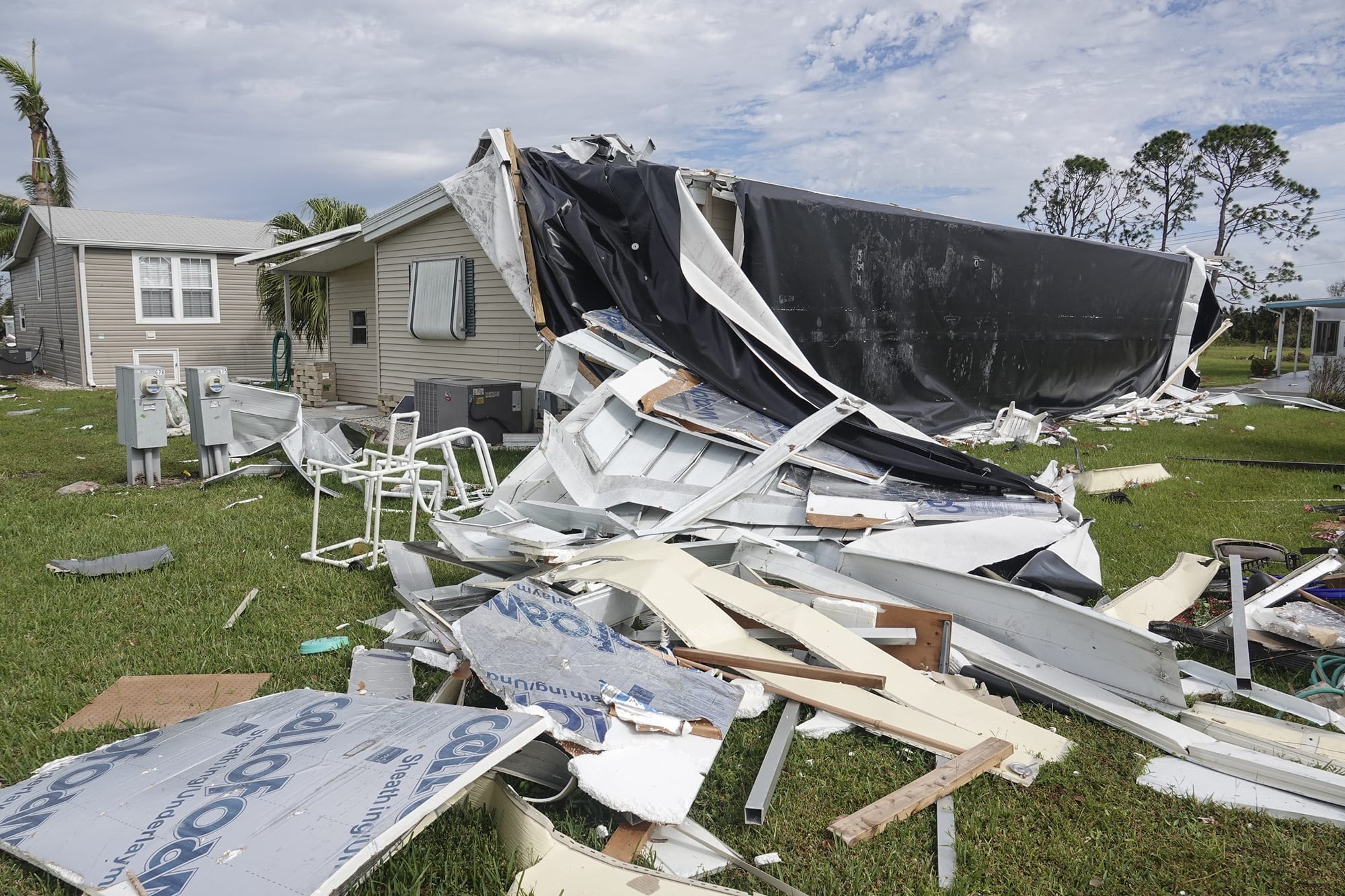
Florida’s Insurance Commissioner is sounding the alarm after thousands of homeowners discovered—only after hurricanes Helene and Milton—that the coverage they thought they had didn’t exist. With nearly 150,000 unpaid claims tied to misunderstood flood exclusions, water‑damage caps, and buried policy clauses, state leaders are pushing to simplify the dense, confusing documents most Floridians never read. As insurance costs remain one of the state’s top concerns, this growing complexity is creating a massive opportunity for real estate, mortgage, and insurance professionals to guide consumers before disaster strikes.
Florida’s insurance market is reliving an old crisis under a new name. Despite reforms meant to stabilize the system, homeowners are being forced out of Citizens and into pricier policies from small insurers with shaky financial histories. Companies tied to past insolvencies are returning with fresh branding, while highly rated carriers continue to deny a majority of claims. With political influence muddying regulation and climate risks rising, experts warn that only a full structural overhaul—not cosmetic reforms—can restore confidence for homeowners, agents, and the entire real estate market.