Florida’s Property Insurance Shake-Up: Citizens Rates Drop Again — And This Time, It’s Big
Florida homeowners just received a rare dose of good insurance news. After years of relentless premium hikes, the state‑backed Citizens Property Insurance Corp. is preparing to reduce multiperil homeowners’ rates by an average of 8.7% statewide — a significant jump from the modest 2.6% reduction first announced in December.
This newly revised decrease comes from state regulators and was unveiled by Gov. Ron DeSantis in Davie, who called the original proposal “milquetoast” and pushed for adjustments that more accurately reflect the improving market landscape.
A Historic Drop in a Once-Crushing Market
The fall in rates follows sweeping reforms passed in 2022 and 2023, which sharply limited policyholders’ ability to sue insurers — a shift many analysts credit with stabilizing Florida’s turbulent insurance market. With fewer lawsuits and a calm 2025 hurricane season, the state’s insurance environment is finally showing signs of recovery.
South Florida homeowners, long burdened with the steepest premiums, stand to benefit most. With projected decreases ranging between 11% and 14%, the relief is substantial. Meanwhile, other counties await updated numbers from the Office of Insurance Regulation.
Citizens spokesperson Michael Peltier noted that the insurer itself did not expect such aggressive downward adjustments — highlighting just how sharply regulators chose to act.
Other States Catching Up — But Floridians Still Pay a Premium
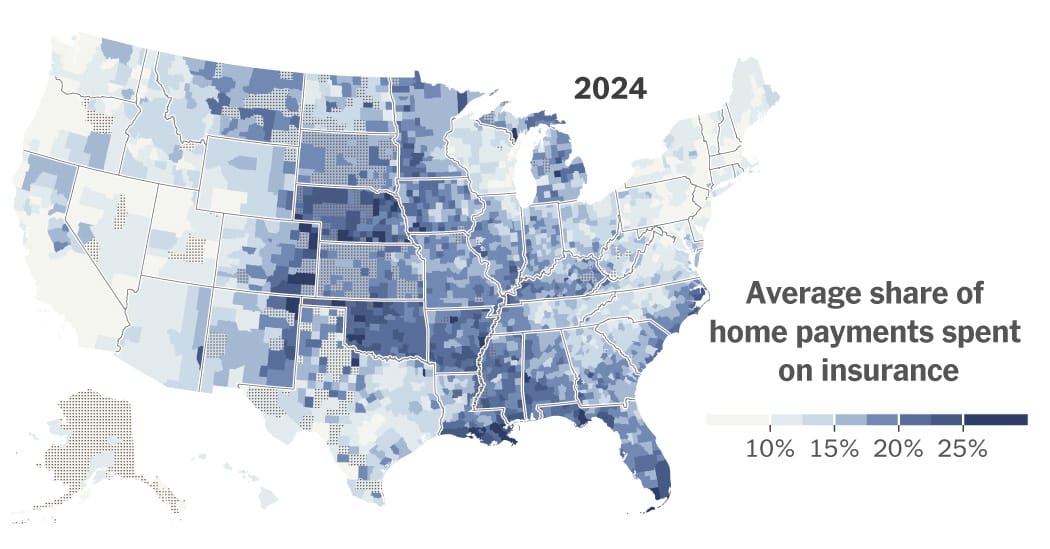
Gov. DeSantis emphasized that states like Nebraska and Louisiana now surpass Florida in average homeowners insurance premiums. But despite this shift, surveys consistently reveal that Floridians still feel the weight of high insurance costs.
A few years ago, insurers were rapidly exiting Florida, with some collapsing entirely. Premiums were jumping by as much as one‑third annually. Now, however, the tide has turned: 17 new insurers have entered the market, Citizens has shed more than a million policies, and financial conditions have strengthened across the board.
Auto Insurance Costs Are Falling Too
Florida’s momentum isn’t limited to homeowners policies. Officials highlighted recent auto insurance reductions by Progressive, State Farm, AAA, and USAA — with even rideshare costs like Uber trips dropping as a result.
The Catch: Lower Premiums, But Less Coverage?
Despite the good news, not everyone is celebrating. Attorney Joe Ligman, who represents policyholders in disputes, warns that reduced coverage limits — such as Citizens’ $10,000 cap on most water‑damage claims — could leave homeowners painfully exposed in emergencies.
Other reforms now allow Citizens to move lawsuits into state administrative courts, removing jury trials from the equation and often favoring insurers. Homeowners are getting lower premiums — but only after surrendering significant legal leverage.
Where Things Go Next
As spring renewals begin, homeowners should expect the new rates to roll out. However, rising property values and climbing construction costs may offset some of the savings policyholders hope for.
Florida’s insurance market appears more stable than it has in years — but whether homeowners will feel those savings remains an open question.
For Florida Professionals Tracking These Changes
Insurance trends shape more than homeownership — they influence lending, real estate markets, and long-term property valuations. If you’re building a career in Florida real estate or expanding into mortgage, finance, or insurance, Cameron Academy offers licensing and continuing education programs trusted by professionals statewide.
Explore Florida real estate and insurance licensing at Cameron Academy: cameronacademy.com
Original reporting by the USA TODAY Network Florida.
Read the full source article here: Palm Beach Post.
More Articles
Getting licensed or staying ahead in your career can be a journey—but it doesn’t have to be overwhelming. Grab your favorite coffee or tea, take a moment to relax, and browse through our articles. Whether you’re just starting out or renewing your expertise, we’ve got tips, insights, and advice to keep you moving forward. Here’s to your success—one sip and one step at a time!
A surge in home insurance premiums is reshaping housing markets across the country, hitting disaster‑prone regions the hardest. From Louisiana to Colorado and California, deals are collapsing, buyers are backing out, and home values are dropping as insurance becomes a central affordability hurdle. New data shows climate‑driven risk repricing and soaring reinsurance costs are stripping tens of thousands of dollars from property values, forcing some homeowners to sell at a loss—or go uninsured altogether.
After years of sluggish activity, the National Association of REALTORS predicts 2026 could mark the long‑awaited rebound for the housing market. With a projected 14% jump in home sales, steadier rates near 6%, and rising buyer activity, NAR economists say momentum is already building. Early signs—like a 31% surge in mortgage applications, continued job growth, and stabilizing prices—suggest a stronger, more confident market ahead, creating fresh opportunities for both seasoned professionals and aspiring agents preparing to enter the field.
A surge of global capital is reshaping real estate heading into 2026, with investors shifting toward hands‑on strategies, cross‑border diversification, and high‑growth asset classes like data centers. Colliers’ 2026 Global Investor Outlook highlights rising confidence, improving liquidity, and a major pivot toward direct investing and value‑add opportunities. From office market rebounds to Asia Pacific’s rapid fundraising growth, the report outlines trends every real estate professional should understand as the industry enters a more dynamic, opportunity‑rich cycle.
Culver City just became the first place in California to legalize six‑story apartment buildings with only one staircase — a simple change that could reshape mid‑rise housing statewide. By freeing up as much as 7% more usable floor space, architects say single‑stair designs allow bigger units, more windows, and the kind of elegant layouts common in New York and Europe. If the city’s six‑year experiment succeeds, it may spark a broader rethinking of U.S. building codes and open the door to more flexible, affordable multifamily development across California.
Stratford homeowners are receiving their 2025 Notices of Assessment Change, marking the town’s first property revaluation since 2019. Officials emphasize that rising assessments do not equal higher tax bills, as a new mill rate won’t be set until spring 2026. Residents can challenge or review their updated valuations through informal hearings hosted by Vision Government Solutions, with appointments available for one week after receiving a notice.
New reporting reveals Florida homeowners now face an average insurance premium of $5,838 per year — nearly triple the national average. With skyrocketing rates, denied claims, and mounting non-renewals, residents are being pushed to tough financial decisions while lawmakers scramble to implement reforms. From retirees skipping coverage to families battling insurers for fair payouts, Florida’s insurance crisis is reshaping both the housing market and the daily lives of homeowners statewide.