Florida’s Property Insurance Market: What’s Really Happening in 2026?
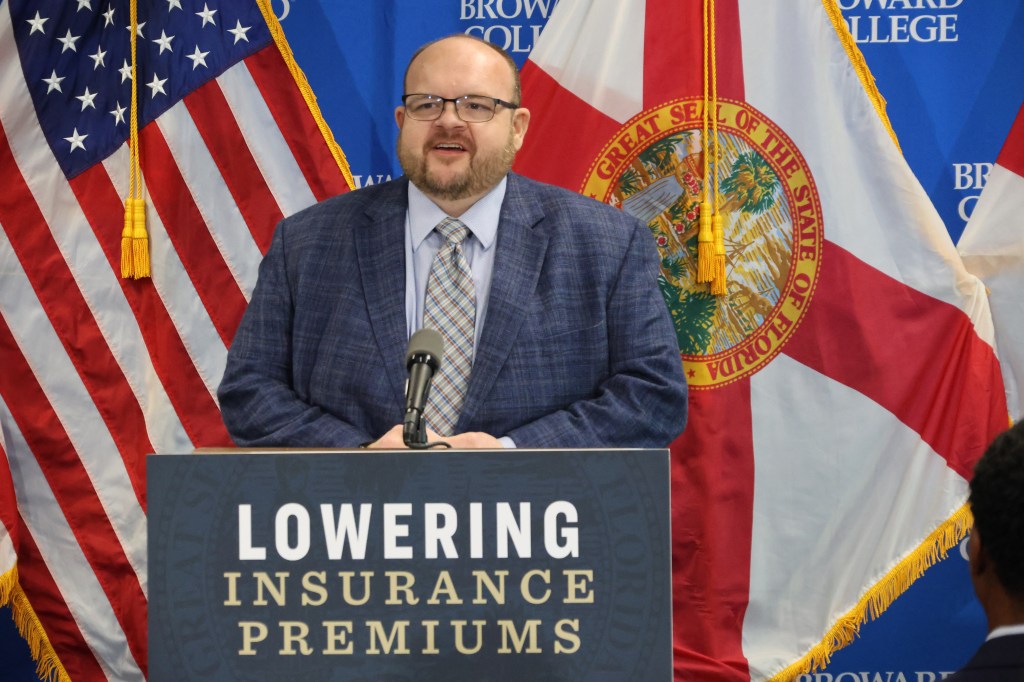
Florida Insurance Commissioner Michael Yaworsky shares powerful insights on the state’s rapidly evolving property insurance landscape, offering a rare look behind the curtain at what homeowners, insurance agents, and real estate professionals should expect in the coming years.
The Sunshine State has weathered turbulent insurance cycles over the past decade, but according to Yaworsky, calmer seas may finally be forming on the horizon. In an interview originally published by the Sun Sentinel, he breaks down market stabilization, Citizens Property Insurance depopulation, and the complicated dynamics shaping rates and premiums across Florida.
Stabilization at Last: Lowest Rate Increases in the Nation
After years of skyrocketing premiums, litigation spikes, and heavy storm seasons, Florida’s property insurance system is showing real signs of recovery. Yaworsky notes that Florida posted the lowest rate increases in the country last year—about 1%—while states like Nebraska saw increases in the 20%–30% range.
“We are seeing good news emerge on just about every front,” he explains, crediting the reforms of 2022 and 2023 for reducing fraud, cutting litigation, and alleviating systemic pressure.
Rates vs. Premiums: Why Homeowners Still Feel the Squeeze
Many Floridians still wonder why premiums feel high even when insurers are filing for rate decreases. Yaworsky clarifies that premiums are tied heavily to the replacement value of a home—a factor deeply influenced by inflation.
Between 2020 and 2024, the total insured value of Florida’s housing market surged by up to 50%. Even as rates level off or decrease, construction costs keep premiums elevated.
“As much as it may not feel like you’re seeing the benefits, I think you will over time,” Yaworsky assures.
Citizens Shrinks: A Sign of a Healthier Market
Citizens Property Insurance Corp., Florida’s long‑standing “insurer of last resort,” has dropped below 400,000 policies—down dramatically from 1.4 million in 2023. This contraction signals a healthier private market, not a forced reduction.
Citizens’ strong surplus has historically shielded Floridians from special assessments, even through heavy storm cycles and legal challenges. Yaworsky insists that Citizens must remain a strong but small backup insurer to ensure Florida’s long-term stability.
Health Insurance: A New Challenge Emerges
While property insurance stabilizes, health insurance in Florida now faces double‑digit increases. Many of these pressures stem from federal policy shifts. Still, the OIR is stepping in to prevent insurers from issuing windfall dividends if projected cost drivers fail to materialize.
Yaworsky believes the entire health system may be due for a “long, hard look” focused on efficiency and fairness for consumers.
Legislative Priorities for 2026
The Office of Insurance Regulation aims to defend the reforms that helped stabilize Florida’s market—especially as some legislators push to undo them.
Key OIR initiatives include:
Clearer, more transparent declarations pages
Streamlined mitigation credits to reward homeowners
New AI regulations ensuring savings reach consumers
Long‑range planning for Florida’s insurance landscape through 2050
What This Means for Florida Professionals
For real estate agents, insurance professionals, property managers, and mortgage specialists, these shifts will shape the landscape for years to come. Understanding this emerging stability—and being able to explain it confidently to clients—will soon be a major competitive differentiator.
If you’re building or expanding a career in real estate, insurance, finance, or other professional licensing fields, institutions like Cameron Academy offer the education, expertise, and current market insight needed to stay ahead in an evolving industry.
Looking Ahead
With Florida’s insurance market entering what may be a long‑awaited period of sustained stability, Yaworsky stresses the importance of long-term planning. Since Hurricane Andrew, Florida has endured three major insurance crises—and he hopes today’s reforms will prevent a fourth.
For now, Florida professionals can step into 2026 with cautious optimism and a clearer understanding of what’s shaping the future of the state’s insurance landscape.
More Articles
Getting licensed or staying ahead in your career can be a journey—but it doesn’t have to be overwhelming. Grab your favorite coffee or tea, take a moment to relax, and browse through our articles. Whether you’re just starting out or renewing your expertise, we’ve got tips, insights, and advice to keep you moving forward. Here’s to your success—one sip and one step at a time!
Lofty has launched the industry’s first Agentic AI Operating System, a breakthrough platform that doesn’t just follow commands—it plans, executes, evaluates, and adapts entire workflows on its own. Designed specifically for real estate professionals, the system acts like an AI “orchestra,” coordinating specialized agents for lead qualification, marketing, SEO, transaction management, website creation, and more. With leaders calling this a major leap beyond traditional tools, Lofty AOS signals a new era where agents can focus on relationships and closings while AI handles the heavy lifting.
Florida’s insurance landscape is finally showing signs of stability as private insurers return and Citizens Property Insurance drops below 400,000 policies. Insurance Commissioner Michael Yaworsky says reforms are working, but homeowners may not feel relief yet as inflation and rebuilding costs keep premiums high. With transparency improvements, mitigation credits, and new AI regulations on the horizon, Florida aims to avoid another insurance crisis while keeping the market competitive and consumer‑friendly.
Mortgage rates just hit their lowest point since 2022, closing January at 6.18% and giving buyers and industry professionals a rare moment of relief. But while the Federal Reserve continues to pause rate hikes, economists warn that significant declines are unlikely. Most forecasts show rates hovering near 6% through 2026, with political uncertainty and inflation keeping markets volatile. For now, stability may be the best we get — and even that could be temporary.
Propy, a fast-growing real estate tech firm blending AI automation with blockchain-backed transaction systems, has secured a major $100 million credit facility to accelerate nationwide title company consolidation. The funding aims to modernize the traditionally slow, paper-heavy closing process, offering real estate professionals a faster, more secure, and more transparent experience. As automation reshapes the industry, staying educated on emerging technology will be essential for agents, brokers, mortgage professionals, and investors looking to stay competitive.
Escrow payments in Florida have jumped an astonishing 70% since 2019, far outpacing the national average and now consuming nearly 38% of a typical monthly mortgage payment. Surging insurance premiums and rising property taxes are driving the increase, reshaping affordability for homeowners and pricing out many would‑be buyers.
After losing their Altadena home in the LA wildfires, Jessica and Matt Conkle expected State Farm to help them rebuild. Instead, they faced months of delays, low valuations, and stalled claims — a struggle shared by nearly 80 percent of wildfire survivors. As insurers pull out of high‑risk areas and premiums soar, the crisis is reshaping homeownership, tightening mortgage approvals, and straining government safety nets. What’s happening in California is rapidly becoming a national issue, with real estate, mortgage, and insurance professionals on the front lines of a system under unprecedented pressure.