Florida’s Property Insurance Market: What’s Really Happening in 2026?
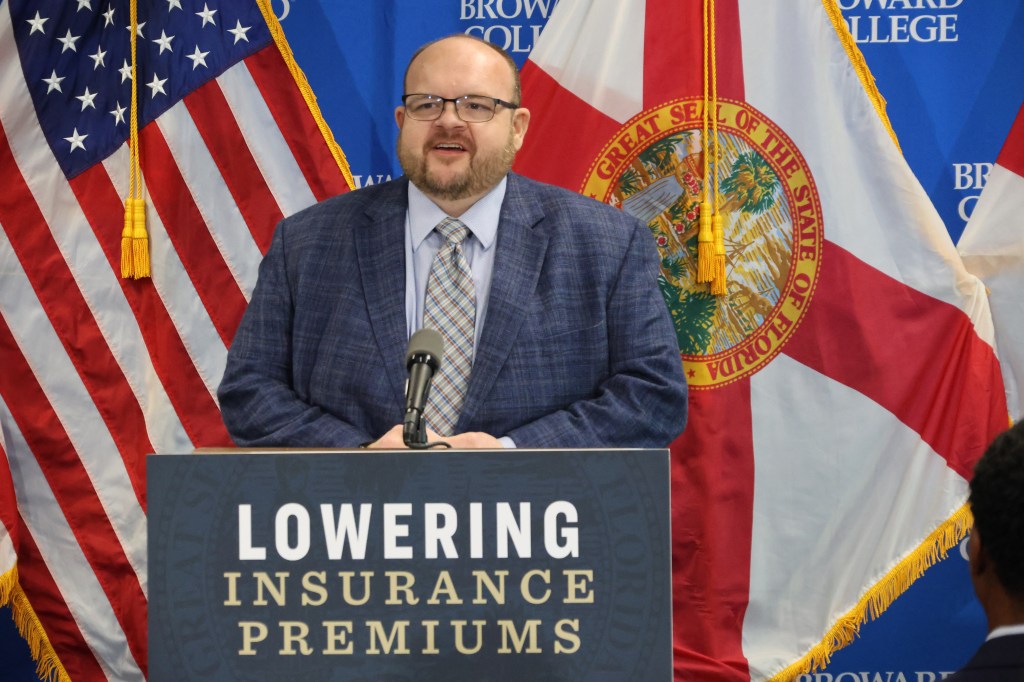
Florida Insurance Commissioner Michael Yaworsky shares powerful insights on the state’s rapidly evolving property insurance landscape, offering a rare look behind the curtain at what homeowners, insurance agents, and real estate professionals should expect in the coming years.
The Sunshine State has weathered turbulent insurance cycles over the past decade, but according to Yaworsky, calmer seas may finally be forming on the horizon. In an interview originally published by the Sun Sentinel, he breaks down market stabilization, Citizens Property Insurance depopulation, and the complicated dynamics shaping rates and premiums across Florida.
Stabilization at Last: Lowest Rate Increases in the Nation
After years of skyrocketing premiums, litigation spikes, and heavy storm seasons, Florida’s property insurance system is showing real signs of recovery. Yaworsky notes that Florida posted the lowest rate increases in the country last year—about 1%—while states like Nebraska saw increases in the 20%–30% range.
“We are seeing good news emerge on just about every front,” he explains, crediting the reforms of 2022 and 2023 for reducing fraud, cutting litigation, and alleviating systemic pressure.
Rates vs. Premiums: Why Homeowners Still Feel the Squeeze
Many Floridians still wonder why premiums feel high even when insurers are filing for rate decreases. Yaworsky clarifies that premiums are tied heavily to the replacement value of a home—a factor deeply influenced by inflation.
Between 2020 and 2024, the total insured value of Florida’s housing market surged by up to 50%. Even as rates level off or decrease, construction costs keep premiums elevated.
“As much as it may not feel like you’re seeing the benefits, I think you will over time,” Yaworsky assures.
Citizens Shrinks: A Sign of a Healthier Market
Citizens Property Insurance Corp., Florida’s long‑standing “insurer of last resort,” has dropped below 400,000 policies—down dramatically from 1.4 million in 2023. This contraction signals a healthier private market, not a forced reduction.
Citizens’ strong surplus has historically shielded Floridians from special assessments, even through heavy storm cycles and legal challenges. Yaworsky insists that Citizens must remain a strong but small backup insurer to ensure Florida’s long-term stability.
Health Insurance: A New Challenge Emerges
While property insurance stabilizes, health insurance in Florida now faces double‑digit increases. Many of these pressures stem from federal policy shifts. Still, the OIR is stepping in to prevent insurers from issuing windfall dividends if projected cost drivers fail to materialize.
Yaworsky believes the entire health system may be due for a “long, hard look” focused on efficiency and fairness for consumers.
Legislative Priorities for 2026
The Office of Insurance Regulation aims to defend the reforms that helped stabilize Florida’s market—especially as some legislators push to undo them.
Key OIR initiatives include:
Clearer, more transparent declarations pages
Streamlined mitigation credits to reward homeowners
New AI regulations ensuring savings reach consumers
Long‑range planning for Florida’s insurance landscape through 2050
What This Means for Florida Professionals
For real estate agents, insurance professionals, property managers, and mortgage specialists, these shifts will shape the landscape for years to come. Understanding this emerging stability—and being able to explain it confidently to clients—will soon be a major competitive differentiator.
If you’re building or expanding a career in real estate, insurance, finance, or other professional licensing fields, institutions like Cameron Academy offer the education, expertise, and current market insight needed to stay ahead in an evolving industry.
Looking Ahead
With Florida’s insurance market entering what may be a long‑awaited period of sustained stability, Yaworsky stresses the importance of long-term planning. Since Hurricane Andrew, Florida has endured three major insurance crises—and he hopes today’s reforms will prevent a fourth.
For now, Florida professionals can step into 2026 with cautious optimism and a clearer understanding of what’s shaping the future of the state’s insurance landscape.
More Articles
Getting licensed or staying ahead in your career can be a journey—but it doesn’t have to be overwhelming. Grab your favorite coffee or tea, take a moment to relax, and browse through our articles. Whether you’re just starting out or renewing your expertise, we’ve got tips, insights, and advice to keep you moving forward. Here’s to your success—one sip and one step at a time!
Nevada has enacted a first‑in‑the‑nation law permitting insurers to sell homeowners policies that exclude wildfire coverage, a move supporters say could help stabilize premiums but critics warn may leave homeowners financially devastated. The policy shift positions Nevada as a testing ground for potential nationwide changes, raising major implications for real estate, mortgage, and insurance professionals as lenders, high‑risk communities, and regulators navigate the evolving landscape.
Tampa Bay’s office sector just delivered its most powerful year in nearly a decade, according to JLL’s Q4 2025 report. With more than 600,000 square feet of positive net absorption, falling vacancies, shrinking inventory, and major tenants like Fisher Investments and GEICO locking in massive leases, the region is emerging as one of the nation’s strongest post‑recovery office markets. The surge in demand for high‑quality space is driving rents up, tightening supply, and setting the stage for continued momentum into 2026.
The Consumer Financial Protection Bureau has proposed new updates to the Nationwide Mortgage Licensing System and Registry, expanding data collection, tightening verification standards, and refreshing record‑retention rules. These changes aim to strengthen background checks, enhance regulatory oversight, and align the system with federal requirements—impacting both current and aspiring mortgage loan originators nationwide.
Nevada has become the first state to let insurers sell homeowners policies that exclude wildfire coverage — a dramatic shift that could reshape insurance pricing across the West. Supporters say the move may lower premiums and spark innovation, while critics warn it could leave homeowners exposed to devastating losses. As regulators and insurers nationwide watch closely, the experiment could have major implications for real estate, mortgages, and insurance markets.
After years of soaring premiums and insurer failures, Florida lawmakers are rolling out a new slate of reforms aimed at finally delivering relief to homeowners. From cracking down on profit‑sharing affiliates to unveiling hidden rate factors and rewarding claim‑free residents, these proposals could reshape the state’s insurance landscape — and bring real savings to property owners and real estate professionals alike.
With traditional CRE lending slowing nationwide, C‑PACE financing is surging to all‑time highs — including a record‑setting $465 million loan for a major D.C. redevelopment. Backed by long repayment terms, fixed rates, and tax‑assessment security, C‑PACE is rapidly becoming a preferred tool for funding energy efficiency, resiliency upgrades, and even large‑scale project recapitalizations. Major players like Nuveen Green Capital and Peachtree Group are driving billions in new volume as 40 states adopt the program, signaling a major shift in how commercial real estate projects are financed.