Florida’s Home Insurance Crisis Reaches a Breaking Point
Florida homeowners are facing some of the highest insurance premiums in the nation, and fresh data is painting an even clearer picture of how sharply the landscape has shifted. According to a new Bankrate.com report, the average homeowner in the state now pays $5,838 per year—nearly $3,000 more than the typical American household.
For many Floridians, these numbers are more than statistics. They represent a growing financial burden affecting families, retirees, investors, and everyday homeowners who are being forced into tough financial choices.
Interactive: Explore the Original WPTV Report
Tap to dive deeper into WPTV’s full investigation on Florida’s rising insurance premiums.
“Everything’s Tripled”: Homeowners Speak Out
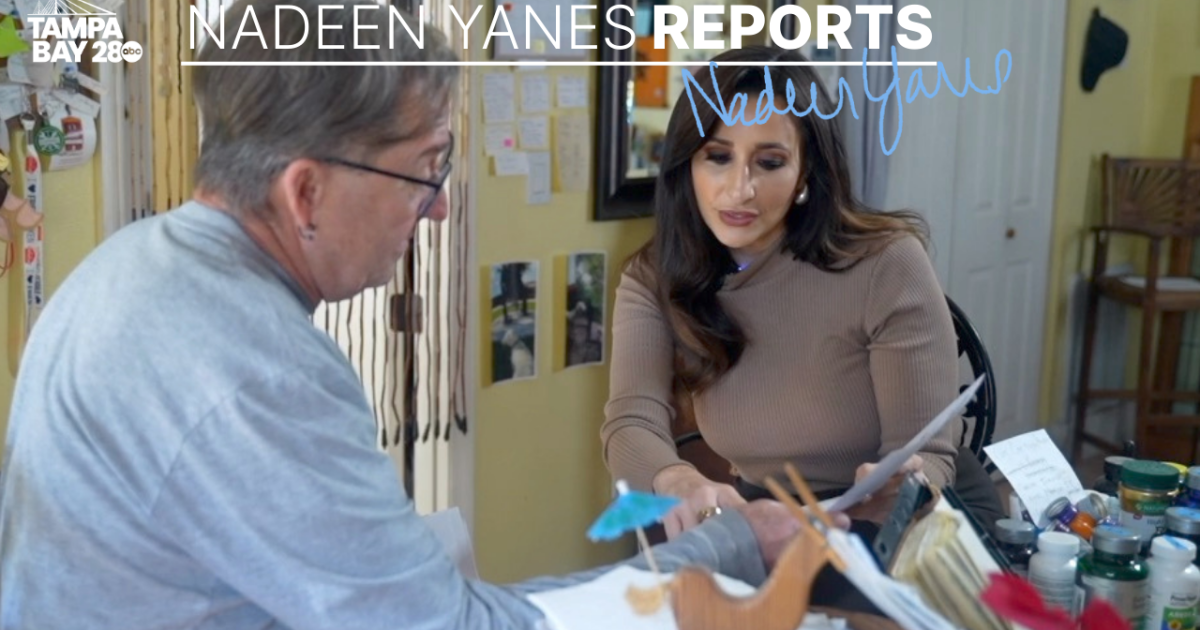
West Palm Beach resident Jeff Heun saw his homeowner’s insurance steadily increase from about $3,400 a year to nearly three times that amount—despite never filing a claim.
“Oh yeah, everything’s tripled,” Heun told WPTV. He even avoided using his insurance altogether out of fear that a single claim would cause his premiums to skyrocket.
Other residents describe a similar squeeze: mandatory windstorm coverage, rising deductibles, and limited insurer options have narrowed the choices available to Florida families.
When Claims Fall Short
For some Floridians, the pain doesn’t stop at high premiums—it extends to the claims process itself. In Loxahatchee, Bob and Pam Fix suffered more than $40,000 in tornado damage. Their insurer initially offered a mere $4,500, later raising it to $7,000.
After WPTV investigative reporter Kate Hussey stepped in, the Fix family finally received their full approved amount of $41,000.
See How WPTV Helped a Family Get Justice
View the full investigative breakdown here.
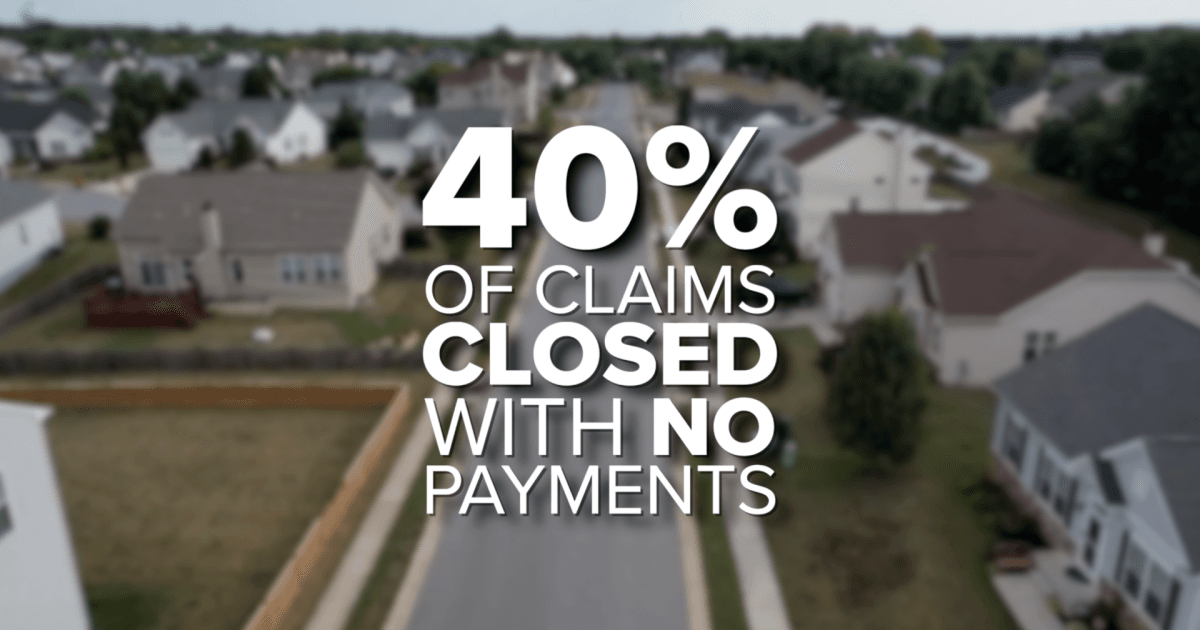
Recent data shows Florida has one of the highest rates of denied homeowner claims—over 40% are closed with no payout. The state also leads the nation in policy nonrenewals, with insurers dropping 3.3% of homeowners.
Calls for Reform Grow Louder
Dr. Martin Weiss of Weiss Ratings warns the situation will continue to deteriorate without meaningful reform. Weiss, alongside State Senator Carlos Guillermo Smith, is pushing for stricter oversight between insurers and managing general agents.
Smith argues that inflated fees are “padding pockets” while placing crushing burdens on Floridians paying the country’s highest insurance costs.
Proposed reforms include:
Capping yearly premium increases between 10–15%
Removing taxes on impact-resistant home upgrades
Increasing accountability and transparency for insurance carriers
With Florida’s political climate and Republican supermajority, the legislative battle ahead is expected to be intense—but the pressure to act has never been greater.
The Bigger Picture for Real Estate Professionals
This insurance instability affects far more than homeowners. Real estate agents, mortgage lenders, insurance professionals, and property managers must constantly adapt as premiums influence affordability, market competitiveness, and long-term value.
For professionals advancing in these fields, staying informed is essential. Institutions like Cameron Academy equip current and aspiring industry experts with the knowledge they need to navigate changing markets, evolving regulations, and the financial realities facing today’s consumers.
As lawmakers debate solutions in Tallahassee, one truth stands strong: the future of Florida’s housing market—and the careers built around it—depends on the reforms that come next.
More Articles
Getting licensed or staying ahead in your career can be a journey—but it doesn’t have to be overwhelming. Grab your favorite coffee or tea, take a moment to relax, and browse through our articles. Whether you’re just starting out or renewing your expertise, we’ve got tips, insights, and advice to keep you moving forward. Here’s to your success—one sip and one step at a time!
Artificial intelligence has shifted from futuristic idea to everyday assistant for real estate professionals. Instead of replacing agents, AI now enhances their workflows—automating repetitive tasks, improving communication, strengthening branding, and turning complex market data into clear insights. From smarter CRMs to AI-powered marketing tools, today’s agents can focus more on relationships and client service while technology handles the busywork behind the scenes.
A Florida House committee is advancing a bill that would crack down on insurers shifting profits to affiliated companies — a practice highlighted by recent investigative reporting. With premiums soaring and options shrinking, the proposed oversight could reshape the state’s insurance landscape and create ripple effects across the real estate market, impacting buyers, agents, and investors statewide.
Proptech podcast *Tangent* marks its 100th episode with an inside look at Airbnb’s evolving role in multifamily housing. Featuring Airbnb Real Estate Marketing Leader Eliza Lochner, the episode explores the rapid growth of Airbnb‑friendly apartments, the rise of flexible‑living models, and why renters and property owners are increasingly embracing hosting as a way to balance affordability, transparency, and control. For today’s real estate professionals—especially in fast‑changing markets like Florida—the conversation highlights major shifts in tenant expectations, property management strategies, and the intersection of technology, hospitality, and residential development.
A Tampa Heights homeowner has joined the growing wave of Floridians dropping property insurance altogether after his 2026 renewal skyrocketed to $14,523. With up to 20% of residents now going bare, experts warn that soaring rates, shrinking coverage options, and post‑storm losses are pushing many to take risky measures — even as alternatives like liability‑only plans, dropped wind coverage, or home‑hardening upgrades may offer relief.
A major ERAS overhaul is coming in 2027, replacing the familiar “publications” field with a more rigorous category called “scholarly works.” Only peer‑reviewed submissions—such as manuscripts, abstracts, book chapters, and presentations—will qualify, shifting greater emphasis toward high‑quality research. While the change aims to give residency directors clearer insight into applicants’ academic contributions, many students worry that advocacy and policy work may lose visibility. As programs lean more heavily on research output in a post–Step 1 pass/fail era, future applicants will need to showcase not just what they’ve produced, but the depth and meaning behind it.
Mortgage rates have ticked back up to 6.25% after a brief dip, signaling a return to stability in the housing market. With rising inventory, moderating prices, and forecasts calling for steady rates through 2026, real estate and finance professionals can expect a more predictable environment ahead. This shift opens the door to smoother transactions, improved buyer confidence, and stronger opportunities for career growth across mortgage, real estate, insurance, and related fields.