Florida’s Home Insurance Crisis Reaches a Breaking Point
Florida homeowners are facing some of the highest insurance premiums in the nation, and fresh data is painting an even clearer picture of how sharply the landscape has shifted. According to a new Bankrate.com report, the average homeowner in the state now pays $5,838 per year—nearly $3,000 more than the typical American household.
For many Floridians, these numbers are more than statistics. They represent a growing financial burden affecting families, retirees, investors, and everyday homeowners who are being forced into tough financial choices.
Interactive: Explore the Original WPTV Report
Tap to dive deeper into WPTV’s full investigation on Florida’s rising insurance premiums.
“Everything’s Tripled”: Homeowners Speak Out
West Palm Beach resident Jeff Heun saw his homeowner’s insurance steadily increase from about $3,400 a year to nearly three times that amount—despite never filing a claim.
“Oh yeah, everything’s tripled,” Heun told WPTV. He even avoided using his insurance altogether out of fear that a single claim would cause his premiums to skyrocket.
Other residents describe a similar squeeze: mandatory windstorm coverage, rising deductibles, and limited insurer options have narrowed the choices available to Florida families.
When Claims Fall Short
For some Floridians, the pain doesn’t stop at high premiums—it extends to the claims process itself. In Loxahatchee, Bob and Pam Fix suffered more than $40,000 in tornado damage. Their insurer initially offered a mere $4,500, later raising it to $7,000.
After WPTV investigative reporter Kate Hussey stepped in, the Fix family finally received their full approved amount of $41,000.
See How WPTV Helped a Family Get Justice
View the full investigative breakdown here.
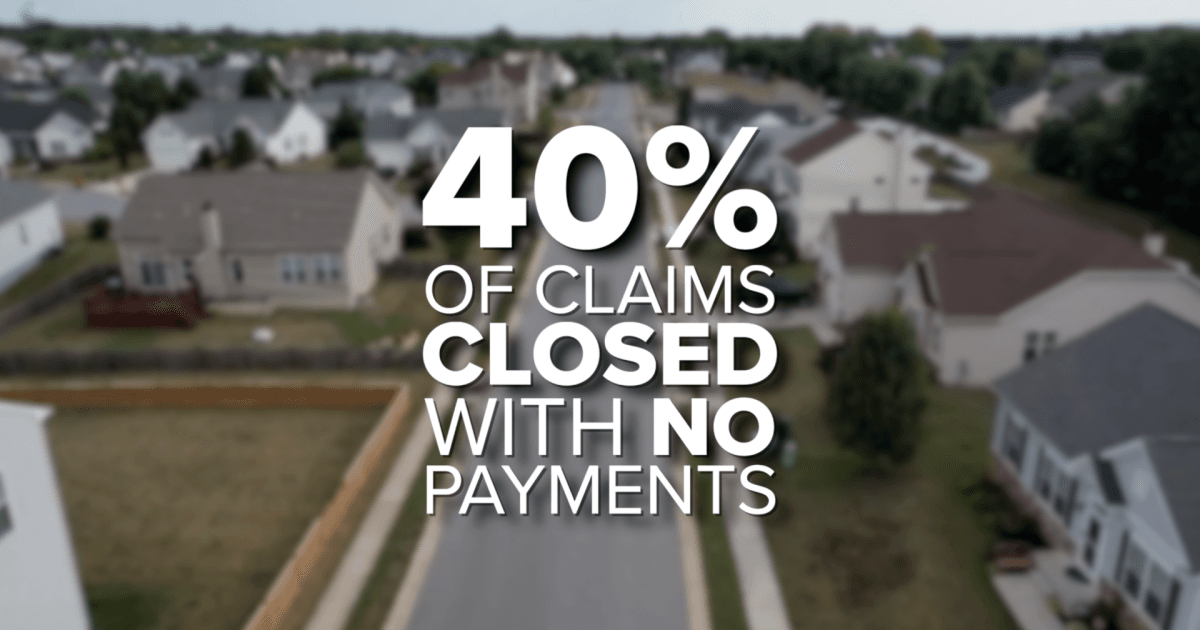
Recent data shows Florida has one of the highest rates of denied homeowner claims—over 40% are closed with no payout. The state also leads the nation in policy nonrenewals, with insurers dropping 3.3% of homeowners.
Calls for Reform Grow Louder
Dr. Martin Weiss of Weiss Ratings warns the situation will continue to deteriorate without meaningful reform. Weiss, alongside State Senator Carlos Guillermo Smith, is pushing for stricter oversight between insurers and managing general agents.
Smith argues that inflated fees are “padding pockets” while placing crushing burdens on Floridians paying the country’s highest insurance costs.
Proposed reforms include:
Capping yearly premium increases between 10–15%
Removing taxes on impact-resistant home upgrades
Increasing accountability and transparency for insurance carriers
With Florida’s political climate and Republican supermajority, the legislative battle ahead is expected to be intense—but the pressure to act has never been greater.
The Bigger Picture for Real Estate Professionals
This insurance instability affects far more than homeowners. Real estate agents, mortgage lenders, insurance professionals, and property managers must constantly adapt as premiums influence affordability, market competitiveness, and long-term value.
For professionals advancing in these fields, staying informed is essential. Institutions like Cameron Academy equip current and aspiring industry experts with the knowledge they need to navigate changing markets, evolving regulations, and the financial realities facing today’s consumers.
As lawmakers debate solutions in Tallahassee, one truth stands strong: the future of Florida’s housing market—and the careers built around it—depends on the reforms that come next.
More Articles
Getting licensed or staying ahead in your career can be a journey—but it doesn’t have to be overwhelming. Grab your favorite coffee or tea, take a moment to relax, and browse through our articles. Whether you’re just starting out or renewing your expertise, we’ve got tips, insights, and advice to keep you moving forward. Here’s to your success—one sip and one step at a time!
Tokenization has surged from crypto niche to global financial disruptor as institutions like Robinhood, BlackRock, and Coinbase race to digitize real-world assets. With pro‑crypto political momentum, shifting regulations, and private companies resisting newfound transparency, this emerging wave is transforming how investments are bought, sold, and accessed. For professionals in real estate, finance, lending, and insurance, this shift signals massive opportunity—and equally massive responsibility—as the next era of asset ownership takes shape.
Florida homeowners are finally getting relief as Citizens Property Insurance announces an average 8.7% statewide rate reduction for 2026, with South Florida seeing cuts as high as 14%. Driven by recent tort reforms and a stabilizing market, these decreases signal a major turnaround for an industry once on the brink of collapse — and a potential boost for real estate activity across the state.
After years of roller‑coaster chaos, the 2026 U.S. housing market is easing into something professionals haven’t seen in a long time: balance. Inventory growth has slowed to just 10% year over year—down sharply from 2025’s surge—signaling the end of the pandemic‑era scarcity and the rise of a market driven by real‑time demand and interest rates. With seasonal patterns returning, negotiations replacing bidding wars and rates drifting toward 6%, agents, lenders and investors are finally navigating conditions that look… normal.
More than half of Gen Z investors say they entered the stock market because of social media—not textbooks, not advisors. Viral creators, AI tools, and crypto trends are reshaping how young adults learn about money, invest early, and chase financial freedom. This Fortune‑featured shift highlights a generation determined to build wealth fast, trust digital voices over traditional institutions, and redefine financial education for the future.
After years of extremes, the U.S. housing market is shifting into a more balanced, predictable phase. Inventory growth has cooled from last year’s surge, seasonality is returning, and pricing is becoming increasingly rate‑sensitive. With mortgage rates hovering near 6% and policy changes reshaping investor participation, 2026 is emerging as a negotiation‑driven market where skilled agents, lenders, builders, and investors have a renewed advantage. This new landscape rewards strategy, education, and real‑time demand awareness—making it an ideal moment for professionals to refine their approach and capitalize on the market’s normalization.
A sudden policy shift at the start of 2026 is already pushing mortgage rates lower, dipping them under 6% for the first time in months. New projections suggest the government-sponsored enterprises’ $200 billion in mortgage‑backed securities purchases could accelerate rate declines throughout the year, boosting affordability, home sales, and overall market activity for buyers, sellers, and real estate professionals alike.