Florida’s Home Insurance Shake-Up: New Names, Old Problems
Florida’s home insurance market has become the state’s most expensive game of déjà vu. Despite bold reforms and confident promises, Floridians are still facing soaring premiums, shrinking coverage options, and mounting uncertainty each hurricane season. A recent deep‑dive by The American Prospect reveals why the “new” insurance landscape feels uncomfortably similar to the one that collapsed after Hurricane Andrew.
Gov. Ron DeSantis’s 2022 reforms were pitched as a stabilizing force after Hurricane Ian, but the evidence suggests they’ve recreated many of the same structural weaknesses that triggered earlier insurer failures—leaving homeowners, real estate professionals, and insurance agents navigating a treacherous landscape of financial risk.
The Depopulation Game and the Return of Risky Insurers
At the heart of the insurance overhaul is the depopulation of Citizens Property Insurance Corporation—the state’s “insurer of last resort.” More than 355,000 homeowners have been shifted from Citizens into private insurers, many of which charge higher premiums and show signs of shaky financial footing.
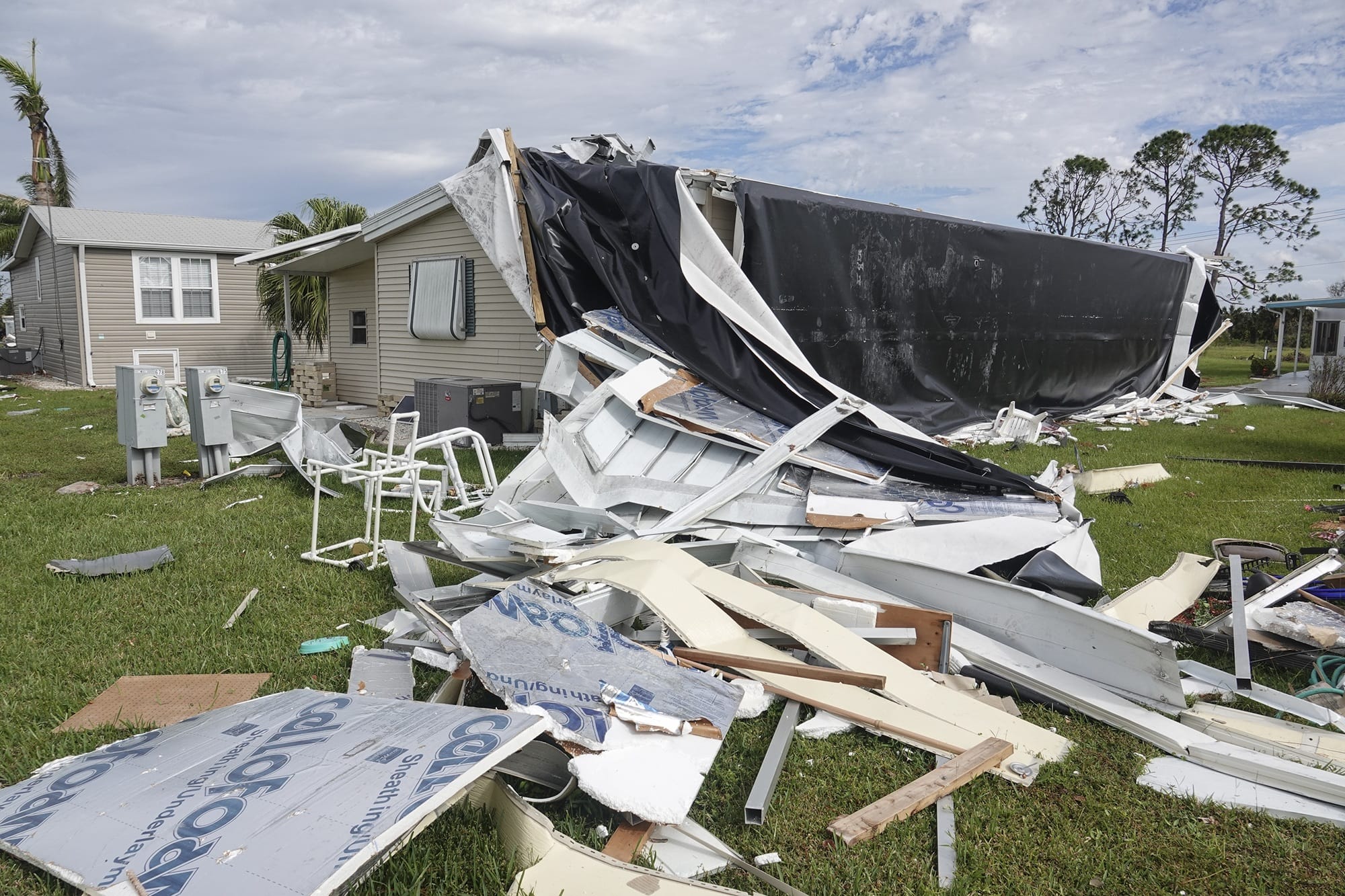
The market‑friendly reforms Gov. DeSantis passed in the wake of Hurricane Ian have failed to stabilize the state’s insurance market.
The analysis highlights a troubling trend: several newly approved insurance companies have direct connections to firms that previously collapsed. A standout example is Viceroy Preferred Insurance Company, which shares board members with Monarch National—a company fined for mishandled claims and formerly linked to another insurer that ultimately went insolvent.
Slide Insurance, one of Florida’s newest market entrants, closed over half its claims without payment—yet still holds an “A” rating from Demotech, while Weiss assigns it a stark “C‑.” This rating gulf has become too large for industry experts to ignore.
Politics, Profits, and Luxury Homes
The investigation also reveals eyebrow‑raising compensation details. Slide Insurance’s CEO and COO—who are married—took home tens of millions in earnings while residing in a lavish 9,600‑square‑foot waterfront home featured in Tampa Magazine. Meanwhile, Slide ranked among the insurers most likely to deny homeowners’ storm‑related claims.
Add political contributions to high‑profile Florida candidates into the mix, and the picture becomes even more complex.
Calls for Change: A Market Built on Sand
Experts interviewed in the report argue that Florida’s insurance system needs more than surface‑level fixes. They call for unified regulatory oversight, transparent rating standards, and stronger accountability—especially as climate risks intensify year after year.
As one analyst summarized: “We effectively have to build the market from scratch.”
What This Means for Real Estate Professionals
For Florida’s real estate agents, brokers, appraisers, mortgage lenders, property managers, and insurance professionals, understanding this evolving landscape is crucial. Insurance availability and affordability directly influence home sales, property values, and buyer confidence—making awareness a professional necessity.
At Cameron Academy, we continue helping Florida professionals stay ahead of these industry shifts—whether you’re renewing your real estate license, branching into insurance, or entering a new professional field. In a market this volatile, education isn’t optional—it’s your strongest safeguard.
Getting licensed or staying ahead in your career can be a journey—but it doesn’t have to be overwhelming. Grab your favorite coffee or tea, take a moment to relax, and browse through our articles. Whether you’re just starting out or renewing your expertise, we’ve got tips, insights, and advice to keep you moving forward. Here’s to your success—one sip and one step at a time!
The Western U.S. commercial real estate sector is gearing up for a pivotal year in 2026, with new forecasts from Kidder Mathews showing steady economic growth, moderating inflation, and improving fundamentals across office, industrial, retail, and multifamily markets. From slow but stabilizing office recovery to strong retail performance and tightening industrial demand, the region is entering a period of rebalancing that presents fresh opportunities for real estate and related professionals.
A delayed federal jobs report has pushed ADP’s data into the spotlight, revealing that private employers added just 22,000 jobs in January — far below expectations. Revised December numbers and ongoing declines in key sectors like professional services and manufacturing point to a cooling labor market heading into 2025. While wage growth remains steady, uneven job creation across regions and industries is raising new questions about future interest‑rate cuts and what this shifting economy means for professionals in fields like real estate, mortgage, insurance, and finance.
Nashville’s booming tech-driven population is transforming luxury real estate, making smart technology and eco‑friendly design the new standard. From AI‑powered adaptive living and advanced security systems to high‑efficiency construction and green incentives, the city’s top communities—Brentwood, Franklin, and Nolensville—are leading a movement toward intelligent, energy‑saving homes that offer long‑term value and modern comfort.
Florida legislators have confirmed that no new insurance relief is coming in 2026, leaving homeowners to grapple with rising premiums and shrinking options. While Republican leaders argue that past reforms simply need more time to stabilize the market, Democrats are pushing for immediate action as families across the state feel the financial strain. With insurance changes off the table, lawmakers are shifting their focus to property tax relief—creating important ripple effects for real estate, mortgage, and insurance professionals watching the market closely.
A new CBRE survey reveals that 2026 is shaping up to be a bullish year for commercial real estate, with most investors planning to expand their portfolios. Dallas secures the top spot for the fifth year in a row, but Southeast metros like Atlanta, Miami, Tampa, and Charlotte are rapidly gaining ground thanks to population growth, strong job creation, and resilient demand in sectors like tech, logistics, and healthcare.
Washington State University’s Carson College of Business has introduced Carson Pro, a flexible online platform offering non‑credit certificates in finance, management, marketing, accounting, and specialty fields like the business of aging and wine business management. Designed for working professionals seeking practical, career-ready skills or a complete career reset, the program reflects a nationwide shift toward continuous learning as industries—from real estate to finance—evolve at a rapid pace.