Florida’s Home Insurance Shake-Up: New Names, Old Problems
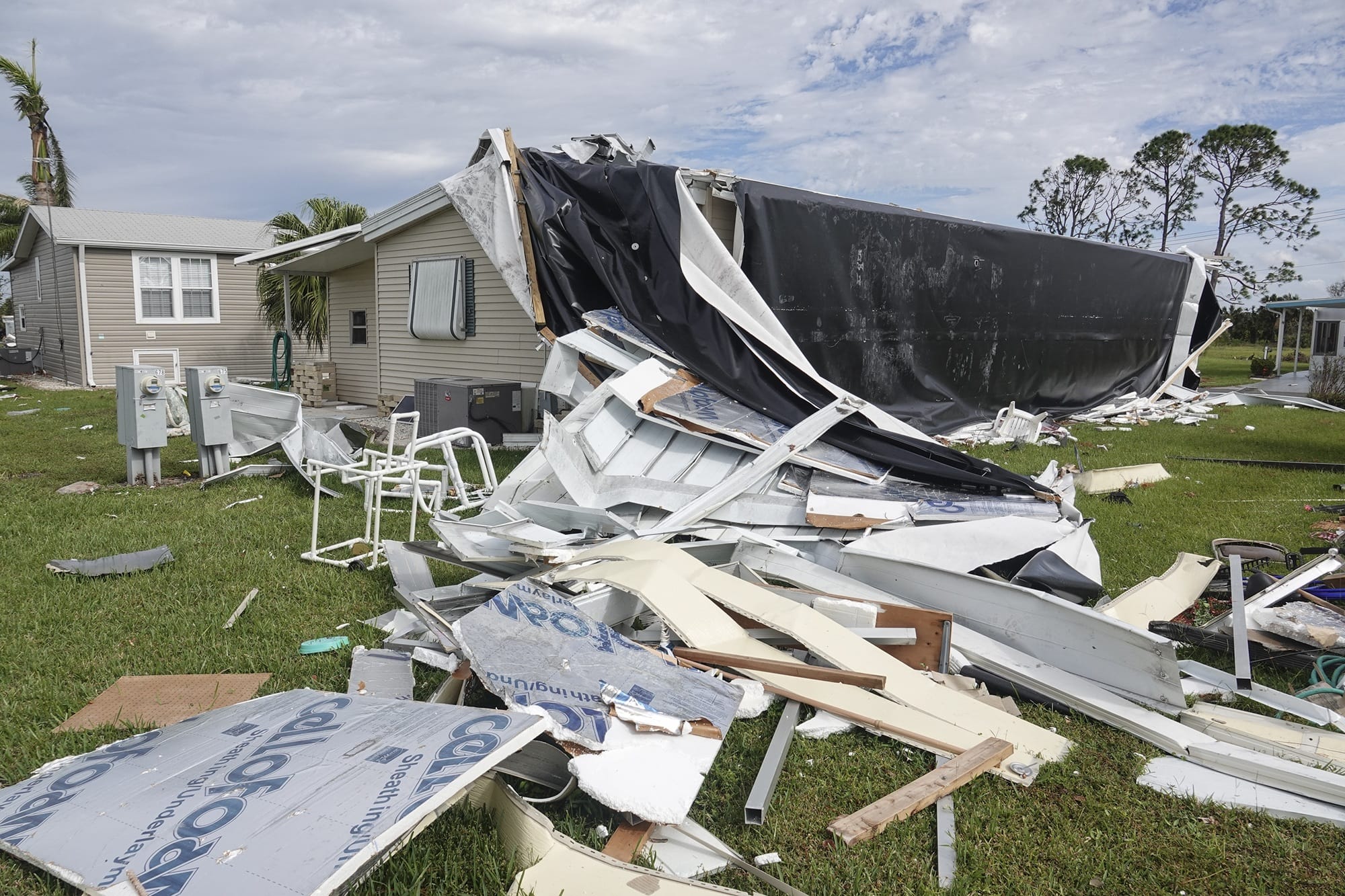
Florida’s home insurance market has become the state’s most expensive game of déjà vu. Despite bold reforms and confident promises, Floridians are still facing soaring premiums, shrinking coverage options, and mounting uncertainty each hurricane season. A recent deep‑dive by The American Prospect reveals why the “new” insurance landscape feels uncomfortably similar to the one that collapsed after Hurricane Andrew.
Gov. Ron DeSantis’s 2022 reforms were pitched as a stabilizing force after Hurricane Ian, but the evidence suggests they’ve recreated many of the same structural weaknesses that triggered earlier insurer failures—leaving homeowners, real estate professionals, and insurance agents navigating a treacherous landscape of financial risk.
The Depopulation Game and the Return of Risky Insurers
At the heart of the insurance overhaul is the depopulation of Citizens Property Insurance Corporation—the state’s “insurer of last resort.” More than 355,000 homeowners have been shifted from Citizens into private insurers, many of which charge higher premiums and show signs of shaky financial footing.
The market‑friendly reforms Gov. DeSantis passed in the wake of Hurricane Ian have failed to stabilize the state’s insurance market.
The analysis highlights a troubling trend: several newly approved insurance companies have direct connections to firms that previously collapsed. A standout example is Viceroy Preferred Insurance Company, which shares board members with Monarch National—a company fined for mishandled claims and formerly linked to another insurer that ultimately went insolvent.
Slide Insurance, one of Florida’s newest market entrants, closed over half its claims without payment—yet still holds an “A” rating from Demotech, while Weiss assigns it a stark “C‑.” This rating gulf has become too large for industry experts to ignore.
Politics, Profits, and Luxury Homes
The investigation also reveals eyebrow‑raising compensation details. Slide Insurance’s CEO and COO—who are married—took home tens of millions in earnings while residing in a lavish 9,600‑square‑foot waterfront home featured in Tampa Magazine. Meanwhile, Slide ranked among the insurers most likely to deny homeowners’ storm‑related claims.
Add political contributions to high‑profile Florida candidates into the mix, and the picture becomes even more complex.
Calls for Change: A Market Built on Sand
Experts interviewed in the report argue that Florida’s insurance system needs more than surface‑level fixes. They call for unified regulatory oversight, transparent rating standards, and stronger accountability—especially as climate risks intensify year after year.
As one analyst summarized: “We effectively have to build the market from scratch.”
What This Means for Real Estate Professionals
For Florida’s real estate agents, brokers, appraisers, mortgage lenders, property managers, and insurance professionals, understanding this evolving landscape is crucial. Insurance availability and affordability directly influence home sales, property values, and buyer confidence—making awareness a professional necessity.
At Cameron Academy, we continue helping Florida professionals stay ahead of these industry shifts—whether you’re renewing your real estate license, branching into insurance, or entering a new professional field. In a market this volatile, education isn’t optional—it’s your strongest safeguard.
Getting licensed or staying ahead in your career can be a journey—but it doesn’t have to be overwhelming. Grab your favorite coffee or tea, take a moment to relax, and browse through our articles. Whether you’re just starting out or renewing your expertise, we’ve got tips, insights, and advice to keep you moving forward. Here’s to your success—one sip and one step at a time!
After years of soaring premiums and insurer instability, Florida’s property insurance market is finally turning a corner. Major carriers have filed 83 requests for rate decreases heading into 2026, with companies like Florida Peninsula and Patriot Select proposing cuts of 8.4% and 11.3%. Some homeowners may see relief as early as next month, signaling a long‑awaited shift toward market stability.
Fix-and-flip investing is gearing up for one of its strongest years in a decade as 2026 approaches. With cheaper capital, more accessible funding, easing interest rates, and long-awaited increases in housing inventory, investors are finding the perfect environment to launch or scale renovation-based real estate businesses. Renovation continues to outpace new construction in cost and speed, and demand for move-in-ready homes remains high, making 2026 a powerful opportunity window for both new and experienced investors.
After a short-lived period of relief in 2025, the U.S. rental market may be headed for a tighter, more expensive 2026. With construction starts dropping nearly 11% and completions plunging 42%, the surge of new apartments that helped lower rents is rapidly drying up. Rising costs, shrinking inventory, and a slowdown in new development point to a potential rental crunch that could leave renters facing heavier competition and higher prices across major markets next year.
The commercial real estate market is entering a rare reset that experts say mirrors the post‑2008 boom, creating a potential window for disciplined investors. With trillions in commercial debt coming due and property values dropping up to 40%, firms like AARE are positioning themselves to acquire assets below replacement cost—an advantage that could set the stage for significant long‑term growth.
Commercial real estate is entering a reinvention phase, with AI‑driven productivity, modernized office demand, experience‑focused retail, expanding industrial logistics, creative housing solutions, and sustainability‑centered design all accelerating nationwide. These six forces are shaping how investors, brokers, and future licensees will operate in a rapidly evolving U.S. market.
After years of economic uncertainty and cautious decision‑making, 2026 is shaping up to be the year professionals finally catch a break. AI is moving from buzzword to essential tool, capital markets are beginning to thaw, and hiring is picking up across real estate, mortgage, insurance, finance, and healthcare. With opportunity returning, many professionals are using this moment to upskill—pursuing new licenses, certifications, and cross‑industry expertise.