Florida’s 3.35% Home Insurance Non‑Renewal Rate: Why Hundreds of Thousands Lost Coverage
Florida’s insurance market has always had a flair for the dramatic, but last year’s numbers took things to a new level. A 3.35% non-renewal rate may sound small, yet in a state with millions of homeowners, it translates to hundreds of thousands suddenly losing their insurance coverage. It’s the kind of statistic that makes any Floridian pause mid‑coffee sip.
For real estate agents, mortgage professionals, insurance licensees, and homeowners, this shift is more than a headline—it’s a reshaping of Florida’s risk profile. And understanding these changes is becoming essential for anyone working around property. If you’re in the industry and need to stay ahead, continuing education through Cameron Academy can help keep your expertise sharp.
When Storm Damage Becomes a Breaking Point
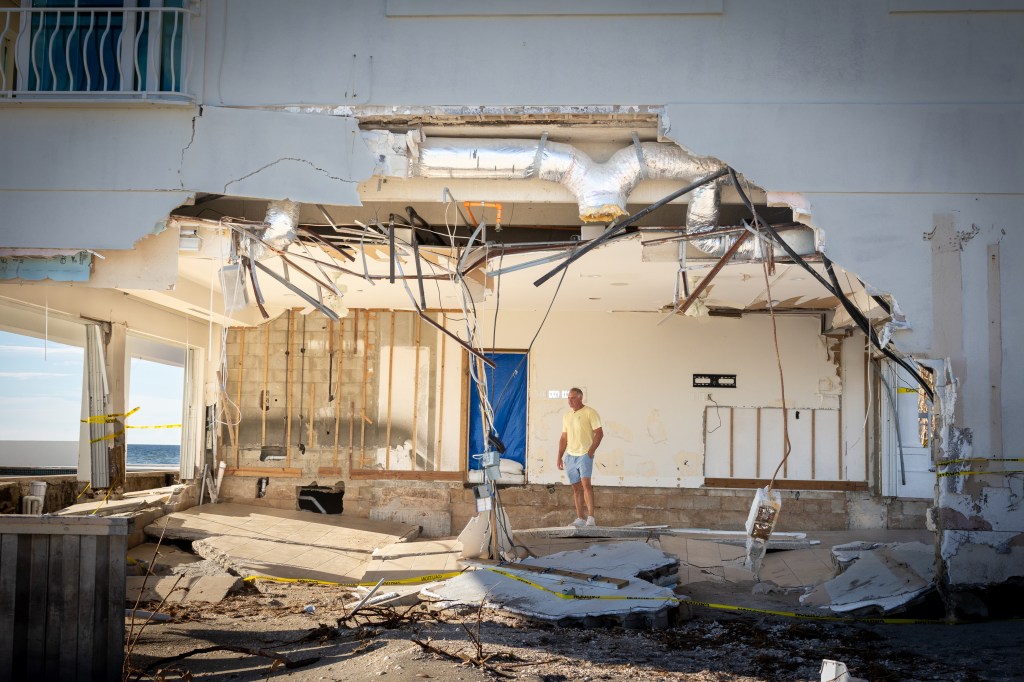
Florida’s storms are practically characters in our yearly storyline—dramatic, recurring, and often costly. Over recent years, however, the financial aftermath has escalated. NAIC data reveals that Florida leads the nation in non-renewals, with insurers stepping back after repeated storm‑related claims.
Insurers aren’t acting on emotion. When storms become more frequent and more destructive, payouts skyrocket. Eventually, companies tighten underwriting standards or withdraw entirely from high‑risk zones. The irony is hard to miss: the same storms that make insurance essential also make it harder to keep.
The Rising Cost of Rebuilding
The weather isn’t the only culprit. Rising construction expenses—driven by labor shortages, material costs, and lingering supply chain issues—mean each claim costs insurers more than it would have just a few years ago.
As construction costs continue climbing, insurers adjust their risk models, premiums shift upward, and coverage criteria tighten. Homeowners feel the effects long before they ever see the spreadsheets causing it all.
The Legal Landscape: Fraud and Litigation
Florida has long been known for its intense volume of insurance-related litigation. While many claims are legitimate, the sheer quantity of lawsuits—some unnecessary—adds immense financial pressure to insurers.
These expenses ripple outward to homeowners as higher premiums or lost coverage. Even with recent reforms meant to cool the market, improvements will take time. Until then, detailed documentation remains a homeowner’s strongest defense.
Insurers Shrinking Their Footprint
One of the most dramatic developments has been the number of insurers reducing—or outright ending—their operations in Florida. When providers leave, competition shrinks, prices rise, and homeowners face fewer options.
Many affected residents turn to Citizens Property Insurance Corporation, the state-backed insurer of last resort. While essential, Citizens was never intended to hold such a large market share. Today, shopping early and comparing multiple carriers is becoming a must-do rather than an option.
Everyday Homeowners Caught in the Middle
Losing insurance coverage isn’t just inconvenient—it can jeopardize mortgages, stall repairs, or create major financial strain. Many homeowners report receiving premium increases double or triple what they previously paid.
Proactive upgrades—modern roofs, wind mitigation improvements, regular maintenance, and detailed documentation—can help maintain good standing with insurers.
What Homeowners Can Do Moving Forward
While homeowners can’t control the weather or underwriting algorithms, they can take steps to stay protected. Start shopping for renewal options early, maintain your property diligently, and stay informed as legislative shifts continue.
For real estate and insurance professionals, knowledge is your currency. If you’re earning or upgrading your license, Cameron Academy offers flexible, affordable programs built to keep you competitive in a changing market.
A Market in Motion
Florida’s 3.35% non-renewal rate isn’t just a statistic—it’s a snapshot of an evolving marketplace shaped by storms, rising costs, legal pressures, and insurer strategies. The professionals who understand these forces will be the ones best positioned to guide homeowners through uncertainty.
What changes have you seen in your own insurance situation? Share your experience below.
Getting licensed or staying ahead in your career can be a journey—but it doesn’t have to be overwhelming. Grab your favorite coffee or tea, take a moment to relax, and browse through our articles. Whether you’re just starting out or renewing your expertise, we’ve got tips, insights, and advice to keep you moving forward. Here’s to your success—one sip and one step at a time!
The title insurance industry is entering 2026 with a renewed focus on technology, operational efficiency, and stronger agent support after years of volatility. Leaders from major underwriters report rising transaction activity, improved affordability, and a surge in automation and fraud‑prevention tools—signs that smarter systems and better training will define the next wave of growth.
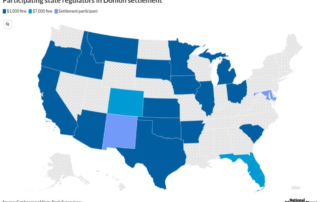
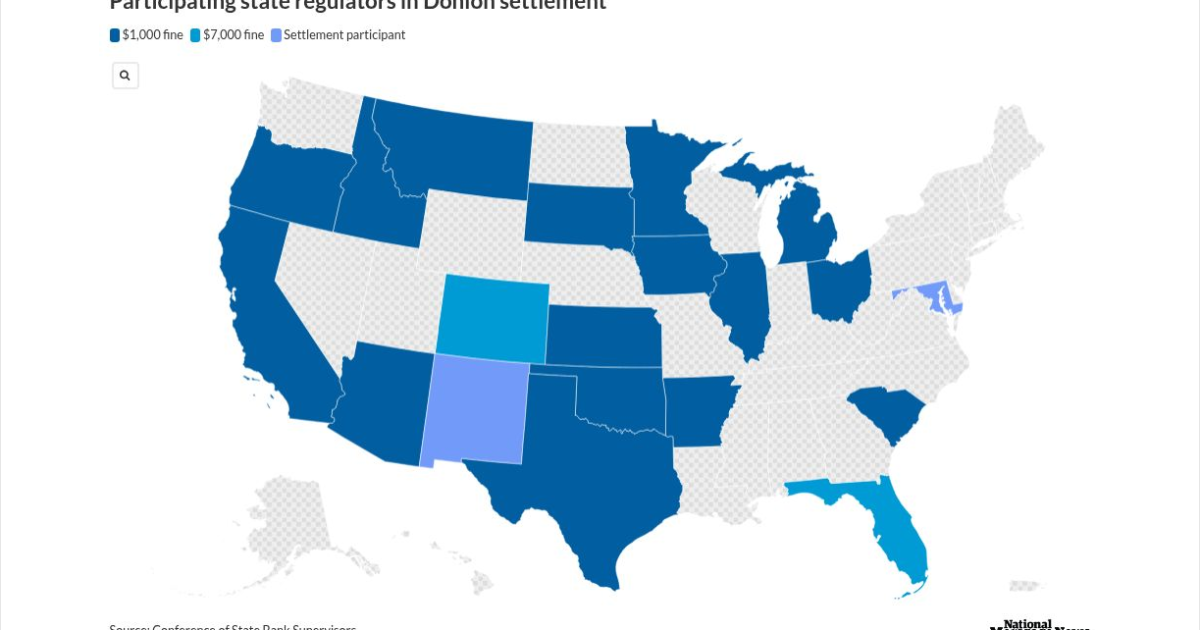
A multistate crackdown has sent shockwaves through the mortgage industry as Patrick Terrance Donlon, CEO of Trusted American Mortgage, accepted a sweeping settlement that bans him from working as a mortgage loan originator in 21 states—19 of them permanently. Regulators say Donlon had another individual complete his mandatory licensing and continuing‑education courses, a violation that triggered a coordinated investigation and a $31,000 penalty. The case underscores regulators’ growing intolerance for education fraud and serves as a sharp reminder to industry professionals: cutting corners on licensing can end careers.
Florida’s once‑booming housing market is cooling fast as rising insurance premiums, increasing foreclosures, and expanding flood zones push buyers to back out of deals and force sellers to cut prices. With insurance now adding thousands to annual housing costs, professionals across real estate, mortgage, and insurance are navigating a dramatically shifting landscape that’s redefining affordability in the Sunshine State.
Florida begins 2026 with a wave of more than 250 new laws now in effect, impacting healthcare, insurance, real estate, and consumer protections statewide. From free breast cancer screenings for state employees to tighter pet insurance regulations, mandatory healthcare refund rules, enhanced animal‑cruelty penalties, and new condo‑management requirements, these updates carry major implications for professionals navigating Florida’s evolving regulatory landscape.
Florida’s barrier islands may offer postcard-perfect beaches and soaring real estate demand, but they’re also some of the most fragile and costly places to build in the United States. With 765,000 residents living on land that shifts, sinks, and takes the brunt of every major hurricane, the financial and insurance risks are accelerating fast. From billion‑dollar beach rebuilds to towers settling into the sand, today’s coastal development challenges are reshaping conversations around property values, disclosure, and long‑term resilience. For real estate professionals, understanding these risks isn’t just smart — it’s becoming essential.
A Cedar City development is turning heads with its fresh approach to affordability. The team behind Temple View Commons is delivering luxury‑inspired twin homes at prices below the local median by using a small, hands‑on staff and cutting traditional costs like realtor commissions. In a tight Utah housing market where inventory is scarce and prices remain high, their strategy offers a realistic path to homeownership without sacrificing high‑end finishes.

 Title Insurance Leaders Double Down on Tech and Efficiency to Drive 2026 Market Momentum Gallery