Florida’s Insurance Showdown: The Political Storm Driving 2026 — And Why It Matters for Every Property Professional
Florida’s insurance market is reshaping itself in real time — and the rest of the country is watching. With 2026 on the horizon, Florida’s leaders have launched a fierce debate over whether the state’s sweeping insurance reforms are a breakthrough or a breakdown, leaving homeowners, condo owners, and real estate professionals caught in the middle.
This political tug‑of‑war was spotlighted in a recent
WPTV investigation, which examined how Florida’s affordability crisis — driven by soaring property and auto insurance — is becoming the defining issue of the next election cycle.
Republicans Say Reforms Are Working: “Things Are Looking Up”
Florida CFO Blaise Ingoglia insists that the state’s multi-year insurance overhaul is finally delivering results. In an interview with Scripps Capitol reporter Forrest Saunders, Ingoglia pointed to what he calls “drastic movement” in Florida’s auto insurance market.
He referenced recent developments in which major insurers have been forced to return excess profits to policyholders — including a
$1 billion refund by Progressive — as well as a 10% rate reduction from State Farm.
“When you look at the reforms we did three years ago, clearly the reforms are working. We’re just asking for people to continue to be patient on the homeowner’s insurance market.”
Republican leaders say reinsurance prices are easing and new carriers are coming back into Florida’s marketplace. They argue that the worst is behind the state — as long as Florida does not reverse course.
Democrats: “Families Can’t Wait”
Democratic lawmakers reject the optimism, arguing that the relief is not reaching real Floridians — especially homeowners and condo owners squeezed by skyrocketing premiums.
Senate Minority Leader Lori Berman said Florida remains one of the most expensive states in the nation for insurance, calling the situation “unacceptable” during an October
press conference.
Supporting their position, new data from
Realtor.com
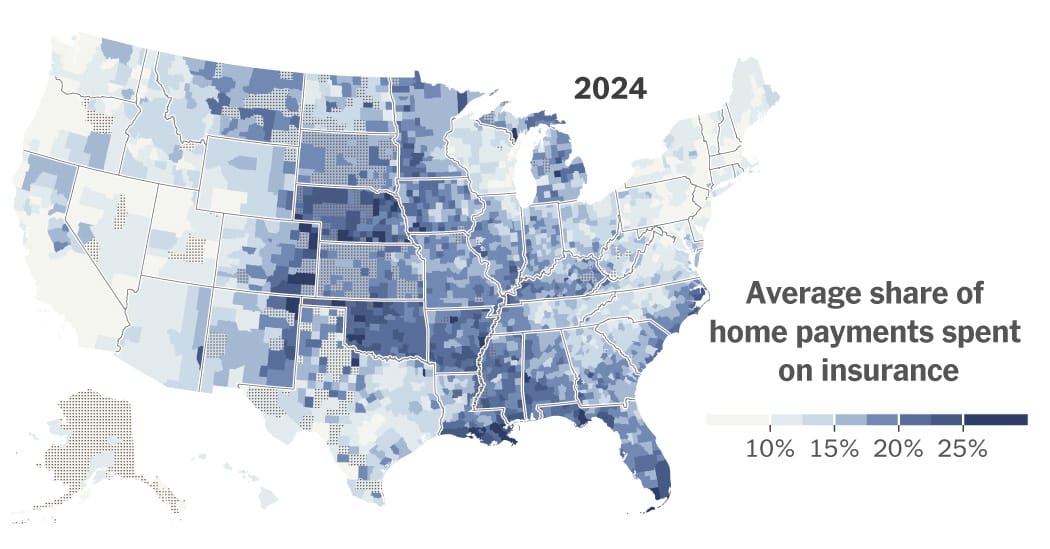
shows condo prices dropping more than 8% year‑over‑year due to massive post‑Surfside insurance spikes and rising HOA fees. Five Florida cities remain among the nation’s highest insurance-burdened markets.
On top of that,
Bankrate
ranks Florida as the most expensive state in the nation for auto insurance — averaging over $4,100 per year.
“We want to make sure we are approaching the affordability crisis in a way that actually helps families,” said House Minority Leader Fentrice Driskell. She argues for stronger regulation, rate‑hike caps, and more transparency.
Democrats also warn that Republican-backed property tax amendments could threaten public services while distracting from the real cost driver: insurance.
A Defining Battle Ahead of 2026
From homeowners locked into rising premiums to condo associations hitting breaking points, Florida is bracing for a pivotal year. Insurance, not taxes, is increasingly becoming the issue voters are talking about — and candidates cannot ignore it.
Lawmakers return to Tallahassee on January 13, where the debate will almost certainly intensify.
Want to understand Florida’s real estate and insurance landscape from a professional perspective?
Whether you’re expanding your career in real estate, insurance, mortgage, or other professional fields,
Cameron Academy helps you stay licensed, informed, and ahead of industry changes.
Visit CameronAcademy.com to explore courses built for working professionals.
To explore the original investigation and follow ongoing coverage of Florida’s insurance challenges, visit
WPTV’s full report here.
More Articles
Getting licensed or staying ahead in your career can be a journey—but it doesn’t have to be overwhelming. Grab your favorite coffee or tea, take a moment to relax, and browse through our articles. Whether you’re just starting out or renewing your expertise, we’ve got tips, insights, and advice to keep you moving forward. Here’s to your success—one sip and one step at a time!
A surge in home insurance premiums is reshaping housing markets across the country, hitting disaster‑prone regions the hardest. From Louisiana to Colorado and California, deals are collapsing, buyers are backing out, and home values are dropping as insurance becomes a central affordability hurdle. New data shows climate‑driven risk repricing and soaring reinsurance costs are stripping tens of thousands of dollars from property values, forcing some homeowners to sell at a loss—or go uninsured altogether.
After years of sluggish activity, the National Association of REALTORS predicts 2026 could mark the long‑awaited rebound for the housing market. With a projected 14% jump in home sales, steadier rates near 6%, and rising buyer activity, NAR economists say momentum is already building. Early signs—like a 31% surge in mortgage applications, continued job growth, and stabilizing prices—suggest a stronger, more confident market ahead, creating fresh opportunities for both seasoned professionals and aspiring agents preparing to enter the field.
A surge of global capital is reshaping real estate heading into 2026, with investors shifting toward hands‑on strategies, cross‑border diversification, and high‑growth asset classes like data centers. Colliers’ 2026 Global Investor Outlook highlights rising confidence, improving liquidity, and a major pivot toward direct investing and value‑add opportunities. From office market rebounds to Asia Pacific’s rapid fundraising growth, the report outlines trends every real estate professional should understand as the industry enters a more dynamic, opportunity‑rich cycle.
Culver City just became the first place in California to legalize six‑story apartment buildings with only one staircase — a simple change that could reshape mid‑rise housing statewide. By freeing up as much as 7% more usable floor space, architects say single‑stair designs allow bigger units, more windows, and the kind of elegant layouts common in New York and Europe. If the city’s six‑year experiment succeeds, it may spark a broader rethinking of U.S. building codes and open the door to more flexible, affordable multifamily development across California.
Stratford homeowners are receiving their 2025 Notices of Assessment Change, marking the town’s first property revaluation since 2019. Officials emphasize that rising assessments do not equal higher tax bills, as a new mill rate won’t be set until spring 2026. Residents can challenge or review their updated valuations through informal hearings hosted by Vision Government Solutions, with appointments available for one week after receiving a notice.
New reporting reveals Florida homeowners now face an average insurance premium of $5,838 per year — nearly triple the national average. With skyrocketing rates, denied claims, and mounting non-renewals, residents are being pushed to tough financial decisions while lawmakers scramble to implement reforms. From retirees skipping coverage to families battling insurers for fair payouts, Florida’s insurance crisis is reshaping both the housing market and the daily lives of homeowners statewide.