Florida’s Property Insurance Battle Heats Up: A 2026 Showdown in the Making
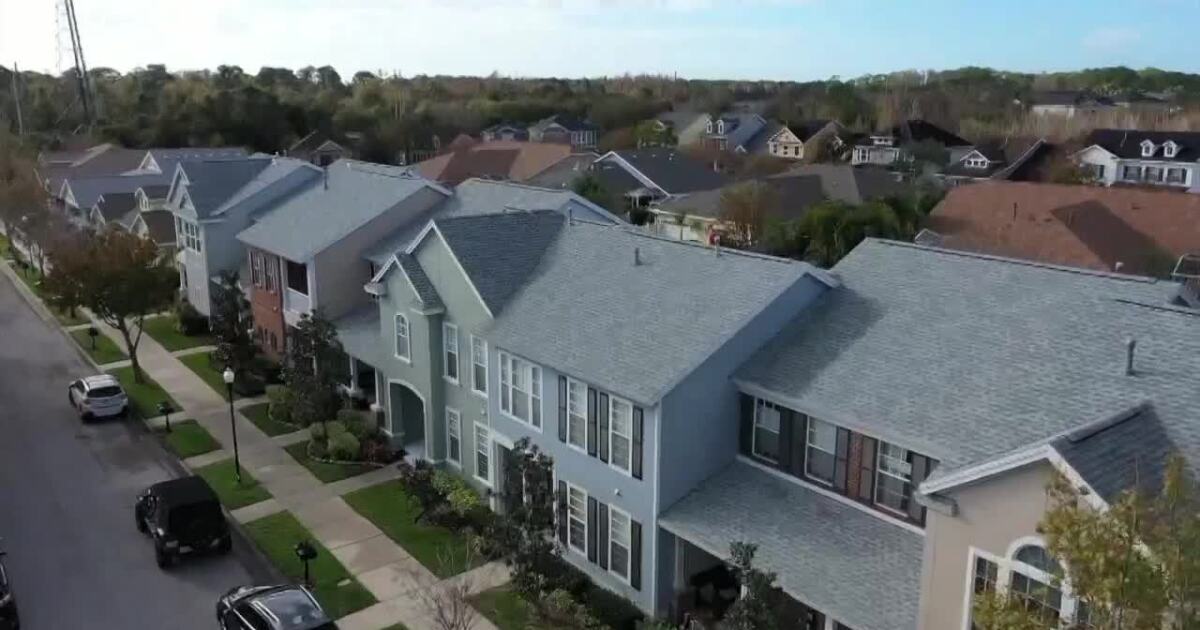
Florida neighborhood aerial view

Florida’s political and economic landscape is shifting again—this time around the soaring cost of property and auto insurance. As homeowners continue tightening budgets, state leaders are preparing for what is shaping into a defining affordability showdown ahead of the 2026 elections.

Two Competing Visions for Florida’s Insurance Future

State Republicans argue the system is finally stabilizing thanks to litigation and fraud reforms enacted over several years. According to Florida CFO Blaise Ingoglia, measurable improvements are already emerging.

“Clearly the reforms are working,” Ingoglia said, referencing shifts in the auto insurance market—including Progressive returning $1 billion in excess profits and State Farm lowering rates by 10%.

Ingoglia maintains that homeowners will soon feel relief as insurers re-enter the state and reinsurance costs trend downward. His message: stay patient—help is coming.

Democrats: “Families Can’t Wait”

Florida Democrats disagree, calling the optimism premature. They point to a worsening affordability crisis marked by some of the highest property and auto insurance premiums in the U.S.

Senate Minority Leader Lori Berman emphasized that many Floridians are struggling to remain in their homes purely due to insurance expenses. Supporting data paints a concerning picture—Realtor.com reports condo prices have dropped over 8% statewide, primarily because of rising HOA fees and post‑Surfside insurance spikes.

Florida now ranks as the most expensive auto insurance state in the nation, with annual averages above $4,100 according to Bankrate.

House Minority Leader Fentrice Driskell says Democrats plan to push for aggressive reforms, including rate‑hike caps, stronger storm‑hardening incentives, and more transparency across insurers.

A Defining Issue for 2026

The battle over Florida’s insurance market has evolved from a policy debate into one of the central issues leading into the 2026 legislative session and statewide elections. With homeowners anxious and condo associations stretched thin, decisions made in the coming months will shape Florida’s affordability for years.

Lawmakers reconvene in Tallahassee on January 13, where insurance reform is expected to dominate the agenda.

For continued updates, expert analysis, and deeper insight into Florida’s insurance landscape, explore the full original report at WPTV.

And if you’re navigating Florida’s evolving real estate market—whether earning your license, renewing your credentials, or leveling up your professional edge—Cameron Academy provides flexible, state‑approved programs designed to help you stay ahead in a transforming industry.


More Articles

Getting licensed or staying ahead in your career can be a journey—but it doesn’t have to be overwhelming. Grab your favorite coffee or tea, take a moment to relax, and browse through our articles. Whether you’re just starting out or renewing your expertise, we’ve got tips, insights, and advice to keep you moving forward. Here’s to your success—one sip and one step at a time!

Nevada Becomes First State to Allow Homeowners Insurance Without Wildfire Coverage

Nevada has enacted a first‑in‑the‑nation law permitting insurers to sell homeowners policies that exclude wildfire coverage, a move supporters say could help stabilize premiums but critics warn may leave homeowners financially devastated. The policy shift positions Nevada as a testing ground for potential nationwide changes, raising major implications for real estate, mortgage, and insurance professionals as lenders, high‑risk communities, and regulators navigate the evolving landscape.

Tampa Bay Office Market Ends 2025 with Its Strongest Performance Since 2016

Tampa Bay’s office sector just delivered its most powerful year in nearly a decade, according to JLL’s Q4 2025 report. With more than 600,000 square feet of positive net absorption, falling vacancies, shrinking inventory, and major tenants like Fisher Investments and GEICO locking in massive leases, the region is emerging as one of the nation’s strongest post‑recovery office markets. The surge in demand for high‑quality space is driving rents up, tightening supply, and setting the stage for continued momentum into 2026.

CFPB Unveils Key Updates to Mortgage Registry Data Rules

The Consumer Financial Protection Bureau has proposed new updates to the Nationwide Mortgage Licensing System and Registry, expanding data collection, tightening verification standards, and refreshing record‑retention rules. These changes aim to strengthen background checks, enhance regulatory oversight, and align the system with federal requirements—impacting both current and aspiring mortgage loan originators nationwide.

Nevada Breaks New Ground With Controversial Wildfire‑Excluded Insurance Policies

Nevada has become the first state to let insurers sell homeowners policies that exclude wildfire coverage — a dramatic shift that could reshape insurance pricing across the West. Supporters say the move may lower premiums and spark innovation, while critics warn it could leave homeowners exposed to devastating losses. As regulators and insurers nationwide watch closely, the experiment could have major implications for real estate, mortgages, and insurance markets.

Florida’s Insurance Crisis Finally Eases as New Bills Target Lower Premiums and Greater Transparency

After years of soaring premiums and insurer failures, Florida lawmakers are rolling out a new slate of reforms aimed at finally delivering relief to homeowners. From cracking down on profit‑sharing affiliates to unveiling hidden rate factors and rewarding claim‑free residents, these proposals could reshape the state’s insurance landscape — and bring real savings to property owners and real estate professionals alike.

C‑PACE Financing Hits New Record as Developers Turn to Alternative Capital

With traditional CRE lending slowing nationwide, C‑PACE financing is surging to all‑time highs — including a record‑setting $465 million loan for a major D.C. redevelopment. Backed by long repayment terms, fixed rates, and tax‑assessment security, C‑PACE is rapidly becoming a preferred tool for funding energy efficiency, resiliency upgrades, and even large‑scale project recapitalizations. Major players like Nuveen Green Capital and Peachtree Group are driving billions in new volume as 40 states adopt the program, signaling a major shift in how commercial real estate projects are financed.