Florida’s Property Insurance Battle Heats Up: A 2026 Showdown in the Making
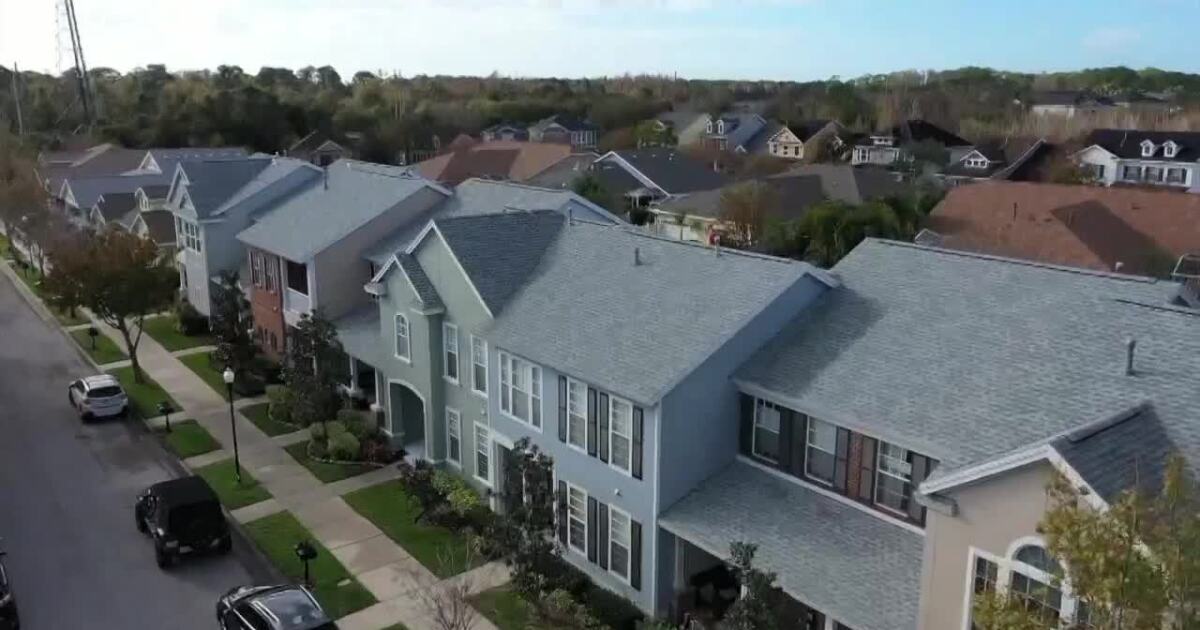
Florida neighborhood aerial view

Florida’s political and economic landscape is shifting again—this time around the soaring cost of property and auto insurance. As homeowners continue tightening budgets, state leaders are preparing for what is shaping into a defining affordability showdown ahead of the 2026 elections.

Two Competing Visions for Florida’s Insurance Future

State Republicans argue the system is finally stabilizing thanks to litigation and fraud reforms enacted over several years. According to Florida CFO Blaise Ingoglia, measurable improvements are already emerging.

“Clearly the reforms are working,” Ingoglia said, referencing shifts in the auto insurance market—including Progressive returning $1 billion in excess profits and State Farm lowering rates by 10%.

Ingoglia maintains that homeowners will soon feel relief as insurers re-enter the state and reinsurance costs trend downward. His message: stay patient—help is coming.

Democrats: “Families Can’t Wait”

Florida Democrats disagree, calling the optimism premature. They point to a worsening affordability crisis marked by some of the highest property and auto insurance premiums in the U.S.

Senate Minority Leader Lori Berman emphasized that many Floridians are struggling to remain in their homes purely due to insurance expenses. Supporting data paints a concerning picture—Realtor.com reports condo prices have dropped over 8% statewide, primarily because of rising HOA fees and post‑Surfside insurance spikes.

Florida now ranks as the most expensive auto insurance state in the nation, with annual averages above $4,100 according to Bankrate.

House Minority Leader Fentrice Driskell says Democrats plan to push for aggressive reforms, including rate‑hike caps, stronger storm‑hardening incentives, and more transparency across insurers.

A Defining Issue for 2026

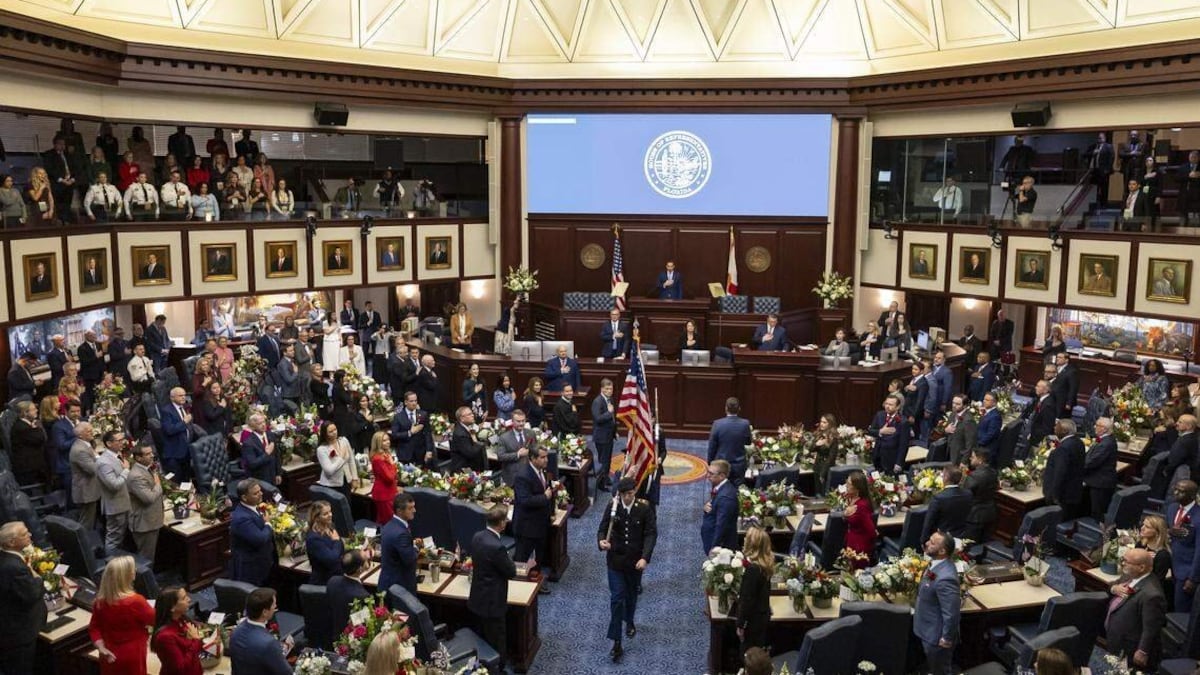
The battle over Florida’s insurance market has evolved from a policy debate into one of the central issues leading into the 2026 legislative session and statewide elections. With homeowners anxious and condo associations stretched thin, decisions made in the coming months will shape Florida’s affordability for years.

Lawmakers reconvene in Tallahassee on January 13, where insurance reform is expected to dominate the agenda.

For continued updates, expert analysis, and deeper insight into Florida’s insurance landscape, explore the full original report at WPTV.

And if you’re navigating Florida’s evolving real estate market—whether earning your license, renewing your credentials, or leveling up your professional edge—Cameron Academy provides flexible, state‑approved programs designed to help you stay ahead in a transforming industry.


More Articles

Getting licensed or staying ahead in your career can be a journey—but it doesn’t have to be overwhelming. Grab your favorite coffee or tea, take a moment to relax, and browse through our articles. Whether you’re just starting out or renewing your expertise, we’ve got tips, insights, and advice to keep you moving forward. Here’s to your success—one sip and one step at a time!

How AI Is Quietly Transforming the Modern Real Estate Agent’s Daily Workflow

Artificial intelligence has shifted from futuristic idea to everyday assistant for real estate professionals. Instead of replacing agents, AI now enhances their workflows—automating repetitive tasks, improving communication, strengthening branding, and turning complex market data into clear insights. From smarter CRMs to AI-powered marketing tools, today’s agents can focus more on relationships and client service while technology handles the busywork behind the scenes.

Florida Lawmakers Target Insurer Profit‑Shifting in New Bill Aimed at Stabilizing Homeowners Insurance

A Florida House committee is advancing a bill that would crack down on insurers shifting profits to affiliated companies — a practice highlighted by recent investigative reporting. With premiums soaring and options shrinking, the proposed oversight could reshape the state’s insurance landscape and create ripple effects across the real estate market, impacting buyers, agents, and investors statewide.

Tangent Proptech Celebrates 100 Episodes With Airbnb’s Vision for the Future of Flexible Living

Proptech podcast *Tangent* marks its 100th episode with an inside look at Airbnb’s evolving role in multifamily housing. Featuring Airbnb Real Estate Marketing Leader Eliza Lochner, the episode explores the rapid growth of Airbnb‑friendly apartments, the rise of flexible‑living models, and why renters and property owners are increasingly embracing hosting as a way to balance affordability, transparency, and control. For today’s real estate professionals—especially in fast‑changing markets like Florida—the conversation highlights major shifts in tenant expectations, property management strategies, and the intersection of technology, hospitality, and residential development.

Florida Homeowners Hit Breaking Point as Insurance Premiums Top $14,000

A Tampa Heights homeowner has joined the growing wave of Floridians dropping property insurance altogether after his 2026 renewal skyrocketed to $14,523. With up to 20% of residents now going bare, experts warn that soaring rates, shrinking coverage options, and post‑storm losses are pushing many to take risky measures — even as alternatives like liability‑only plans, dropped wind coverage, or home‑hardening upgrades may offer relief.

How New ERAS “Scholarly Works” Rules Could Reshape the Future of Medical Residency Applications

A major ERAS overhaul is coming in 2027, replacing the familiar “publications” field with a more rigorous category called “scholarly works.” Only peer‑reviewed submissions—such as manuscripts, abstracts, book chapters, and presentations—will qualify, shifting greater emphasis toward high‑quality research. While the change aims to give residency directors clearer insight into applicants’ academic contributions, many students worry that advocacy and policy work may lose visibility. As programs lean more heavily on research output in a post–Step 1 pass/fail era, future applicants will need to showcase not just what they’ve produced, but the depth and meaning behind it.

Mortgage Rates Rebound: What Professionals Need to Know in 2026

Mortgage rates have ticked back up to 6.25% after a brief dip, signaling a return to stability in the housing market. With rising inventory, moderating prices, and forecasts calling for steady rates through 2026, real estate and finance professionals can expect a more predictable environment ahead. This shift opens the door to smoother transactions, improved buyer confidence, and stronger opportunities for career growth across mortgage, real estate, insurance, and related fields.