Florida’s Insurance Crisis: Understanding the Coastal Risk Crunch and What Professionals Can Do About It

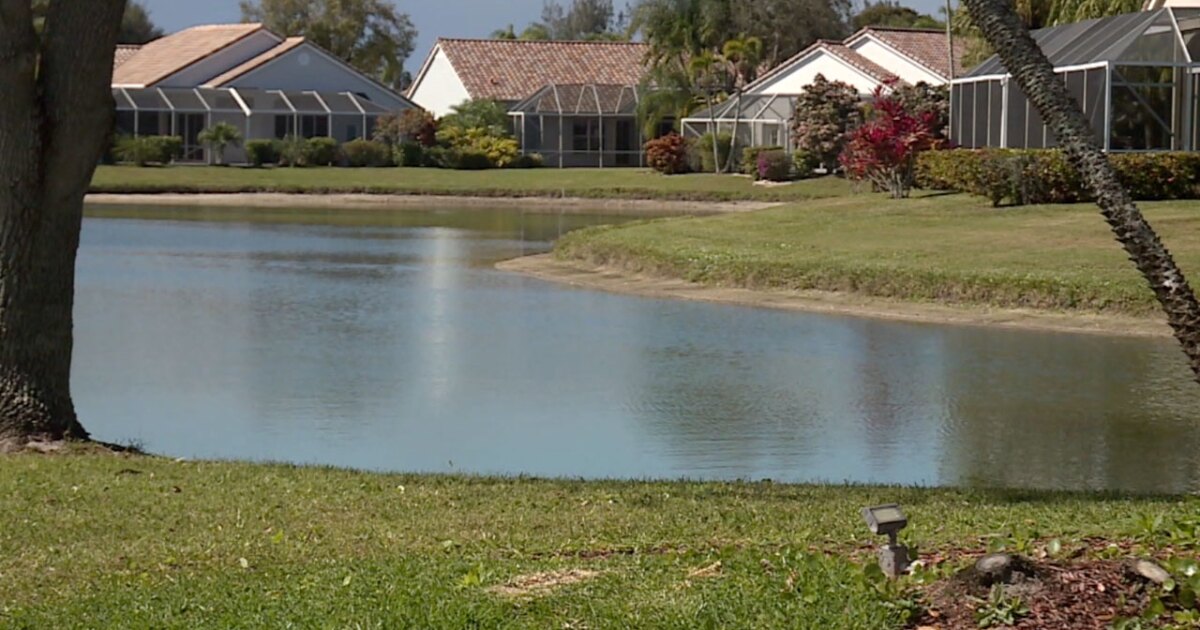
Florida insurance risk illustration

Florida’s insurance landscape is facing a high‑stakes challenge—one decades in the making. As coastal communities continue to grow, the concentration of property and people in hurricane‑exposed zones has created an insurance market under unprecedented strain. And whether you’re an insurance professional, real estate agent, underwriter, or anyone serving Florida’s booming population, understanding this pressure is now essential to navigating the future of your profession.

One of the most revealing explorations of this problem comes from Don D. Brown’s analysis, featured in The Florida Resilience Doctrine. His work, along with additional reporting from Insurance Nerds, digs into the true “900‑pound gorilla” the industry has ignored for far too long—extreme coastal risk concentration. For a deeper dive, explore the original insight at Insurance Nerds.

How Florida Got Here: A Perfect Storm of Growth and Geography

Since Hurricane Andrew in 1992, Florida has added over 6 million new residents, with nearly 4.7 million settling in the very coastal, high‑hazard areas most vulnerable to hurricanes and flooding. Today, an estimated $3.2 trillion in insured property sits directly in harm’s way.

This growth created more than just booming real estate markets. It formed a statewide exposure bubble—one so large that traditional insurance models simply cannot price risk accurately without spreading the cost to Floridians far from the shoreline.

Key Factors Driving the Crisis

• Rapid coastal population growth has sharply increased exposure.
• Florida’s geography makes hurricanes unavoidable, not occasional.
• Insurance pricing has long hidden the true costs of coastal living.
• Political pressure and development incentives keep risky areas growing.
• Incremental rate adjustments can’t solve an exponentially growing hazard.

The result? A statewide system where everyone pays for coastal risk—even those hundreds of miles inland.

What Insurance Professionals Need to Do Now

For insurers, agents, underwriters, and risk managers, the situation isn’t just an industry challenge—it’s an opportunity to lead. Brown’s analysis makes it clear that only a comprehensive and coordinated response will stabilize Florida’s marketplace and protect policyholders.

Top recommendations include:
• Refining underwriting models with granular hazard and climate‑forward data.
• Designing products that match localized risk, encouraging mitigation.
• Partnering with policymakers on resilience‑focused development.
• Communicating transparently with policyholders about true coastal costs.
• Reducing portfolio concentration through diversification and reinsurance tools.

Why This Matters for Real Estate and Insurance Education

Real estate agents, brokers, and insurance professionals play a crucial role in shaping public understanding of Florida’s risk landscape. As the market evolves, professionals who stay educated will have a significant advantage—not only in guiding clients but in safeguarding their own careers.

This is why institutions like Cameron Academy offer insurance and real estate licensing courses that keep today’s professionals informed, strategic, and competitive. Understanding risk concentration isn’t just academic—it’s essential knowledge for anyone advising Florida homeowners.

Looking Ahead: A Turning Point for Florida

The coastal risk crisis won’t fade on its own. The next decade will demand bold strategies, transparent pricing, and serious resilience planning. Insurance professionals who embrace this shift early will be the leaders Florida desperately needs.

To explore the full depth of Don D. Brown’s analysis, visit the original publication at Johnson Strategies.

Article informed by insights from Insurance Nerds: Read the full report here.

More Articles

Getting licensed or staying ahead in your career can be a journey—but it doesn’t have to be overwhelming. Grab your favorite coffee or tea, take a moment to relax, and browse through our articles. Whether you’re just starting out or renewing your expertise, we’ve got tips, insights, and advice to keep you moving forward. Here’s to your success—one sip and one step at a time!

2026 Western U.S. Commercial Real Estate Forecast: Key Market Shifts Professionals Need to Know

The Western U.S. commercial real estate sector is gearing up for a pivotal year in 2026, with new forecasts from Kidder Mathews showing steady economic growth, moderating inflation, and improving fundamentals across office, industrial, retail, and multifamily markets. From slow but stabilizing office recovery to strong retail performance and tightening industrial demand, the region is entering a period of rebalancing that presents fresh opportunities for real estate and related professionals.

January’s Weak Job Growth Signals a Cooling Economy — And New Pressure on the Fed

A delayed federal jobs report has pushed ADP’s data into the spotlight, revealing that private employers added just 22,000 jobs in January — far below expectations. Revised December numbers and ongoing declines in key sectors like professional services and manufacturing point to a cooling labor market heading into 2025. While wage growth remains steady, uneven job creation across regions and industries is raising new questions about future interest‑rate cuts and what this shifting economy means for professionals in fields like real estate, mortgage, insurance, and finance.

Smart and Sustainable Homes Redefine Luxury Living in Nashville’s 2026 Market

Nashville’s booming tech-driven population is transforming luxury real estate, making smart technology and eco‑friendly design the new standard. From AI‑powered adaptive living and advanced security systems to high‑efficiency construction and green incentives, the city’s top communities—Brentwood, Franklin, and Nolensville—are leading a movement toward intelligent, energy‑saving homes that offer long‑term value and modern comfort.

Florida Homeowners Face Another Year Without Insurance Relief as Lawmakers Pause Reform Efforts

Florida legislators have confirmed that no new insurance relief is coming in 2026, leaving homeowners to grapple with rising premiums and shrinking options. While Republican leaders argue that past reforms simply need more time to stabilize the market, Democrats are pushing for immediate action as families across the state feel the financial strain. With insurance changes off the table, lawmakers are shifting their focus to property tax relief—creating important ripple effects for real estate, mortgage, and insurance professionals watching the market closely.

The 2026 Investor Hotspots: Dallas Dominates, but the Southeast Surges Ahead

A new CBRE survey reveals that 2026 is shaping up to be a bullish year for commercial real estate, with most investors planning to expand their portfolios. Dallas secures the top spot for the fifth year in a row, but Southeast metros like Atlanta, Miami, Tampa, and Charlotte are rapidly gaining ground thanks to population growth, strong job creation, and resilient demand in sectors like tech, logistics, and healthcare.

WSU Launches Carson Pro, Expanding the Future of Lifelong Professional Learning

Washington State University’s Carson College of Business has introduced Carson Pro, a flexible online platform offering non‑credit certificates in finance, management, marketing, accounting, and specialty fields like the business of aging and wine business management. Designed for working professionals seeking practical, career-ready skills or a complete career reset, the program reflects a nationwide shift toward continuous learning as industries—from real estate to finance—evolve at a rapid pace.